
14 Best Copywriting Books
The best copywriting books, ranked by expert source recommendation counts, with notes for beginners, sales letters, creative ads, testing, and digital writing.
Our take
Copywriting starts with understanding an audience and an offer, then choosing words that make the next step clear. Some books teach the craft through headlines, openings, and sales letters. Others explain persuasion, memorable ideas, or the creative process behind an advertising campaign. The older classics remain useful for asking better questions, but their examples need translating to current audiences and formats.
The Copywriter's Handbook gives beginners a broad working reference, while The Adweek Copywriting Handbook follows the development of persuasive copy through many examples. Great Leads concentrates on the opening of a sales message, and Breakthrough Advertising goes deeper into awareness and demand. For a different emphasis, Hey, Whipple, Squeeze This examines creative advertising and Everybody Writes addresses the everyday work of producing clear marketing content. Scientific Advertising and Tested Advertising Methods keep attention on response and testing.
Start with a practical drafting guide, then add a book that addresses the part of the work you currently find hardest.
14 books · 9 sources · Last updated
As an Amazon Associate, we earn from qualifying purchases (at no extra cost to you).
How to choose from this list
Skip to the full rankingIf you're starting out: The Copywriter's Handbook → The Adweek Copywriting Handbook
If you want a stronger opening: Great Leads
If you write sales letters: The Ultimate Sales Letter
If you want to understand awareness and demand: Breakthrough Advertising
If you develop creative campaigns: Hey, Whipple, Squeeze This → Ogilvy on Advertising
If you write everyday digital content: Everybody Writes → Made to Stick
The 14 books, ranked
Ranked by how many expert sources name each book. Ties go to the book more people recommend.

Scientific Advertising
For beginners who want to understand why measurement and a clear offer matter in advertising. Its short argument establishes a practical purpose for copy, though century-old examples require translation and its certainty should not replace contemporary testing.
What it's about
Claude Hopkins presents advertising as a measurable form of salesmanship. He explains testing, tracking responses, comparing headlines and offers, and learning from results, outlining an approach to developing campaigns through evidence rather than relying solely on intuition.
Also recommended by
1 person Patrick O'Shaughnessy recommended this book
Patrick O'Shaughnessy
"It is like a list of first principles for effective communication of ideas." - Patrick O'Shaughnessy
Patrick O'Shaughnessy's recommendation of this book

The Adweek Copywriting Handbook
For beginners who want a connected account of preparing, drafting, and refining persuasive copy. Its many examples make the process tangible, though the author’s preferred style and psychological claims should be tested against a specific audience and offer.
What it's about
Joseph Sugarman guides readers through preparing, writing, and refining advertising and marketing copy. Discussions of sentence structure, presentation, comprehension, and psychological triggers accompany examples across formats, offering a practical account of how persuasive messages are developed.

For copywriters who want to understand recurring persuasion mechanisms and recognize their misuse. Its research based examples add context to common sales appeals, though the principles require ethical judgment and do not supply finished copy or a testing process.
What it's about
Cialdini explores why people agree to requests and how recurring principles influence their decisions. Research and examples explain persuasion in everyday settings, alongside ways to recognize these mechanisms and resist attempts to exploit them.
Also recommended by
18 people Tobi Lütke recommended this book
Tobi Lütke
"The most mind-bending book you can imagine, because it essentially taught you always humans are flawed and influential." - Tobi Lütke
Tobi Lütke's recommendation of this book  Scott Adams recommended this book
Scott Adams
"100 percent of effective people seem to have read [this book]. In fact, it’s one of those things that when I meet somebody and they’re operating at a pretty high level, if you mention [this book], they’ve all read it." - Scott Adams
Scott Adams's recommendation of this book  Naval Ravikant recommended this book
Naval Ravikant
"Fundamental and had a lot to teach." - Naval Ravikant
Naval Ravikant's recommendation of this book  Charlie Munger recommended this book
Charlie Munger
Charlie Munger recommended this book in the "Poor Charlie's Almanack" book.
Charlie Munger's recommendation of this book  Adam Robinson recommended this book
Adam Robinson
Adam Robinson mentioned this book on "The Tim Ferriss Show" podcast.
Adam Robinson's recommendation of this book  Ramit Sethi recommended this book
Ramit Sethi
Ramit Sethi mentioned this book on "The Tim Ferriss Show" podcast.
Ramit Sethi's recommendation of this book +12
More recommendations
- Alexis Ohanian
"[Helps you] navigate the world with heightened awareness for how we're always being influenced/manipulated." - Alexis Ohanian
- Guy Kawasaki
"The guiding light for how I conduct business—and in many ways how I live my life." - Guy Kawasaki
- Max Levchin
One of Max Levchin's answers to "what's your favourite business book you'd advise to young entrepreneurs?"
- Noah Kagan
"People can be influenced in their behaviors by many different tactics." - Noah Kagan
- Samy Kamkar
"I love it because it was a very systematic and analytical approach to the most common ways that human being have been known to be influenced and persuaded to do something." - Samy Kamkar
- Andrew Wilkinson
"[One of] my most recommended business books." - Andrew Wilkinson
- Neil Strauss
"Understanding these [principles] make all the difference in making the leap from interest to attraction." - Neil Strauss
- Patrick O'Shaughnessy
Patrick O'Shaughnessy recommended this book on a blog post.
- Mark Manson
Mark Manson recommended this book on his website.
- Alex Hormozi
Alex Hormozi recommended this book on Instagram.
- James Clear
"[One of] the 10 best nonfiction books of all-time." - James Clear
- Michael Hyatt
Michael Hyatt recommended this book on his website.
- Alexis Ohanian

For writers who need to make a central idea understandable and memorable before polishing sentences. Its examples provide a useful message checklist, though it addresses communication broadly rather than teaching a complete process for writing sales copy.
What it's about
Chip and Dan Heath explore why some ideas remain memorable while others disappear. Through stories and research, they identify ways to make messages more understandable and compelling, examining how communication can influence what people remember.
Also recommended by
5 people Brian Armstrong recommended this book
Brian Armstrong
"How to make your message memorable so it will spread." - Brian Armstrong
Brian Armstrong's recommendation of this book  Ev Williams recommended this book
Ev Williams
On the "books read" section of Ev Williams' GoodReads profile.
Ev Williams's recommendation of this book  Andrew Wilkinson recommended this book
Andrew Wilkinson
"Our marketing bible." - Andrew Wilkinson
Andrew Wilkinson's recommendation of this book  Changpeng Zhao recommended this book
Changpeng Zhao
"Informs a lot of our public outreach in terms of making our services more essential for our users." - Changpeng Zhao
Changpeng Zhao's recommendation of this book  Sahil Lavingia recommended this book
Sahil Lavingia
Sahil Lavingia recommended this book on Notion.
Sahil Lavingia's recommendation of this book

Ogilvy on Advertising
For readers who want advertising craft connected with research, positioning, and agency practice. Its campaign examples make the author’s standards clear, though the strong personal voice and older media environment need separating from principles that remain useful.
What it's about
David Ogilvy explains his approach to advertising through campaign examples and lessons from his career. He discusses research, copywriting, creative execution, and agency work, outlining principles for communicating with consumers and evaluating the effectiveness of advertisements.
Also recommended by
3 people Neville Medhora recommended this book
Neville Medhora
"Written directly by the guy who started the famed Ogilvy and Mather advertising firm in New York (which “Mad Men” is based off of)." - Neville Medhora
Neville Medhora's recommendation of this book  Noah Kagan recommended this book
Noah Kagan
Noah Kagan recommended this book in the "Tools of Titans" book.
Noah Kagan's recommendation of this book - Ev Williams recommended this book
Ev Williams
On the "books read" section of Ev Williams' GoodReads profile.
Ev Williams's recommendation of this book

Breakthrough Advertising
For experienced writers who want to think more deeply about market awareness and existing demand. Its strategic framework sharpens the reasoning behind an appeal, though dense argument and older direct response examples make it a demanding first book.
What it's about
Eugene Schwartz examines advertising through consumer desire, market awareness, and persuasive copy. His guide explains how to connect an offer with existing demand and develop messages suited to a product's audience and competitive setting.
Also recommended by
2 people- Ramit Sethi recommended this book
Ramit Sethi
"One of the most sophisticated books on marketing every written." - Ramit Sethi
Ramit Sethi's recommendation of this book - Neville Medhora recommended this book
Neville Medhora
"Goes through different stages of large-scale advertising and the thought processes behind them." - Neville Medhora
Neville Medhora's recommendation of this book

Tested Advertising Methods
For writers who want headlines and offers judged by audience response rather than personal preference. Its concrete examples make testing questions easier to formulate, though historical media formats and simplified rules require adaptation to current campaigns.
What it's about
John Caples explains advertising through approaches tested against audience response, covering headlines, appeals, offers, graphics, and layouts. This fifth edition, revised with Fred Hahn, combines examples with practical testing methods for comparing ads and assessing their effectiveness.
The Copywriter's Handbook
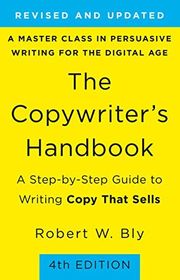
For beginners who want a broad working reference for writing clear, persuasive marketing copy. Its structured guidance supports drafting across formats, though the range means specialized channels and unusual brand voices need additional examples and practice.
What it's about
Robert Bly explains how to plan and write marketing copy through audience research, headlines, benefits, offers, and editing. Examples across advertising and business communication connect general principles with the practical task of producing messages that prompt a response.

The Boron Letters
For readers who enjoy informal mentorship mixed with direct-mail marketing lessons. The personal letters make the author’s thinking memorable, though life advice and dated assumptions share space with the copywriting and require selective reading.
What it's about
In letters to his son Bond, copywriter Gary Halbert combines direct-mail marketing advice with reflections on health, discipline, relationships, and making a living. Personal experience provides the foundation for lessons about selling and navigating everyday life.
Also recommended by
2 people- Neville Medhora recommended this book
Neville Medhora
"I stayed up till 6am every night going through these letters." - Neville Medhora
Neville Medhora's recommendation of this book - Noah Kagan recommended this book
Noah Kagan
Noah Kagan recommended this book in the "Tools of Titans" book.
Noah Kagan's recommendation of this book

For marketers who write regularly but want a clearer process for planning, drafting, and editing. Its approachable guidance applies across everyday content, though it covers broader business writing rather than concentrating exclusively on sales response.
What it's about
Ann Handley presents a practical guide to writing content for businesses and their audiences. She discusses developing ideas, organizing drafts, revising sentences, and approaching common marketing formats, emphasizing clarity and attention to the reader throughout the writing process.

For writers interested in creative advertising concepts as well as persuasive sentences. Its conversational approach connects ideas with campaigns and agency work, though readers seeking a systematic direct response framework will need a more narrowly focused companion.
What it's about
Luke Sullivan explains creating advertising across traditional, digital, and social media. The guide follows creative work from entering the industry to developing campaigns, with discussions of brand stories, audience experiences, simplicity, authenticity, and the role of conflict.

For business owners or writers who want a step by step structure for a sales letter. Its exercises help turn an offer into a complete message, though the assertive direct response style may need substantial adjustment for other audiences.
What it's about
Dan Kennedy explains how to plan and write sales letters intended to attract customers and encourage a response. His guide presents a step-by-step method with examples, headline formulas, exercises, and advice on using graphics in sales copy.
Great Leads
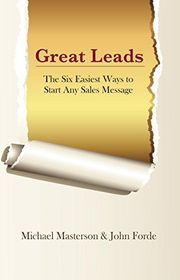
For writers who understand an offer but struggle to choose the opening angle. Its focused framework connects a lead with the reader’s awareness, though the direct response emphasis is narrower than a general guide to brand or content writing.
What it's about
Michael Masterson and John Forde examine six approaches to opening a sales message. They connect each type of lead with audience awareness and the relationship between reader and offer, using examples to explain how an opening establishes interest.

For writers who want website language connected with visitor questions and purchasing decisions. Its conversion focus makes copy part of a larger user journey, though the older web context limits its value for current interface and platform details.
What it's about
Bryan Eisenberg, Jeffrey Eisenberg, and Lisa Davis explain how website copy can address customers' needs and encourage action. Their guide connects persuasive language with online conversion, focusing on the role words play in helping visitors make purchasing decisions.
Sources
- 1
Best Copywriting Books: 20 Titles to Help Anyone Become a Better Writer
impactplus.com
- 2
17 Inspiring & Educational Books Every Copywriter Needs to Read
blog.hubspot.com
- 3
The Most Definitive Copywriting Books of All Time - Stephan Spencer
stephanspencer.com
- 4
Best Books to Read on Copywriting — Copy That!
copythatshow.com
- 5
100 Best Copywriting Books of All Time (Updated for 2026)
shortform.com
- 6
Copywriting Books
goodreads.com
- 7
what are some good books you guys would recommend to copywriter : r/copywriting
reddit.com
- 8
If you could choose just one book? : r/copywriting
reddit.com
- 9
The Top 10 Best Copywriting Books Every Writer Should Read (2021) | ActiveCampaign
activecampaign.com


Edited by
Software engineer whose passion for tracking book recommendations from podcasts inspired the creation of MRB.
Lead investor at 3one4 Capital whose startup expertise and love for books helped shape MRB and its growth.
Comments
Spotted a missing book, a wrong order or a mistake? Tell us and we'll fix this page.
We're a reading guide, not the author or publisher, so we can't send books or pass on messages.