
17 Best Advertising Books
The best advertising books, ranked by how many expert sources recommend each one, with notes for choosing creative, strategy, copywriting, and client-service guides.
Our take
Advertising brings research, strategy, writing, design, and client relationships together to persuade an audience. These books focus on different parts of that work. Some teach how to develop a creative idea, others explain positioning or measurable response, and a few look at the wider business of running an agency. The right starting point depends on the task in front of you.
Ogilvy on Advertising offers a broad introduction through campaigns and professional judgment. Hey, Whipple, Squeeze This and The Advertising Concept Book concentrate on creative development, while Truth, Lies & Advertising connects consumer research with the brief. For response-driven writing, Scientific Advertising leads naturally to Tested Advertising Methods. Positioning asks where a brand belongs in people's minds; How Brands Grow takes a wider view of buying patterns. The Art of Client Service addresses the relationships that keep agency work moving. Start with Ogilvy for orientation, then choose the book that matches your role or next assignment.
17 books · 10 sources · Last updated
As an Amazon Associate, we earn from qualifying purchases (at no extra cost to you).
How to choose from this list
Skip to the full rankingIf you want a broad introduction: Ogilvy on Advertising
If you want to develop creative ideas: Hey, Whipple, Squeeze This → The Advertising Concept Book
If you want to connect research with campaigns: Truth, Lies & Advertising
If you want to write response-driven ads: Scientific Advertising → Tested Advertising Methods → Breakthrough Advertising
If you want to question brand strategy: Positioning → How Brands Grow
If you manage client relationships: The Art of Client Service
The 17 books, ranked
Ranked by how many expert sources name each book. Ties go to the book more people recommend.

Ogilvy on Advertising
For beginners who want advertising principles grounded in recognizable campaigns. Ogilvy connects research, persuasive copy, and agency judgment, though the examples come from an earlier media environment and need translation into present-day practice.
What it's about
David Ogilvy explains his approach to advertising through campaign examples and lessons from his career. He discusses research, copywriting, creative execution, and agency work, outlining principles for communicating with consumers and evaluating the effectiveness of advertisements.
Also recommended by
3 people Neville Medhora recommended this book
Neville Medhora
"Written directly by the guy who started the famed Ogilvy and Mather advertising firm in New York (which “Mad Men” is based off of)." - Neville Medhora
Neville Medhora's recommendation of this book  Noah Kagan recommended this book
Noah Kagan
Noah Kagan recommended this book in the "Tools of Titans" book.
Noah Kagan's recommendation of this book  Ev Williams recommended this book
Ev Williams
On the "books read" section of Ev Williams' GoodReads profile.
Ev Williams's recommendation of this book

Scientific Advertising
For advertisers who want response and testing to guide creative decisions. Hopkins gives measurement a clear practical purpose, though the old print and mail-order examples need adaptation and immediate response is only one advertising objective.
What it's about
Claude Hopkins presents advertising as a measurable form of salesmanship. He explains testing, tracking responses, comparing headlines and offers, and learning from results, outlining an approach to developing campaigns through evidence rather than relying solely on intuition.
Also recommended by
1 person Patrick O'Shaughnessy recommended this book
Patrick O'Shaughnessy
"It is like a list of first principles for effective communication of ideas." - Patrick O'Shaughnessy
Patrick O'Shaughnessy's recommendation of this book

For aspiring creatives who want a guide to developing ideas and surviving agency work. Sullivan makes the creative process approachable and candid, though the anecdotes and industry advice are most useful to people pursuing advertising careers.
What it's about
Luke Sullivan explains creating advertising across traditional, digital, and social media. The guide follows creative work from entering the industry to developing campaigns, with discussions of brand stories, audience experiences, simplicity, authenticity, and the role of conflict.

For advertisers struggling to explain where a brand fits among competitors. The focus on existing perceptions clarifies strategic choices before copywriting begins, though the memorable examples and broad rules sometimes simplify complicated markets.
What it's about
Al Ries and Jack Trout explain how brands establish a distinctive place in consumers' minds. Their approach considers existing perceptions and competing products, showing why a clear position matters in a crowded communications environment.
Also recommended by
3 people- Ev Williams recommended this book
Ev Williams
On the "books read" section of Ev Williams' GoodReads profile.
Ev Williams's recommendation of this book - Patrick O'Shaughnessy recommended this book
Patrick O'Shaughnessy
"A really great book about communication." - Patrick O'Shaughnessy
Patrick O'Shaughnessy's recommendation of this book  Michael Hyatt recommended this book
Michael Hyatt
Michael Hyatt recommended this book on his website.
Michael Hyatt's recommendation of this book

For account managers and creatives responsible for maintaining client trust. Solomon concentrates on everyday professional conduct and difficult relationships, though the agency setting makes it less directly useful for readers working entirely on their own brands.
What it's about
Robert Solomon explains the practical work of serving advertising and marketing clients. He follows relationships from winning new business through building, losing, and restoring trust, offering guidance for people at different stages of agency experience.

For anyone whose message is understood briefly and then forgotten. The Heaths turn memorable communication into a usable framework, though the examples extend well beyond advertising and do not provide a complete campaign-development process.
What it's about
Chip and Dan Heath explore why some ideas remain memorable while others disappear. Through stories and research, they identify ways to make messages more understandable and compelling, examining how communication can influence what people remember.
Also recommended by
5 people Brian Armstrong recommended this book
Brian Armstrong
"How to make your message memorable so it will spread." - Brian Armstrong
Brian Armstrong's recommendation of this book - Ev Williams recommended this book
Ev Williams
On the "books read" section of Ev Williams' GoodReads profile.
Ev Williams's recommendation of this book  Andrew Wilkinson recommended this book
Andrew Wilkinson
"Our marketing bible." - Andrew Wilkinson
Andrew Wilkinson's recommendation of this book  Changpeng Zhao recommended this book
Changpeng Zhao
"Informs a lot of our public outreach in terms of making our services more essential for our users." - Changpeng Zhao
Changpeng Zhao's recommendation of this book  Sahil Lavingia recommended this book
Sahil Lavingia
Sahil Lavingia recommended this book on Notion.
Sahil Lavingia's recommendation of this book

Breakthrough Advertising
For experienced copywriters who need to match a message to the market's existing understanding. Schwartz's distinctions add strategic depth beyond wording, though the dense treatment and historical examples make it demanding as a first advertising book.
What it's about
Eugene Schwartz examines advertising through consumer desire, market awareness, and persuasive copy. His guide explains how to connect an offer with existing demand and develop messages suited to a product's audience and competitive setting.
Also recommended by
2 people Ramit Sethi recommended this book
Ramit Sethi
"One of the most sophisticated books on marketing every written." - Ramit Sethi
Ramit Sethi's recommendation of this book - Neville Medhora recommended this book
Neville Medhora
"Goes through different stages of large-scale advertising and the thought processes behind them." - Neville Medhora
Neville Medhora's recommendation of this book

For readers curious about unconscious influences on consumer choices. Lindstrom offers a lively introduction to neuromarketing questions, though the interpretations deserve scrutiny and should not be treated as a reliable formula for predicting purchases.
What it's about
Martin Lindstrom investigates the largely unconscious influences behind consumer choices, drawing on neuromarketing research and examples from advertising. He examines how brands, messages, and associations affect purchasing behavior, questioning common explanations of why people choose particular products.
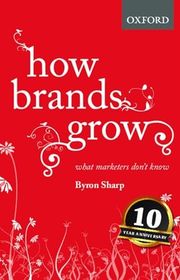
How Brands Grow
For brand marketers who want customer behavior and growth patterns to inform advertising decisions. Sharp challenges familiar assumptions through research, though it is a strategic argument rather than a guide to writing or producing individual ads.
What it's about
Byron Sharp examines patterns in how people buy and how brands grow, challenging familiar marketing assumptions. The book discusses customer acquisition, loyalty, recognition, and availability, using research to connect brand management decisions with observed purchasing behavior.
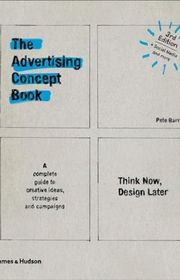
The Advertising Concept Book: Think Now, Design Later
For beginning creatives who need to generate stronger concepts before polishing execution. Barry's visual, exercise-oriented approach makes idea development concrete, though the value depends on doing the creative work rather than simply reading the examples.
What it's about
Pete Barry introduces the development of advertising ideas, from understanding a brief to shaping a concept into a campaign. Visual examples and practical exercises connect strategy, headlines, images, and different media with the decisions behind creative work.

Confessions of an Advertising Man
For readers who want advertising advice through the perspective of an agency founder. Ogilvy's personal judgments make agency leadership and client work vivid, though the historical workplace assumptions and anecdotes require a critical modern reading.
What it's about
David Ogilvy draws on his advertising career to explain how he built an agency and approached clients, campaigns, and creative work. His reflections combine personal experiences with principles concerning research, management, professional standards, and persuasive communication.
Also recommended by
1 person Rory Sutherland recommended this book
Rory Sutherland
"Love it. His best book." - Rory Sutherland
Rory Sutherland's recommendation of this book

For marketers who want to understand why people share some messages and products. Berger connects research with recognizable examples, though the principles help shape possibilities rather than reliably predict which campaign will spread widely.
What it's about
Jonah Berger investigates why certain products, ideas, and stories spread through word of mouth. Research and examples explain how social motives, emotions, everyday reminders, and other factors influence what people share and what others choose to pass along.
Also recommended by
1 person- Changpeng Zhao recommended this book
Changpeng Zhao
"A must-read for all product designers and marketers, and a lot of people in our team have taken the lessons in this book to heart." - Changpeng Zhao
Changpeng Zhao's recommendation of this book

The Adweek Copywriting Handbook
For writers who want a practical route from preparation to a finished advertisement. Sugarman connects readable copy with persuasive structure and revision, though the emphasis on sales-oriented writing gives less attention to broader brand strategy.
What it's about
Joseph Sugarman guides readers through preparing, writing, and refining advertising and marketing copy. Discussions of sentence structure, presentation, comprehension, and psychological triggers accompany examples across formats, offering a practical account of how persuasive messages are developed.

Truth, Lies & Advertising
For planners who want consumer research to improve creative briefs. Steel connects people's experiences with campaign decisions through agency examples, though the case-based approach offers less of a standardized research procedure than some beginners may expect.
What it's about
Jon Steel explains account planning as a partnership among consumers, clients, and creative teams. Campaign examples illustrate approaches to consumer research and developing briefs that translate people's experiences into ideas for advertising.

For readers who need a clearer brand position before developing advertisements. Neumeier's compact questions make differentiation easier to discuss, though the compressed format gives less space to testing whether a proposed distinction matters to customers.
What it's about
Marty Neumeier argues that brands need radical differentiation to stand out in crowded markets. His compact guide presents a sequence of questions and exercises for identifying a distinctive position, expressing it clearly, and managing the brand as competition changes.

Rework
For agency owners or independent creatives questioning familiar business habits. Its short, provocative lessons encourage practical decisions with fewer resources, though it addresses running a business more directly than making or evaluating advertisements.
What it's about
Jason Fried and David Heinemeier Hansson challenge familiar assumptions about starting and running a business. Brief lessons question elaborate planning, outside funding, excessive meetings, and overwork while emphasizing practical action, productivity, and doing more with fewer resources.
Also recommended by
8 people Mark Cuban recommended this book
Mark Cuban
"If given a choice between investing in someone who has read Rework or has an MBA, I'm investing in Rework every time." - Mark Cuban
Mark Cuban's recommendation of this book  Jeff Bezos recommended this book
Jeff Bezos
"Unperturbed by conventional wisdom, [the authors] start fresh and rewrite the rules of business." - Jeff Bezos
Jeff Bezos's recommendation of this book  Seth Godin recommended this book
Seth Godin
"I can't imagine what possible excuse you can dream up for not buying this book for every single person you work with, right now." - Seth Godin
Seth Godin's recommendation of this book  Tim Ferriss recommended this book
Tim Ferriss
"I encourage people to think of as an 'Elements of Style' for building profitable businesses in a web-savvy world." - Tim Ferriss
Tim Ferriss's recommendation of this book  Tom Peters recommended this book
Tom Peters
"The clarity, even genius, of this book actually brought me to near-tears on several occasions. Just bloody brilliant, that's what!" - Tom Peters
Tom Peters's recommendation of this book  Tony Hsieh recommended this book
Tony Hsieh
"Read this book multiple times to help give you the courage you need to get out there and make something great." - Tony Hsieh
Tony Hsieh's recommendation of this book +2
More recommendations
- Andrew Wilkinson
"[One of] my most recommended business books." - Andrew Wilkinson
- Shane Parrish
"This book showed me that I wasn’t alone or crazy." - Shane Parrish
- Andrew Wilkinson

Tested Advertising Methods
For copywriters who want specific guidance on headlines and measurable response. Caples connects writing choices with tested outcomes, though the direct-response emphasis and older advertising formats need adaptation to other campaign goals and channels.
What it's about
John Caples explains advertising through approaches tested against audience response, covering headlines, appeals, offers, graphics, and layouts. This fifth edition, revised with Fred Hahn, combines examples with practical testing methods for comparing ads and assessing their effectiveness.
Sources
- 1
100 Best Advertising Books of All Time (Updated for 2026)
shortform.com
- 2
The Best 22 Advertising Books - Blinkist
blinkist.com
- 3
Best Advertising Books: The Ones Actually Worth Buying
filipkonecny.com
- 4
Top 49 Advertising Books 2026: Learn From the Best
mayple.com
- 5
20 Must Read Marketing and Advertising Books
rosssimmonds.com
- 6
14 Best Advertising Books To Read
teambuilding.com
- 7
Advertising Books
goodreads.com
- 8
What are your must read books on advertising? 👀 : r/advertising
reddit.com
- 9
Looking for books on Advertising or anything similar. : r/advertising
reddit.com
- 10
The Best Books on The Future of Advertising - Five Books Expert Recommendations
fivebooks.com




Edited by
Software engineer whose passion for tracking book recommendations from podcasts inspired the creation of MRB.
Lead investor at 3one4 Capital whose startup expertise and love for books helped shape MRB and its growth.
Comments
Did we miss something? Have feedback?
Help us improve this page by sharing your thoughts