
15 Best Language Books
The best language books, ranked by expert source recommendation counts, with notes for self-directed learners, teachers, and readers curious about linguistics.
Our take
Books about language can answer two quite different questions: how can I learn one, and how does language itself work? The learning guides here discuss practice, memory, confidence, and building a routine. The broader books examine grammar, social attitudes, historical change, and the relationship between language and thought. Neither kind replaces material in the language you want to study.
Fluent Forever offers a structured approach to pronunciation and vocabulary, while Fluent in 3 Months encourages learners to begin speaking earlier. How Languages are Learned gives teachers and reflective learners a research perspective. For a change of focus, Language Myths challenges popular assumptions, Words and Rules investigates grammar and the mind, and The Unfolding of Language explores change over time. Because Internet brings the discussion into messages and online communities.
Start with a practical method if you need a study routine, or choose a wider linguistic question if your aim is to understand what languages reveal about people.
15 books · 5 sources · Last updated
As an Amazon Associate, we earn from qualifying purchases (at no extra cost to you).
How to choose from this list
Skip to the full rankingIf you want a structured learning method: Fluent Forever
If you're hesitant to start speaking: Fluent in 3 Months
If you teach languages: How Languages are Learned
If you want to question common assumptions: Language Myths → Through the Language Glass
If you're curious about grammar and change: Words and Rules → The Unfolding of Language
If you want to understand online communication: Because Internet
The 15 books, ranked
Ranked by how many expert sources name each book. Ties go to the book more people recommend.
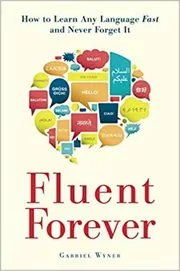
For independent learners who want a structured system for pronunciation and vocabulary review. Its personalized flashcard approach makes memory practice concrete, though preparing materials takes effort and recall alone cannot replace conversation or sustained exposure.
What it's about
Gabriel Wyner presents a language-learning method that begins with pronunciation and builds vocabulary through memorable associations. He explains how personalized flashcards, spaced repetition, and practice with language resources can support learning and long-term recall.
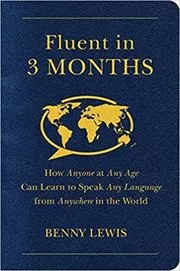
Fluent in 3 Months
How Anyone at Any Age Can Learn to Speak Any Language from Anywhere in the World
For learners whose main obstacle is reluctance to start speaking. Its emphasis on using the language early can make practice less intimidating, though the title’s timeline is a motivational framework rather than a dependable promise of fluency.
What it's about
Benny Lewis advocates speaking a new language from the beginning rather than waiting for mastery of grammar. His guide challenges common learning assumptions and suggests practical uses of phrases, observation, and body language, including ways to pursue immersion without traveling abroad.
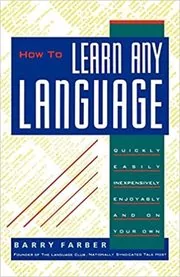
How To Learn Any Language
For self-directed learners who enjoy practical suggestions grounded in extensive personal experience. Its flexible approach encourages using several resources together, though older tools and anecdotes need translating into a contemporary routine suited to your chosen language.
What it's about
Barry Farber draws on decades of language learning to explain his approach to independent study. Personal experiences and practical suggestions address using learning materials, practicing pronunciation, building vocabulary, and finding opportunities to use a new language.
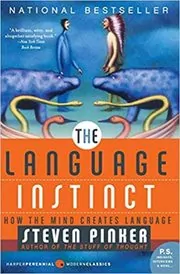
For readers who want an engaging argument about language as a human mental capacity. Its broad examples connect grammar with cognition, though it advances a particular theoretical position and should be read alongside competing and more recent research.
What it's about
Steven Pinker argues that language is an evolved human capacity rather than simply a cultural invention. Exploring grammar, childhood learning, and the brain, he uses everyday speech and linguistic research to explain how language works.
Also recommended by
1 person Charlie Munger recommended this book
Charlie Munger
"Says that human language ability is not just learned, it is deeply buried - to a considerable extent - in the genome." - Charlie Munger
Charlie Munger's recommendation of this book
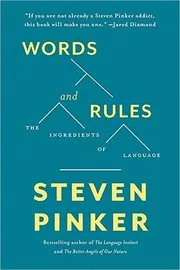
For readers curious about how vocabulary and grammatical patterns interact in the mind. Its close study of verbs makes an abstract debate tangible, though the detailed argument offers little direct help with everyday language study.
What it's about
Regular and irregular verbs provide Steven Pinker's starting point for investigating language and the mind. He explores how remembered words interact with grammatical rules, linking children's speech, linguistic history, computer models, and research on the brain.
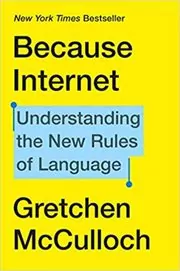
For readers curious about why messages, punctuation, and online humor carry meanings that formal grammar misses. Its everyday examples make linguistic analysis accessible, though rapidly changing platforms and its largely English language focus limit how universally the details apply.
What it's about
Linguist Gretchen McCulloch explores how online communication changes language, from punctuation and emoji to memes and shifting slang. She examines the patterns behind seemingly chaotic internet speech and how platforms and generations shape people's writing.
Also recommended by
1 person Daniel Pink recommended this book
Daniel Pink
Most Recommended Books reached out to Daniel Pink directly.
Daniel Pink's recommendation of this book
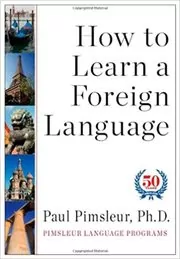
How to Learn a Foreign Language
For learners who want a clear explanation of practice, recall, listening, and pronunciation. Its focus on learning habits makes it broadly applicable, though it provides principles rather than a complete course in any particular language.
What it's about
Paul Pimsleur explains his approach to learning a foreign language, emphasizing how people practice rather than simply what they study. He discusses confidence, speaking and listening, pronunciation, vocabulary, and grammar as connected parts of language learning.
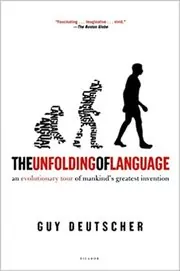
For readers who want to understand how everyday speech can produce complex linguistic structures over time. Its examples give language change a clear narrative, though reconstructed historical processes involve interpretation and are less concrete than learning a modern language.
What it's about
Guy Deutscher investigates how language develops complex grammar, vocabulary, and meaning through gradual change. Examples from ancient and modern languages connect pronunciation, metaphor, and linguistic patterns with the processes that transform ordinary speech into increasingly elaborate systems of expression.
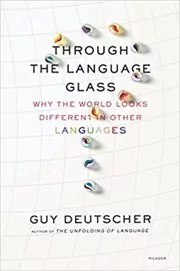
For readers curious about whether the language they speak influences how they experience the world. Its historical examples make the debate approachable, though the selected cases support a nuanced argument rather than simple claims that language determines thought.
What it's about
Guy Deutscher explores the relationships between language, culture, and thought, asking whether a mother tongue influences how its speakers perceive the world. Cultural history and linguistic research inform his examination of the differences between languages and their effects on understanding.
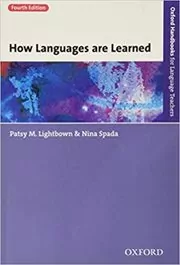
How Languages are Learned
For teachers and serious learners who want research on language acquisition connected to classroom choices. Its explanations and activities support reflective practice, though the educational focus and terminology require more attention than an informal learning guide.
What it's about
Patsy Lightbown and Nina Spada connect research on first and second language acquisition with classroom teaching. Activities and reflection questions examine individual differences, competing explanations of learning, and the practical implications of language education research.
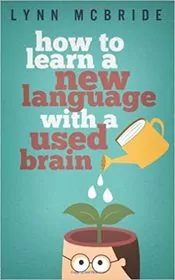
How to Learn a New Language with a Used Brain
For adult beginners or returning learners who want a manageable way to organize study. Its personal experience makes the challenges relatable, though the French learning perspective and informal advice need adapting to other languages and circumstances.
What it's about
Lynn McBride presents a practical program for adults beginning or returning to language study. Drawing on her experience learning French, she discusses choosing resources, organizing practice, finding immersion opportunities, and making learning enjoyable and sustainable.
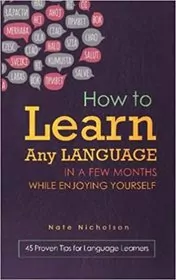
How to Learn Any Language in a Few Months While Enjoying Yourself
45 Proven Tips for Language Learners
For independent learners who want short suggestions they can test within an existing routine. Its range makes selective reading easy, though a collection of tips provides less structure than a sustained course and cannot guarantee the title’s timeframe.
What it's about
Nate Nicholson offers forty-five tips for making independent language learning more enjoyable and practical. Topics include finding conversation partners, improving listening through films, getting feedback on writing, fitting practice into daily life, and overcoming discouragement.
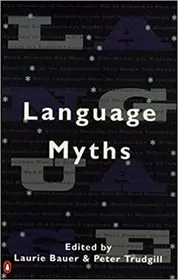
Language Myths
For readers who want to question familiar claims about accents, correctness, and language decline. Its separate essays make linguistic arguments accessible, though it addresses beliefs about language rather than providing a practical study plan.
What it's about
Edited by Laurie Bauer and Peter Trudgill, this essay collection asks linguists to examine popular beliefs about language. Topics include claims that media, Americans, or declining children's skills are damaging English, alongside broader assumptions about accents and language differences.
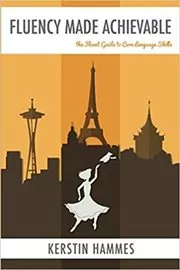
For learners who want to balance listening, speaking, reading, and writing in a realistic routine. Its exercises and planner support reflection on weak areas, though it works best alongside language specific materials and regular feedback.
What it's about
Kerstin Hammes organizes independent language study around listening, reading, speaking, and writing. Exercises, interviews with language learners, and a three-week study planner help readers assess their abilities and develop a more balanced practice routine.
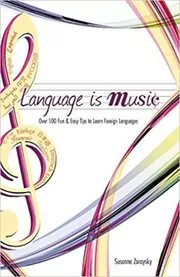
For learners motivated by sound, music, and cultural activities rather than textbook study alone. Its listening focus offers varied ways to sustain interest, though enjoyable exposure needs to be combined with active practice and feedback.
What it's about
Susanna Zaraysky offers tips for learning languages through music, television, conversation, and cultural activities. Her listening-focused approach shows how learners can integrate practice into everyday life and create opportunities for immersion using affordable resources.
Sources
- 1
The 10 Best Language Learning Books [2025 Edition] | FluentU
fluentu.com
- 2
100 Best Language Books of All Time (Updated for 2026)
shortform.com
- 3
Language Books
goodreads.com
- 4
Best Language Learning Books We Actually Finished | Yak Yacker
yakyacker.com
- 5
5 of the Best Language Learning Books Available
magneticmemorymethod.com
Edited by
Software engineer whose passion for tracking book recommendations from podcasts inspired the creation of MRB.
Lead investor at 3one4 Capital whose startup expertise and love for books helped shape MRB and its growth.
Comments
Spotted a missing book, a wrong order or a mistake? Tell us and we'll fix this page.
We're a reading guide, not the author or publisher, so we can't send books or pass on messages.