
18 Best Oliver Sacks Books
The best Oliver Sacks books, ranked by how many expert sources recommend each one, with notes for newcomers, science readers, and fans of memoir and essays.
Our take
Oliver Sacks wrote about perception, memory, language, movement, and the ways people experience themselves. His books range from clinical narratives to childhood memoir, travel writing, essays, and letters. Some stay with a particular subject, such as music or vision, while others reveal the restless curiosity behind his work as a physician and writer.
The Man Who Mistook His Wife for a Hat offers short, varied clinical tales. An Anthropologist on Mars gives individual portraits more space, while Musicophilia and The Mind's Eye provide focused routes into his interests. For the person behind the narratives, On the Move covers his adult life and Uncle Tungsten returns to childhood and chemistry. Oaxaca Journal shifts toward travel and botany, and Gratitude offers four brief reflections on mortality.
Begin with the subject or form that appeals to you, keeping the distinction between literary clinical narrative, personal reflection, and medical reference in view.
18 books · 8 sources · Last updated
As an Amazon Associate, we earn from qualifying purchases (at no extra cost to you).
Reading Oliver Sacks in order? See all Oliver Sacks books in order
How to choose from this list
Skip to the full rankingIf you want a varied first introduction: The Man Who Mistook His Wife for a Hat → An Anthropologist on Mars
If you are especially interested in music: Musicophilia
If you want vision and perception: The Mind's Eye → Hallucinations
If you want memoir and correspondence: Uncle Tungsten → On the Move → Letters
If you prefer travel and natural history: Oaxaca Journal → The Island of the Colorblind
If you want essays in shorter sittings: Gratitude → The River of Consciousness → Everything in Its Place
The 18 books, ranked
Ranked by how many expert sources name each book. Ties go to the book more people recommend.
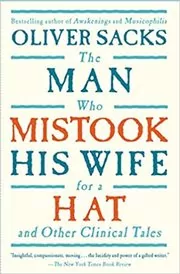
Choose this for a varied introduction through short narratives about recognition, memory, movement, and identity. Its memorable portraits are easy to sample individually, though the literary clinical-tale format is more selective and interpretive than a comprehensive neurological textbook.
What it's about
In this collection of clinical tales, Sacks follows patients whose brains alter memory, recognition, movement, and identity. Strange symptoms become deeply human stories about how people rebuild a sense of self.
Also recommended by
1 person Jordan Peterson recommended this book
Jordan Peterson
Recommended on Jordan Peterson's website.
Jordan Peterson's recommendation of this book
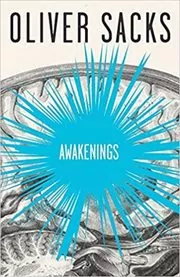
Awakenings
Choose this for a sustained clinical narrative about treatment, care, and the complicated course of patients' lives. Its concentrated institutional setting gives it depth, though the medical detail and difficult outcomes make it heavier than the shorter collections.
What it's about
At a Bronx hospital, Sacks treats survivors of encephalitis lethargica who had lived for decades in frozen states. L-DOPA brings startling awakenings, followed by complicated questions about care, memory, and return.
Also recommended by
1 person- Jordan Peterson recommended this book
Jordan Peterson
Recommended on Jordan Peterson's website.
Jordan Peterson's recommendation of this book
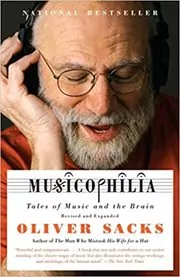
Musicophilia
Choose this if music is your easiest route into questions about perception, memory, and identity. Its themed narratives make the material approachable, though the varied episodes form an exploratory collection rather than a systematic account of musical neuroscience.
What it's about
Sacks explores how music can disturb, heal, and define the brain, from musical hallucinations to Parkinson’s patients moved by rhythm. The result is a set of human stories about why music matters so deeply.
Also recommended by
2 people Aniela Gregorek recommended this book
Aniela Gregorek
"I gained a deeper understanding of how music affects our moods and our brains." - Aniela Gregorek
Aniela Gregorek's recommendation of this book  Justin Boreta recommended this book
Justin Boreta
One of Justin Boreta's most-gifted or recommended books.
Justin Boreta's recommendation of this book
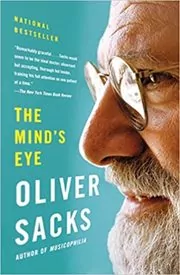
The Mind's Eye
Choose this for stories about vision, recognition, and adaptation, including Sacks's own changing sight. Its personal involvement adds another perspective to the clinical portraits, though the specialized visual questions make it narrower than his broad introductory collection.
What it's about
Sacks follows people who lose reading, speech, face recognition, depth perception, or sight, including his own experience with eye cancer. Each story asks how the mind adapts when vision changes.
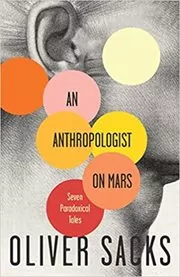
For readers who want longer portraits of people adapting to unusual ways of experiencing the world. Its extended encounters give more context than the brief clinical tales, though the interpretive, case-based approach offers limited generalization beyond individual stories.
What it's about
Seven extended case histories follow people adapting to unusual neurological conditions, including Tourette’s, autism, acquired colorblindness, and restored sight. Sacks meets them in their own worlds and asks how the brain shapes identity.
Also recommended by
1 person- Jordan Peterson recommended this book
Jordan Peterson
Recommended on Jordan Peterson's website.
Jordan Peterson's recommendation of this book
Gratitude
The shortest starting point if you want Sacks reflecting on life, work, aging, and mortality. Its four essays offer a focused personal voice, though the emphasis on dying and gratitude gives little introduction to his clinical storytelling.
What it's about
Written near the end of Sacks’s life, these four brief essays reflect on aging, illness, work, love, and mortality. The tone is calm, clear, and grateful without dodging the reality of death.
Also recommended by
1 person Patrick O'Shaughnessy recommended this book
Patrick O'Shaughnessy
"This is a 30-minute read. A collection of wonderful short essays from one of the greatest humans ever." - Patrick O'Shaughnessy
Patrick O'Shaughnessy's recommendation of this book
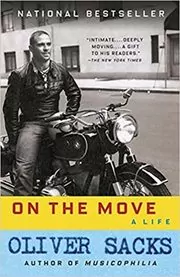
For readers who want the person behind the clinical narratives, including his work, relationships, physical pursuits, and changing sense of identity. Its breadth supplies autobiographical context, though the many episodes and retrospective selections make it less tightly focused.
What it's about
Sacks turns the case-study lens on himself, tracing motorcycles, swimming, weightlifting, love, drugs, medical training, and the patients who shaped his work. It is a restless memoir of a neurologist learning how to listen.
Also recommended by
1 person Maria Popova recommended this book
Maria Popova
"An uncommonly moving autobiography." - Maria Popova
Maria Popova's recommendation of this book
Hallucinations
For readers curious about unusual perceptions across different experiences and conditions. Its focused subject creates a clear route through Sacks's interests, though the breadth and case-based explanations should be approached as narrative exploration rather than a guide to personal diagnosis.
What it's about
Sacks looks at visions and voices that can arise from migraine, fever, sensory loss, drugs, grief, and neurological illness. He treats hallucinations not as freakish events, but as clues to how the brain makes reality.
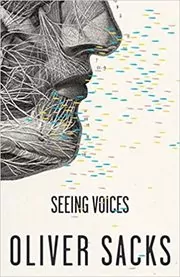
Seeing Voices
For readers interested in sign language, Deaf culture, and the relationship between language and community. Its cultural focus broadens the clinical books' perspective, though its period context and a hearing author's viewpoint need to be kept in mind.
What it's about
Sacks enters the world of Deaf culture, sign language, and the fight for recognition in a hearing society. He links language, community, and the brain through the story of a visual language.
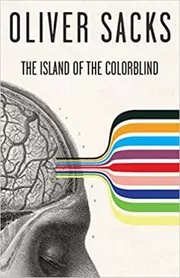
The Island of the Colorblind
Choose this for a mixture of travel writing, neurological observation, and botanical curiosity. Its island settings connect individual experience with place and community, though the visiting observer's perspective and older scientific context limit the breadth of the portrait.
What it's about
Sacks travels to Pingelap, where hereditary colorblindness shapes daily life, and to Guam, where a puzzling neurodegenerative illness has long troubled residents. Part travel writing, part medical mystery, it links islands, brains, and ecology.
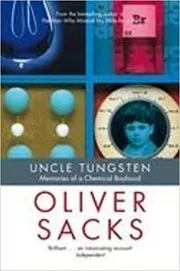
Uncle Tungsten
For readers who want childhood memoir and the pleasure of scientific curiosity rather than clinical stories. Its chemistry, family, and wartime setting reveal a different Sacks, though the detailed fascination with substances and experiments may slow nonspecialist readers.
What it's about
This memoir returns to Sacks’s wartime childhood in London, his scientific family, and the chemistry that captured him as a boy. Light bulbs, metals, and the periodic table become part of his origin story.
A Leg to Stand On
Choose this for Sacks on the patient side of an injury and recovery, examining how a body can feel unfamiliar. Its personal focus distinguishes it from the collections, though philosophical reflection and dense passages make it less immediately accessible.
What it's about
After a mountaineering accident in Norway, Sacks becomes the patient and finds his injured leg feels alien. His recovery turns into an inquiry into body image, illness, and what makes the self feel whole.
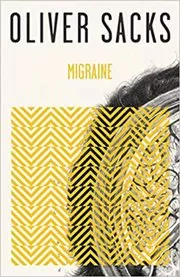
Migraine
For readers who want Sacks's focused, technical writing on a single medical subject. Its attention to varied experiences gives depth beyond a general essay collection, though the older clinical framework makes it better for historical interest than current care decisions.
What it's about
Sacks’s first book examines migraine as more than a headache, tracing aura, visual distortion, triggers, and personal experience. It blends clinical detail with a wider question: what can migraine reveal about the brain?

Oaxaca Journal
For readers who want a lighter, travel-centered encounter with Sacks and his curiosity about the natural world. Its compact journal form invites browsing, though botany and cultural observation take priority over the clinical narratives he is best known for.
What it's about
A fern-hunting trip to Oaxaca opens into a lively travel journal about plants, ruins, food, local history, and fellow enthusiasts. Sacks lets botany lead him into a warmer, looser kind of observation.
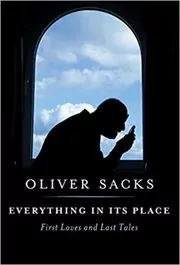
For readers already drawn to Sacks's voice who want essays ranging from private enthusiasms to clinical encounters. Its breadth gives a rounded sense of his interests, though the assorted, posthumously collected pieces provide less structure than a focused book.
What it's about
A final essay collection gathers Sacks’s pieces on ferns, swimming, libraries, mental hospitals, dementia, schizophrenia, and the pleasures of ordinary attention. It feels like a wide-angle view of the interests that fed his work.

Letters
Choose this after On the Move if you want a more immediate view of Sacks's relationships, reading, and work across decades. The correspondence adds texture to the memoir, though editorial selection and changing recipients make the narrative less continuous.
What it's about
Edited by Kate Edgar, this collection follows Sacks through six decades of letters to family, friends, patients, scientists, and artists. It reveals his private curiosity, doubts, work habits, and love of conversation.

Oliver Sacks
For readers who prefer conversations to a continuous memoir or a clinical collection. Its interview format offers several direct ways into Sacks's concerns, though repeated topics and questions selected by interviewers create a different shape from his own essays.
What it's about
This interview collection presents Sacks in conversation across his career, including his final interview. The format lets him speak plainly about patients, writing, the brain, illness, and the curiosity that drove his work.
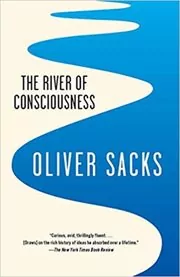
The River of Consciousness
Choose this for Sacks thinking across science, creativity, memory, and the history of ideas. Its varied essays show the range behind his clinical writing, though readers seeking one continuous argument or a single focused subject may find the collection diffuse.
What it's about
This posthumous essay collection ranges from Darwin and Freud to memory, creativity, evolution, and consciousness. Sacks moves beyond clinical neurology while keeping the same curiosity about how life thinks, changes, and perceives.
Sources
- 1
Books Archive
oliversacks.com
- 2
An Oliver Sacks Gift Selection
oliversacks.com
- 3
Ranking Author Oliver Sacks’s Best Books (A Bibliography Countdown)
bookscrolling.com
- 4
10 Best Oliver Sacks Books (2025)
ereads.com
- 5
Oliver Sacks Books
goodreads.com
- 6
Favorite (“best”) book by Oliver Sacks? How would you summarize each?
reddit.com
- 7
A book by Oliver Sacks
reddit.com
- 8
Oliver Sacks
panmacmillan.com



Edited by
Software engineer whose passion for tracking book recommendations from podcasts inspired the creation of MRB.
Lead investor at 3one4 Capital whose startup expertise and love for books helped shape MRB and its growth.
Comments
Did we miss something? Have feedback?
Help us improve this page by sharing your thoughts