
Oliver Sacks Books in Order
This page lists Oliver Sacks books in order, with short summaries, publication notes, reading-order tips, and help choosing where to start.
Last updated:
As an Amazon Associate, we earn from qualifying purchases (at no extra cost to you).
Oliver Sacks books in publication order
21 books
Migraine
by Oliver Sacks
1970
Sacks’s first book examines migraine as more than a headache, tracing aura, visual distortion, triggers, and personal experience. It blends clinical detail with a wider question: what can migraine reveal about the brain?
Awakenings
by Oliver Sacks
1973
At a Bronx hospital, Sacks treats survivors of encephalitis lethargica who had lived for decades in frozen states. L-DOPA brings startling awakenings, followed by complicated questions about care, memory, and return.
Recommended by
1 person Jordan Peterson recommended this book
Jordan Peterson
Recommended on Jordan Peterson's website.
Jordan Peterson's recommendation of this book
A Leg to Stand On
by Oliver Sacks
1984
After a mountaineering accident in Norway, Sacks becomes the patient and finds his injured leg feels alien. His recovery turns into an inquiry into body image, illness, and what makes the self feel whole.
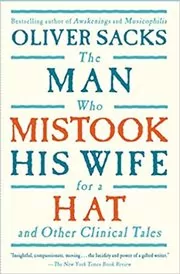
The Man Who Mistook His Wife for a Hat
by Oliver Sacks
1985
In this collection of clinical tales, Sacks follows patients whose brains alter memory, recognition, movement, and identity. Strange symptoms become deeply human stories about how people rebuild a sense of self.
Recommended by
1 person- Jordan Peterson recommended this book
Jordan Peterson
Recommended on Jordan Peterson's website.
Jordan Peterson's recommendation of this book
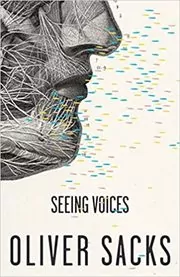
Seeing Voices
by Oliver Sacks
1989
Sacks enters the world of Deaf culture, sign language, and the fight for recognition in a hearing society. He links language, community, and the brain through the story of a visual language.
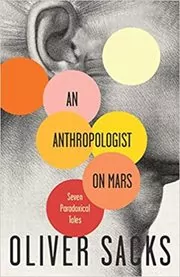
An Anthropologist on Mars
by Oliver Sacks
1995
Seven extended case histories follow people adapting to unusual neurological conditions, including Tourette’s, autism, acquired colorblindness, and restored sight. Sacks meets them in their own worlds and asks how the brain shapes identity.
Recommended by
1 person- Jordan Peterson recommended this book
Jordan Peterson
Recommended on Jordan Peterson's website.
Jordan Peterson's recommendation of this book
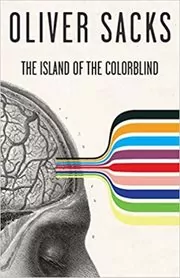
The Island of the Colorblind
by Oliver Sacks
1996
Sacks travels to Pingelap, where hereditary colorblindness shapes daily life, and to Guam, where a puzzling neurodegenerative illness has long troubled residents. Part travel writing, part medical mystery, it links islands, brains, and ecology.
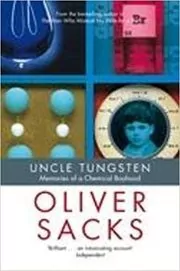
Uncle Tungsten
by Oliver Sacks
2001
This memoir returns to Sacks’s wartime childhood in London, his scientific family, and the chemistry that captured him as a boy. Light bulbs, metals, and the periodic table become part of his origin story.

Oaxaca Journal
by Oliver Sacks
2002
A fern-hunting trip to Oaxaca opens into a lively travel journal about plants, ruins, food, local history, and fellow enthusiasts. Sacks lets botany lead him into a warmer, looser kind of observation.

The Best American Science Writing 2003
by Oliver Sacks
2003
Guest-edited by Sacks with series editor Jesse Cohen, this anthology gathers notable science essays from magazines and newspapers. The selections favor clear storytelling about medicine, biology, physics, and the human side of research.
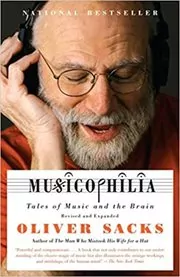
Musicophilia
by Oliver Sacks
2007
Sacks explores how music can disturb, heal, and define the brain, from musical hallucinations to Parkinson’s patients moved by rhythm. The result is a set of human stories about why music matters so deeply.
Recommended by
2 people Aniela Gregorek recommended this book
Aniela Gregorek
"I gained a deeper understanding of how music affects our moods and our brains." - Aniela Gregorek
Aniela Gregorek's recommendation of this book  Justin Boreta recommended this book
Justin Boreta
One of Justin Boreta's most-gifted or recommended books.
Justin Boreta's recommendation of this book

Asylum
by Oliver Sacks
2009
With Christopher Payne’s photographs at its center, Asylum revisits America’s abandoned state mental hospitals and the ideals behind them. Sacks’s introductory essay weighs their refuge, neglect, and complicated place in psychiatric history.
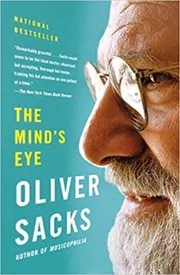
The Mind's Eye
by Oliver Sacks
2010
Sacks follows people who lose reading, speech, face recognition, depth perception, or sight, including his own experience with eye cancer. Each story asks how the mind adapts when vision changes.
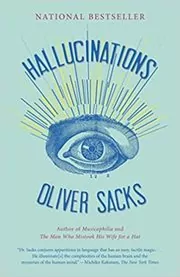
Hallucinations
by Oliver Sacks
2012
Sacks looks at visions and voices that can arise from migraine, fever, sensory loss, drugs, grief, and neurological illness. He treats hallucinations not as freakish events, but as clues to how the brain makes reality.
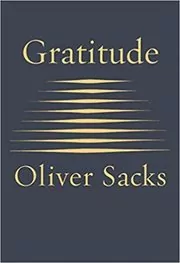
Gratitude
by Oliver Sacks
2015
Written near the end of Sacks’s life, these four brief essays reflect on aging, illness, work, love, and mortality. The tone is calm, clear, and grateful without dodging the reality of death.
Recommended by
1 person Patrick O'Shaughnessy recommended this book
Patrick O'Shaughnessy
"This is a 30-minute read. A collection of wonderful short essays from one of the greatest humans ever." - Patrick O'Shaughnessy
Patrick O'Shaughnessy's recommendation of this book
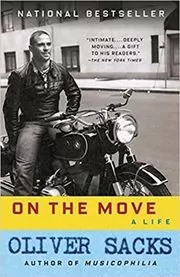
On the Move
by Oliver Sacks
2015
Sacks turns the case-study lens on himself, tracing motorcycles, swimming, weightlifting, love, drugs, medical training, and the patients who shaped his work. It is a restless memoir of a neurologist learning how to listen.
Recommended by
1 person Maria Popova recommended this book
Maria Popova
"An uncommonly moving autobiography." - Maria Popova
Maria Popova's recommendation of this book

Oliver Sacks
by Oliver Sacks
2016
This interview collection presents Sacks in conversation across his career, including his final interview. The format lets him speak plainly about patients, writing, the brain, illness, and the curiosity that drove his work.
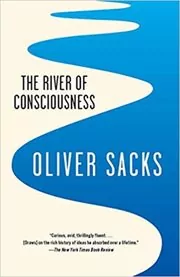
The River of Consciousness
by Oliver Sacks
2017
This posthumous essay collection ranges from Darwin and Freud to memory, creativity, evolution, and consciousness. Sacks moves beyond clinical neurology while keeping the same curiosity about how life thinks, changes, and perceives.
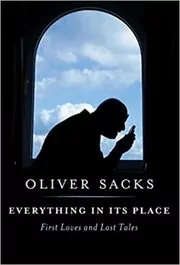
Everything in Its Place
by Oliver Sacks
2019
A final essay collection gathers Sacks’s pieces on ferns, swimming, libraries, mental hospitals, dementia, schizophrenia, and the pleasures of ordinary attention. It feels like a wide-angle view of the interests that fed his work.
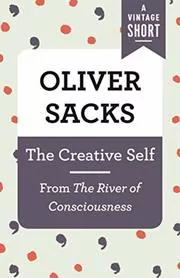
The Creative Self
by Oliver Sacks
2019
This short selection from The River of Consciousness focuses on creativity, imitation, influence, and incubation. Using compact case studies, Sacks asks how original work grows from practice, memory, and the minds around us.

Letters
by Oliver Sacks
2024
Edited by Kate Edgar, this collection follows Sacks through six decades of letters to family, friends, patients, scientists, and artists. It reveals his private curiosity, doubts, work habits, and love of conversation.
Where to start with Oliver Sacks
If you're new to his case histories: The Man Who Mistook His Wife for a Hat → An Anthropologist on Mars → Musicophilia.
If you want the famous medical story: Awakenings → A Leg to Stand On → The Mind's Eye.
If you prefer memoir and personal essays: Uncle Tungsten → On the Move → Gratitude → Letters.
If you like broad science and curiosity: The Island of the Colorblind → Oaxaca Journal → The River of Consciousness → Everything in Its Place.
Oliver Sacks collections, short stories, and related book types
Non-Fiction
Memoirs
Best American Science Writing
The Last Interview
Author bio
Oliver Sacks was born in London in 1933, the youngest of four children in a large Jewish medical family. He grew up around Cricklewood and northwest London, with a general-practitioner father, Samuel, and a surgeon mother, Muriel. In that household, science was not an abstract subject. It was dinner-table talk, family work, and sometimes a little overwhelming.
World War II split his childhood in two. Sacks and his brother Michael were sent away to boarding school in the Midlands to escape the bombing of London, an experience he later remembered as harsh and lonely. Back home, chemistry became a refuge. His Uncle Dave, the Uncle Tungsten of his memoir, helped turn metals, light bulbs, and the periodic table into a private kingdom.
Medicine was almost the family trade, but Sacks came to it in his own restless way. He studied at The Queen’s College, Oxford, earned his medical degree, and then left Britain for North America. After training in San Francisco and Los Angeles, he moved to New York in 1965 and made the city his working home.
The turning point came in the Bronx. At Beth Abraham Hospital, Sacks met patients who had survived encephalitis lethargica, the sleeping sickness epidemic of the early twentieth century, and had spent decades in frozen, almost unreachable states. His treatment of them with L-DOPA became the basis for Awakenings, the book that first brought his medical storytelling to a wide public.
The ward changed him.
Sacks’s great subject was never just disease. It was how people keep being themselves when the brain changes the rules. In The Man Who Mistook His Wife for a Hat, he wrote short, humane case histories about memory, recognition, tics, and identity. In An Anthropologist on Mars, he followed people with Tourette’s, autism, acquired colorblindness, and restored sight, often meeting them outside the clinic, in the places where they actually lived.
Readers tend to come to Sacks for the strangeness and stay for the care. Musicophilia explores how music can haunt, heal, disturb, and organize the brain. The Mind’s Eye looks at vision, blindness, reading, and adaptation, including Sacks’s own experience with eye cancer. Uncle Tungsten and On the Move show the man behind the case histories: a swimmer, motorcyclist, lifter of weights, keeper of journals, lover of ferns, and lifelong collector of odd facts.
He never stopped wandering.
His later books widened the frame to islands, Deaf culture, hallucinations, gardens, memory, creativity, and gratitude. Sacks died in New York City on August 30, 2015, a few months after writing publicly about his terminal cancer. His work remains useful because it asks a simple question again and again: what is it like to live in this particular mind, this particular body, this particular world?








Edited by
Software engineer whose passion for tracking book recommendations from podcasts inspired the creation of MRB.
Lead investor at 3one4 Capital whose startup expertise and love for books helped shape MRB and its growth.
Comments
Did we miss something? Have feedback?
Help us improve this page by sharing your thoughts