
16 Best Nutrition Books
The best nutrition books, ranked by how many expert sources recommend them, with guidance for beginners, food systems, eating habits, and dietary claims.
Our take
Nutrition books range from broad food references to arguments for a particular diet. Some explain nutrients and eating patterns, others investigate how food is produced and marketed, and some focus on a person's relationship with eating. Those are different purposes, so a confident dietary claim is not the same thing as a useful general introduction.
Eat, Drink, and Be Healthy and Academy of Nutrition and Dietetics Complete Food and Nutrition Guide offer substantial explanations of everyday food choices. Food Rules presents a much shorter approach, while Intuitive Eating examines restrictive rules and internal cues. For the wider system around the plate, The Omnivore's Dilemma, Salt Sugar Fat, and Ultra-Processed People emphasize reporting and interpretation rather than a personal meal plan.
Read claims about preventing or reversing disease with attention to the type of evidence and the limits of a general book. Start with Food Rules for a brief orientation, or Academy of Nutrition and Dietetics Complete Food and Nutrition Guide if you want a fuller reference.
16 books · 8 sources · Last updated
As an Amazon Associate, we earn from qualifying purchases (at no extra cost to you).
How to choose from this list
Skip to the full rankingIf you want a broad nutrition reference: Academy of Nutrition and Dietetics Complete Food and Nutrition Guide → Eat, Drink, and Be Healthy
If you prefer a short introduction: Food Rules → In Defense of Food
If you want to rethink restrictive eating rules: Intuitive Eating
If you want to understand the food industry: The Omnivore's Dilemma → Salt Sugar Fat → Ultra-Processed People
If you're questioning supplement claims: Vitamania
If you want to examine a plant-based argument: The China Study → How Not to Die
The 16 books, ranked
Ranked by how many expert sources name each book. Ties go to the book more people recommend.
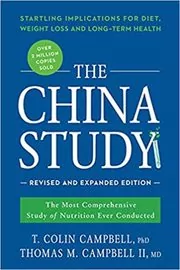
The China Study
For readers who want to understand an influential argument for whole-food, plant-based eating. Campbell connects research with a clear dietary position, though observational associations and selected findings do not establish every broader claim made about disease.
What it's about
Drawing on laboratory research and the China-Cornell-Oxford Project, Campbell and his son argue for a whole-food, plant-based diet. The book examines their views on nutrition, chronic disease, weight, and the forces that shape public food advice.
Also recommended by
3 people James Cameron recommended this book
James Cameron
"The publisher of [this book], probably noticed a big uptick in sales about the year that we decided to send all our friends [a copy]." - James Cameron
James Cameron's recommendation of this book  Ev Williams recommended this book
Ev Williams
On the "books read" section of Ev Williams' GoodReads profile.
Ev Williams's recommendation of this book  Suzy Amis Cameron recommended this book
Suzy Amis Cameron
Suzy Amis Cameron sent this book to all her friends.
Suzy Amis Cameron's recommendation of this book

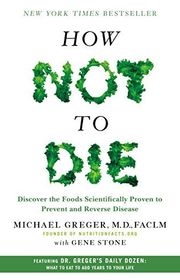
How Not to Die
Discover the Foods Scientifically Proven to Prevent and Reverse Disease
For readers interested in a detailed case for eating more whole plant foods. Greger combines many topics with an accessible checklist, though the title's prevention and reversal language requires more qualification than a general reading guide can provide.
What it's about
Michael Greger examines nutrition's role in common causes of premature death and argues for eating more whole plant foods. Alongside discussions of disease prevention, he introduces a daily checklist of foods and habits intended to support health.
Also recommended by
1 person Amy Tan recommended this book
Amy Tan
"Love [this author's] books. He backs everything with science." - Amy Tan
Amy Tan's recommendation of this book

For readers who want a clear argument about food culture and the limits of nutrient-focused thinking. Pollan connects eating with wider systems, though the manifesto format favors a persuasive thesis over a comprehensive nutrition reference.
What it's about
Michael Pollan challenges an approach to eating centered on isolated nutrients and processed products. He argues for meals rooted in whole foods, moderation, plant ingredients, and food traditions, linking personal well-being with the wider food system.
Also recommended by
1 person Richard Branson recommended this book
Richard Branson
Richard Branson recommended this book on his "70 must-read books" blog post.
Richard Branson's recommendation of this book

For readers who want a substantial explanation of food choices grounded in nutrition research. Willett connects evidence with practical eating questions, though the detailed discussion and edition-specific recommendations demand more attention than a short list of rules.
What it's about
Walter Willett explains his approach to healthy eating through nutrition research and long-term studies of diet. The book examines fats, carbohydrates, protein, and other food choices, offering practical guidance for shopping and meals while questioning conventional dietary recommendations.

For readers overwhelmed by detailed food advice who want a short set of memorable principles. Pollan keeps the tone approachable, though simple rules cannot account for every person's medical needs, resources, or cultural eating patterns.
What it's about
Michael Pollan distills his thinking about food into 64 brief guidelines for everyday eating. The rules address choosing foods, moderating consumption, and recovering habits that make meals simpler and more enjoyable.

For readers who want to examine restrictive food rules and rebuild trust in eating cues. Tribole and Resch offer a reflective framework rather than another diet plan, though applying its principles takes time and may benefit from individual support.
What it's about
Evelyn Tribole and Elyse Resch present ten principles for rebuilding a relationship with food beyond restrictive dieting. They explore hunger, fullness, satisfaction, body respect, and movement, encouraging readers to recognize internal cues and challenge rules and stigma surrounding eating.
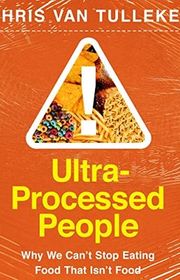
Ultra-Processed People
For readers who want to connect modern food products with appetite, industry incentives, and public health. Van Tulleken combines reporting with personal experimentation, though processing categories and their relationship to health remain subjects of active scientific debate.
What it's about
Chris van Tulleken investigates ultra-processed foods, combining research, reporting, and a personal dietary experiment. He examines how products are formulated and sold, and considers the roles of industry incentives, convenience, and the environments in which people make food choices.

For readers interested in an argument for traditional food patterns and preparation methods. Shanahan connects cooking practices with a broad health narrative, though the genetic and disease-related claims need separating from the practical food ideas.
What it's about
Catherine Shanahan and Luke Shanahan make a case for eating patterns modeled on traditional diets. They discuss fresh food, fermentation, sprouting, meat cooked on the bone, and organ meats, connecting their proposed diet with arguments about nutrition and epigenetics.
Also recommended by
1 person Preston Pysh recommended this book
Preston Pysh
"A great starting point." - Preston Pysh
Preston Pysh's recommendation of this book

For readers who want major food groups discussed in a practical, question-led format. Hyman brings many everyday choices together, though his functional-medicine perspective and strong food judgments need evaluating separately from established dietary guidance.
What it's about
Mark Hyman examines major food groups and conflicting nutritional advice, presenting his recommendations for everyday eating. Discussions of ingredients, food production, and recipes explain his approach to choosing foods, with health claims framed through his interpretation of research.
Also recommended by
1 person Alton Brown recommended this book
Alton Brown
"A very interesting read." - Alton Brown
Alton Brown's recommendation of this book

For readers comparing competing explanations of weight gain and the history of dietary advice. Taubes makes his argument forcefully, though the carbohydrate-and-insulin emphasis presents a particular position rather than a complete account of nutrition science.
What it's about
Gary Taubes presents his argument that carbohydrate consumption and insulin regulation are central to weight gain. He challenges familiar calorie-based explanations, considers genetics and exercise, and sets out dietary suggestions based on his interpretation of nutrition research.
Also recommended by
2 people Gretchen Rubin recommended this book
Gretchen Rubin
"I was persuaded to adopt a low-carb approach to eating when I read [this book]." - Gretchen Rubin
Gretchen Rubin's recommendation of this book  Bill Gurley recommended this book
Bill Gurley
"A toned down, more reader friendly, less technical version of [the author's] 2008 New York Times best seller." - Bill Gurley
Bill Gurley's recommendation of this book

For readers curious about how processed-food products are developed and marketed. Moss brings industry decisions into focus through reporting, though the account explains commercial incentives more directly than it teaches an individual approach to balanced eating.
What it's about
Michael Moss investigates how processed-food companies use salt, sugar, and fat to encourage consumption. Interviews and internal industry records reveal decisions about product formulation and marketing, alongside the tensions between public health concerns and the drive for sales.
Also recommended by
1 person Scott Adams recommended this book
Scott Adams
"I have cravings for chocolate until I stay away from it long enough to realize it wasn't my free will making me eat it, just a chemically induced addiction." - Scott Adams
Scott Adams's recommendation of this book

For readers who want to understand where meals come from rather than follow a diet plan. Pollan connects farming, industry, and personal choices through reported journeys, though the US focus and narrative approach provide limited practical nutrition instruction.
What it's about
Michael Pollan traces four meals through industrial agriculture, organic production, local farming, and food he hunts or gathers himself. He examines how everyday eating decisions connect consumers with agricultural systems, environmental consequences, and human health.
Also recommended by
1 person Nick Offerman recommended this book
Nick Offerman
"All of his books are excellent." - Nick Offerman
Nick Offerman's recommendation of this book
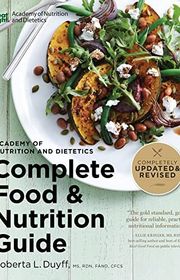
Academy of Nutrition and Dietetics Complete Food and Nutrition Guide
For beginners who want a broad reference instead of a single-diet argument. Duyff organizes practical food and nutrient questions systematically, though the substantial US-focused guide is better consulted by topic and its edition-specific details need updating.
What it's about
Roberta Larson Duyff presents a comprehensive reference on food, nutrients, meal planning, and nutrition across life stages. The guide addresses practical shopping and cooking questions alongside dietary needs, food safety, and ways to assess nutrition information.

For readers interested in traditional Asian food concepts alongside whole-food cooking. Pitchford provides extensive ingredient discussion, though traditional therapeutic claims and constitutional categories should be distinguished from established evidence about treating health conditions.
What it's about
Paul Pitchford combines ideas from traditional Asian medicine with modern nutrition in a guide to food and individual constitution. Discussions of ingredients, dietary patterns, and recipes explain his approach to choosing whole foods and understanding their proposed therapeutic roles.

For readers who want to question the promises surrounding vitamins and supplements. Price makes scientific history and marketing accessible through investigation, though the book offers context and critical questions rather than individualized advice about what to take.
What it's about
Catherine Price investigates how vitamins were discovered and became central to the way food is understood and marketed. Visits to laboratories and factories illuminate supplements, fortified products, and the scientific uncertainties behind promises of better nutrition.

For readers who want food traditions discussed alongside movement, relationships, and daily purpose. Buettner offers stories and recipes with a broad lifestyle view, though observations about long-lived communities cannot prove that copying particular habits produces exceptional longevity.
What it's about
Dan Buettner examines the foods and daily habits of communities he identifies as exceptionally long-lived. Stories, recipes, and practical suggestions connect eating patterns with activity, relationships, and purpose, outlining his approach to adapting these practices to everyday life.
Sources
- 1
30 Best Nutrition Books: Eat Better, Live Better
upjourney.com
- 2
100 Best Nutrition Books of All Time (Updated for 2026)
shortform.com
- 3
Nutrition Books
goodreads.com
- 4
Diet Books
fivebooks.com
- 5
7 Best Nutrition Books, Every Author a Doctor or Registered Dietitian
curatsy.com
- 6
I’m confused
reddit.com
- 7
13 Best Healthy Eating Books
healthline.com
- 8
Good Nutrition Reading List
utc.edu




Edited by
Software engineer whose passion for tracking book recommendations from podcasts inspired the creation of MRB.
Lead investor at 3one4 Capital whose startup expertise and love for books helped shape MRB and its growth.
Comments
Spotted a missing book, a wrong order or a mistake? Tell us and we'll fix this page.
We're a reading guide, not the author or publisher, so we can't send books or pass on messages.