
23 Best Veganism Books
The best veganism books, ranked by how many expert sources recommend each one, with notes for readers exploring ethics, nutrition, everyday living, and cooking.
Our take
Veganism books explore more than recipes. Some ask how animals should be treated, others examine the culture around eating, and some focus on nutrition or the practical work of changing habits. Environmental writing, movement strategy, and perspectives on race, gender, and disability add further questions. The most useful starting point depends on whether you want to understand an argument, plan daily life, or cook differently.
Eating Animals combines investigation with personal reflection. Think Like a Vegan applies ethics to everyday choices, while The Case for Animal Rights develops a more demanding philosophical position. Aphro-ism and Beasts of Burden connect animal advocacy with other struggles over value and power. For nutritional questions, Vegan for Life is a focused reference; health books elsewhere on the list make broader arguments that need critical reading and attention to edition dates. For cooking, try Isa Does It or The Korean Vegan Cookbook. Start with one clear goal, then choose a second book that supplies a different kind of understanding.
23 books · 11 sources · Last updated
As an Amazon Associate, we earn from qualifying purchases (at no extra cost to you).
How to choose from this list
Skip to the full rankingIf you want an ethical introduction: Eating Animals → Think Like a Vegan
If you want a sustained philosophical argument: Animal Liberation → The Case for Animal Rights
If you want perspectives on interconnected oppressions: Aphro-ism → Beasts of Burden
If you want a plant-based nutrition reference: Vegan for Life → Becoming Vegan
If you want practical meals: Isa Does It → Veganomicon → The Korean Vegan Cookbook
If you want to consider advocacy strategy: How to Create a Vegan World → How to Argue with a Meat Eater
The 23 books, ranked
Ranked by how many expert sources name each book. Ties go to the book more people recommend.

For readers who want a sustained philosophical argument about animals’ interests and suffering. Its influence makes it useful for understanding the movement, but the listed older edition’s examples need historical context, and its approach is not the only animal-rights position.
What it's about
Singer argues that animals' capacity to suffer deserves serious moral consideration. Examining intensive farming and animal experimentation, he challenges conventional justifications for their treatment and explores ethical alternatives to practices that place human interests above animal welfare.
Also recommended by
1 person Christopher Hitchens recommended this book
Christopher Hitchens
"The parts of [this famous book] that I find most impressive are the deadpan reprints of animal-experiment 'reports.'" - Christopher Hitchens
Christopher Hitchens's recommendation of this book

Eating Animals
For readers who want personal reflection joined with investigation of animal farming. The family questions give the ethics an accessible entry point, but its disturbing accounts and persuasive selection of material differ from a detached survey or practical transition guide.
What it's about
Becoming a father prompts Foer to examine the food he will serve his family. Combining personal reflection with investigation of farming and animal treatment, he considers the ethical questions, traditions and practical choices surrounding the consumption of meat.
Also recommended by
1 person Andrew Wilkinson recommended this book
Andrew Wilkinson
"Convinced me to stop eating meat." - Andrew Wilkinson
Andrew Wilkinson's recommendation of this book

How Not to Die
Discover the Foods Scientifically Proven to Prevent and Reverse Disease
For readers interested in an argument for whole plant foods framed around disease prevention. The organized discussion is accessible, but the strong claims and broad title require critical reading and cannot establish what will happen for an individual reader.
What it's about
Michael Greger examines nutrition's role in common causes of premature death and argues for eating more whole plant foods. Alongside discussions of disease prevention, he introduces a daily checklist of foods and habits intended to support health.
Also recommended by
1 person Amy Tan recommended this book
Amy Tan
"Love [this author's] books. He backs everything with science." - Amy Tan
Amy Tan's recommendation of this book

For readers curious about the psychology behind treating animal species differently. The concept of carnism gives the discussion a consistent lens, but the argument advances a particular explanation rather than covering every influence on eating habits.
What it's about
Joy introduces carnism, her term for the belief system that normalizes eating some animals while caring for others. She examines psychological and social mechanisms behind food choices, asking how these habits relate to compassion and personal values.
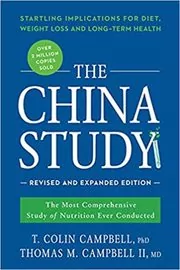
The China Study
For readers who want to understand an influential argument for whole-food, plant-based eating. It connects research with food institutions, but its advocacy and broad conclusions require care, particularly when distinguishing population-level associations from claims about individual outcomes.
What it's about
Drawing on laboratory research and the China-Cornell-Oxford Project, Campbell and his son argue for a whole-food, plant-based diet. The book examines their views on nutrition, chronic disease, weight, and the forces that shape public food advice.
Also recommended by
3 people James Cameron recommended this book
James Cameron
"The publisher of [this book], probably noticed a big uptick in sales about the year that we decided to send all our friends [a copy]." - James Cameron
James Cameron's recommendation of this book  Ev Williams recommended this book
Ev Williams
On the "books read" section of Ev Williams' GoodReads profile.
Ev Williams's recommendation of this book  Suzy Amis Cameron recommended this book
Suzy Amis Cameron
Suzy Amis Cameron sent this book to all her friends.
Suzy Amis Cameron's recommendation of this book
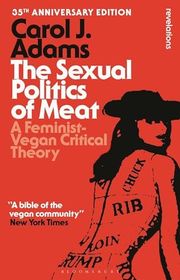
The Sexual Politics of Meat
For readers interested in links between gender, power, and the cultural treatment of animals. Its close analysis of language and imagery offers a different lens from dietary guides, but the theoretical argument and disturbing examples require attentive reading.
What it's about
Adams examines connections between the representation of women, masculinity, and the consumption of animals. Combining feminist criticism with analysis of language, advertising, and culture, the book argues that apparently separate forms of objectification can reinforce one another.

For readers who want a detailed plant-based nutrition reference rather than a motivational introduction. The coverage across nutrients and life stages supports selective consultation, but the density and edition age mean it should be read alongside current, individualized nutrition guidance.
What it's about
Davis and Vesanto Melina examine plant-based nutrition in a detailed reference for professionals and interested readers. They discuss protein, fats, carbohydrates, minerals and vitamin B12, along with nutritional planning across life stages, pregnancy and lactation.
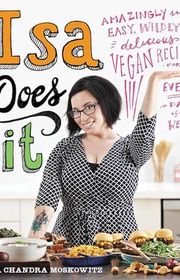
Isa Does It
For home cooks who want approachable vegan meals for regular use. The emphasis on familiar ingredients and practical preparation supports weekday cooking, but it is a recipe collection rather than a guide to the broader ethical arguments.
What it's about
Moskowitz presents vegan recipes designed for everyday cooking, including mains, soups, sandwiches, and comforting dishes. Practical instructions and ingredient guidance help home cooks adapt to a plant-based kitchen, with an emphasis on meals that can fit into regular routines.

For readers interested in how food habits might change over time. The imagined future creates distance from familiar assumptions, but the mixture of interviews, history, and speculation is an advocacy-led exploration rather than a prediction of what must happen.
What it's about
Van Voorst imagines a future in which consuming animals has become unacceptable, then looks back at today's habits. Interviews, history and personal experiences explore changing food culture and the possibilities of a world without animal products.
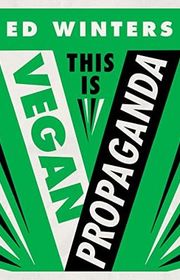
This Is Vegan Propaganda
For readers who want a direct, wide-ranging case for veganism. The links between ethics, farming, and environmental concerns give the argument breadth, but its campaigning voice and coverage of complex claims call for critical engagement rather than passive acceptance.
What it's about
Winters examines animal agriculture through ethical, environmental, social, and health arguments. The book challenges familiar justifications for using animals and considers cultural habits, industry practices, and the consequences the author associates with changing what people consume.
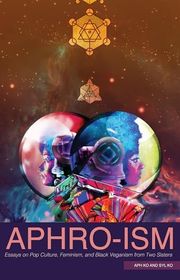
Aphro-ism
For readers who want Black vegan perspectives connecting race, feminism, and animal advocacy. The essay format allows several entry points, but its conceptual arguments challenge familiar categories and provide less step-by-step lifestyle guidance than the introductory manuals.
What it's about
Aph and Syl Ko bring popular culture, feminism, and Black vegan thought into a collection of essays about race and animal advocacy. They examine how systems of oppression are understood and separated, proposing different frameworks for interpreting relationships between movements.
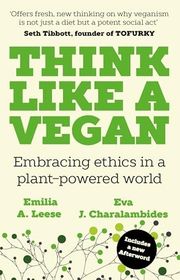
Think Like a Vegan
For readers who want vegan ethics applied beyond a dinner plate. The everyday examples connect principles with choices across life, but the conversational advocacy assumes interest in the framework and offers less sustained philosophical argument than the academic texts.
What it's about
Leese and Charalambides explore how vegan ethics can inform everyday decisions, relationships, and public questions. Through personal reflection and contemporary examples, they move beyond food to consider consistency, animal use, and the assumptions that shape apparently ordinary choices.
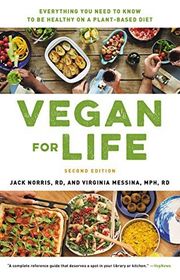
Vegan for Life
For readers who want a nutrition-focused reference from registered dietitians. The revised edition addresses practical planning across different needs, but it is a general guide, and its publication date and individual circumstances matter when applying the information.
What it's about
Norris and Messina examine plant-based nutrition through nutrients, food choices, supplementation, and needs across life stages. The revised guide combines explanations with practical planning material, addressing common questions that arise when people consider or maintain a vegan eating pattern.
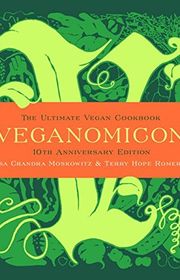
Veganomicon
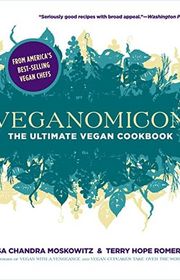
For home cooks who want a broad vegan collection covering everyday meals and more involved dishes. The range makes it useful beyond an initial transition, but some recipes require more ingredients and time than a quick weeknight-focused book.
What it's about
Moskowitz and Romero collect vegan recipes ranging from kitchen basics to main dishes and desserts. The anniversary edition adds and revises dishes while offering cooking guidance, helping home cooks build a wider repertoire of meals without animal-derived ingredients.

For advocates interested in strategy, communication, and making change possible. Its pragmatic approach shifts attention from personal consistency to wider adoption, but readers committed to stricter movement boundaries may disagree with its willingness to compromise.
What it's about
Tobias Leenaert examines the strategies, goals, and communication of vegan and animal-rights advocacy. He argues for a pragmatic approach to changing societies dependent on animal use, offering ideas for activists, organizational leaders, and entrepreneurs seeking broader progress.
Also recommended by
1 person Rutger Bregman recommended this book
Rutger Bregman
"Fantastic book. Motto: stop trying to be pure, start changing the world." - Rutger Bregman
Rutger Bregman's recommendation of this book
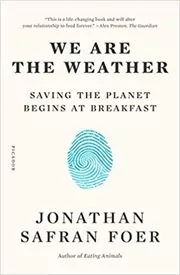
For readers interested in why knowing about climate change does not automatically change behavior. The personal essays connect food with responsibility, but the reflective structure and emphasis on individual choices provide less detail about institutional policy.
What it's about
Foer explores the gap between accepting climate change and changing personal behavior in response. Combining reflection with an argument about animal agriculture, he considers food choices and collective action as parts of the struggle to address environmental damage.
Also recommended by
1 person- Natalie Portman recommended this book
Natalie Portman
"Such a good book." - Natalie Portman
Natalie Portman's recommendation of this book
Beasts of Burden
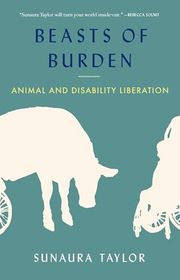
For readers interested in the relationship between disability justice and animal liberation. Personal experience gives the philosophical questions a concrete setting, but the layered discussion of dependence and human value is more demanding than a general introduction.
What it's about
Taylor combines memoir, philosophy, and cultural criticism to examine connections between disability and animal justice. The book questions assumptions about autonomy, dependence, usefulness, and the boundaries used to value lives, drawing on the author’s experience as a disabled person.

But I Could Never Go Vegan!
For cooks whose main barrier is imagining meals without familiar animal ingredients. Organizing recipes around common objections makes the change approachable, but it is a kitchen resource rather than an extended treatment of vegan ethics or nutrition.
What it's about
Turner organizes one hundred twenty-five vegan recipes around common objections to giving up animal products. Homemade staples, dairy-free alternatives and dishes for every meal address worries about cost, tofu, cheese, baking and feeding guests.
Diet for a Small Planet
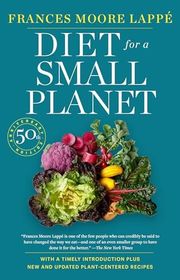
For readers who want a food-system perspective with a long history of influence. The revised edition combines argument with recipes, but its broad reform agenda differs from a guide devoted specifically to vegan ethics or daily vegan living.
What it's about
Lappé connects everyday food choices with resource use, hunger, and the organization of food production. The fiftieth-anniversary edition revisits the original argument through a new introduction and updated plant-centered recipes, linking kitchen practice with wider social and environmental questions.
How to Argue with a Meat Eater
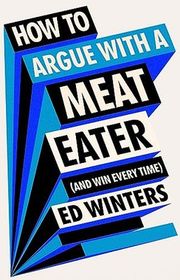
For readers who want to examine common objections and prepare for discussions about veganism. The question-and-response structure gives the arguments practical form, but its debate focus offers less space for personal narrative or repairing difficult relationships.
What it's about
Winters examines familiar arguments against veganism and presents ways to assess and respond to them. The book combines discussion of ethics, animal agriculture, and public claims with attention to debate, aiming to help readers explain and defend their position.
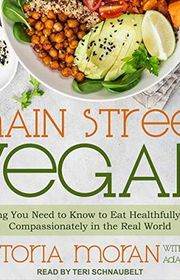
Main Street Vegan
For readers who want an encouraging introduction to fitting vegan choices into ordinary life. The practical, personal approach lowers the barrier to starting, but the holistic framing and broad coverage offer less specialist depth than a nutrition reference.
What it's about
Victoria Moran, with Adair Moran, introduces vegan eating and living through manageable changes, personal experience, and practical questions. The guide discusses food, shopping, social situations, and compassion, emphasizing ways people might adapt their routines without an elaborate support system.
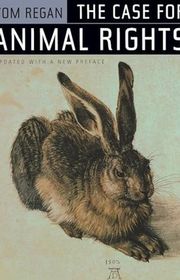
The Case for Animal Rights
For readers who want a developed rights-based argument to compare with approaches centered on suffering. The philosophical structure makes its commitments explicit, but sustained reasoning and engagement with competing theories make it a demanding starting point.
What it's about
Regan develops a philosophical defense of rights for animals, examining what gives individuals value and how that value should constrain human conduct. He considers competing ethical positions and applies his argument to practices involving farming, research, and other animal use.

For cooks interested in Korean flavors alongside family stories and personal reflection. The cultural specificity gives the recipes a clear identity, but some dishes require specialist ingredients and more preparation than a broad beginner’s weeknight collection.
What it's about
Joanne Lee Molinaro pairs vegan adaptations of Korean dishes with stories of her family and their immigrant experience. Pantry guidance and recipes for noodles, soups, side dishes, and other favorites explore how food carries memory, culture, and identity.
Sources
- 1
The 7 Best Vegan Books To Ease Into Eating Less Meat
greenqueen.com.hk
- 2
The 10 best vegan books for beginners and long-time vegans
proveg.com
- 3
60 Best Vegan Books That You Need to Read
justinpluslauren.com
- 4
24 Vegan Books You Should Read
thehumaneleague.org
- 5
The Best Resources for Vegans
viva.org.uk
- 6
Veganism Books
goodreads.com
- 7
What’s the best vegan book you’ve read, the one that really stayed with you?
reddit.com
- 8
Vegan and vegan-adjacent reading list
reddit.com
- 9
10 Vegan Books Worth Reading: Nutrition, Ethics, and Cooking
everythingvegan.com
- 10
12 Incredible Books That Every Vegan Should Read This Summer
chooseveg.com
- 11
10 Vegan Books to See You Through Veganuary and Beyond
veganuary.com




Edited by
Software engineer whose passion for tracking book recommendations from podcasts inspired the creation of MRB.
Lead investor at 3one4 Capital whose startup expertise and love for books helped shape MRB and its growth.
Comments
Spotted a missing book, a wrong order or a mistake? Tell us and we'll fix this page.
We're a reading guide, not the author or publisher, so we can't send books or pass on messages.