
9 Best Food Books
The best food books, ranked by how many expert sources recommend each, with notes on who they suit, from kitchen memoirs to culinary history and food essays.
Our take
Food writing explores more than what ends up on a plate. These books use meals, restaurant work, family memories, and ingredients to examine identity, ambition, history, and pleasure. They suit readers who enjoy thinking about food even when they're away from the kitchen. Some include recipes, but their main appeal is the experience and perspective behind the eating.
Kitchen Confidential and Notes from a Young Black Chef take you into professional cooking through very different lives. Taste and Tender at the Bone connect food with family, while Garlic and Sapphires looks at restaurants through a critic's disguises. The Cooking Gene places personal ancestry within Southern culinary history, and The Man Who Ate Everything follows curiosity into detailed investigations. For a more literary, reflective voice, try The Gastronomical Me. Start with the memoir whose setting interests you, or choose My Life in France for an account of learning to love a cuisine.
9 books · 8 sources · Last updated
As an Amazon Associate, we earn from qualifying purchases (at no extra cost to you).
How to choose from this list
Skip to the full rankingIf you want professional-kitchen memoirs: Kitchen Confidential → Notes from a Young Black Chef
If you want food and family memories: Tender at the Bone → Taste
If you're curious about restaurant criticism: Garlic and Sapphires
If you want culinary history and identity: The Cooking Gene
If you enjoy reflective food essays: The Gastronomical Me → The Man Who Ate Everything
If you want a story of learning a cuisine: My Life in France
The 9 books, ranked
Ranked by how many expert sources name each book. Ties go to the book more people recommend.

For readers who want the pace and rough humor of professional kitchens. Bourdain's insider account is more confrontational than the domestic food memoirs, though the profanity and destructive behavior can overshadow the pleasures of cooking.
What it's about
Bourdain throws open the kitchen doors and shows restaurant life in all its speed, grime, and dark humor. Part memoir and part expose, it tracks his years as a cook and the rough culture that shaped him.
Also recommended by
2 people Jon Favreau recommended this book
Jon Favreau
"Great book." - Jon Favreau
Jon Favreau's recommendation of this book  Eric Ripert recommended this book
Eric Ripert
"I love that Tony’s world in the kitchen was filled with pirate-like renegades when mine was peopled with regimented professionals. How eye-opening and entertaining to read about the other side!" - Eric Ripert
Eric Ripert's recommendation of this book
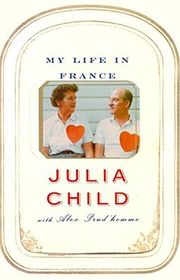
My Life in France
For readers who want a memoir centered on discovering a cuisine and learning a craft. Child's enthusiasm makes the long process of becoming a cook approachable, though this account offers personal history rather than a complete cooking course.
What it's about
Julia Child, working with Alex Prud'homme, recalls her arrival in France, her culinary education, and the development of her first cookbook. The memoir follows her life with Paul Child and the experiences that shaped her approach to French cooking.

For readers interested in ambition and racial barriers within professional cooking. Onwuachi connects his career with personal history more directly than a restaurant critic's memoir, though the intense setbacks make this less of a comforting escape.
What it's about
Kwame Onwuachi recounts his culinary coming-of-age, from a difficult youth in New York and Nigeria to catering and professional kitchens. His memoir explores ambition, race, and the barriers faced by people of color in fine dining.

For readers who want food woven through family stories and everyday pleasure. Tucci's conversational recollections offer a lighter entry than the investigative histories, though readers seeking a tightly argued account of food culture may find it loose.
What it's about
Stanley Tucci recalls his life through the meals that shaped it, from an Italian American childhood to family dinners and film sets. Stories about cooking, love, and parenthood connect food with personal memory.
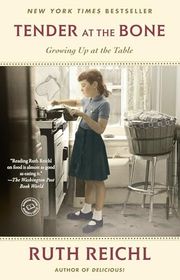
Tender at the Bone
For readers who want a coming-of-age memoir shaped by meals and the people who make them. Reichl connects early experiences with a developing palate, though the episodic recollections offer less sustained restaurant criticism than Garlic and Sapphires.
What it's about
Ruth Reichl recalls the family meals, friendships, travels, and encounters that shaped her interest in food. Moving from childhood toward a career in cooking and criticism, the memoir connects recipes and remembered dishes with a developing sense of self.

The Man Who Ate Everything
And Other Gastronomic Feats, Disputes, and Pleasurable Pursuits
For readers who enjoy following a critic's curiosity into ingredients and culinary arguments. Steingarten combines research with comic obsession more pointedly than a straightforward memoir, though the detailed digressions can feel excessive when a topic doesn't interest you.
What it's about
Food critic Jeffrey Steingarten recounts his efforts to overcome culinary prejudices and investigate what people eat. These essays combine travels, kitchen experiments, recipes, and arguments about ingredients ranging from sourdough to salt and fat.
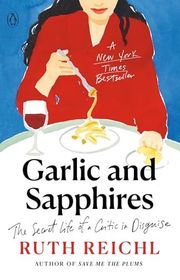
Garlic and Sapphires
For readers curious about restaurant criticism and the difference recognition makes to a meal. Reichl's disguised visits make questions of service and identity vivid, though the high-end New York setting is narrower than a general food memoir.
What it's about
Ruth Reichl recounts her years as restaurant critic for The New York Times, including the disguises she used to eat anonymously. Restaurant visits, recipes, and personal reflection explore hospitality, status, identity, and the difficulty of judging a dining experience fairly.

The Cooking Gene
A Journey Through African American Culinary History in the Old South
For readers who want Southern food understood through ancestry, labor, and historical memory. Twitty's personal research gives culinary history a depth beyond restaurant memoirs, though the many strands and painful history call for patient reading.
What it's about
Michael W. Twitty traces his Black and white ancestry through Southern food traditions. Combining culinary history with memoir, he examines slavery, family roots, and the contested origins of soul food, barbecue, and Southern cuisine.

The Gastronomical Me
For readers who prefer literary reflections on appetite, memory, and relationships. Fisher makes meals carry emotional meaning more subtly than a professional-kitchen memoir, though the historical setting and reflective pace may feel distant at first.
What it's about
M. F. K. Fisher recounts her life and travels through memorable meals and encounters. Food becomes a way to explore love, loss, pleasure, and self-discovery, as her experiences in France and elsewhere shape a growing culinary sensibility.
Also recommended by
1 person Shauna Niequist recommended this book
Shauna Niequist
Shauna Niequist recommended this book on Twitter.
Shauna Niequist's recommendation of this book
Sources
- 1
15 Food Books to Buy Food Lovers
eater.com
- 2
29 Influential Food Books, According to Serious Eats Editors
seriouseats.com
- 3
Food Writing Books
goodreads.com
- 4
Food memoir recommendations
reddit.com
- 5
15 Books Every Food Lover Should Read
tastingtable.com
- 6
Writing Resources and Reading Lists - Food Writing - Books
writingclasses.com
- 7
9 Best Food Books, Cookbooks, & Memoirs
katiecouric.com
- 8
Books primarily about food (restaurant, cookbooks, etc...) that you revisit for the way they describe the food?
reddit.com








Edited by
Software engineer whose passion for tracking book recommendations from podcasts inspired the creation of MRB.
Lead investor at 3one4 Capital whose startup expertise and love for books helped shape MRB and its growth.
Comments
Did we miss something? Have feedback?
Help us improve this page by sharing your thoughts