
14 Best Intuitive Eating Books
The best intuitive eating books, ranked by how many expert sources recommend each one, with notes on who they suit and where beginners can start.
Our take
Intuitive eating books explore hunger, fullness, satisfaction, and the rules people learn about food and body size. Some explain the original ten principles, while others focus on nutrition, mindfulness, self-care, or the cultural pressures surrounding dieting. They can help readers understand different approaches and choose exercises that match their questions, but their formats and assumptions vary considerably.
Intuitive Eating provides the foundation, and The Intuitive Eating Workbook turns that framework into written reflection. Just Eat It offers another practical introduction with a more irreverent voice. For questions about nourishment and cooking, Gentle Nutrition concentrates on flexible food choices. Anti-Diet examines the wider history and influence of diet culture, while Eat to Love brings Buddhist mindfulness into the discussion. The body-image books extend the subject beyond eating itself. Start with Intuitive Eating for the framework, then choose a workbook or a focused companion according to what you want to explore next.
14 books · 7 sources · Last updated
As an Amazon Associate, we earn from qualifying purchases (at no extra cost to you).
How to choose from this list
Skip to the full rankingIf you are new to the framework: Intuitive Eating → The Intuitive Eating Workbook
If you want nutrition guidance: Intuitive Eating → Gentle Nutrition
If you prefer brief daily practice: Intuitive Eating for Every Day
If you want to examine diet culture: Anti-Diet
If body image is your main concern: Body Kindness → More Than a Body
If you want a mindful approach: Eat to Love
The 14 books, ranked
Ranked by how many expert sources name each book. Ties go to the book more people recommend.

Anti-Diet
Reclaim Your Time, Money, Well-Being, and Happiness Through Intuitive Eating
For readers who want to examine the social and commercial forces behind dieting. Harrison offers more historical context than a workbook, though the argument against diet culture takes precedence over a step-by-step practice plan.
What it's about
Christy Harrison examines the history and commercial influence of diet culture, drawing on research, patient stories, and personal experience. She presents intuitive eating as an alternative to restrictive rules and persistent efforts to change body size.

For beginners who want the original framework explained in one place. Its ten principles provide a foundation for the more specialized books here, though changing familiar food rules takes more reflection than a quick read allows.
What it's about
Evelyn Tribole and Elyse Resch present ten principles for rebuilding a relationship with food beyond restrictive dieting. They explore hunger, fullness, satisfaction, body respect, and movement, encouraging readers to recognize internal cues and challenge rules and stigma surrounding eating.

For readers wondering how nutrition fits alongside freedom from rigid food rules. The practical guidance and recipes make everyday choices more concrete, though its narrower focus works best after an introduction to intuitive eating.
What it's about
Rachael Hartley explores nutrition within intuitive eating, encouraging flexible food choices rather than dieting or rigid restrictions. Practical guidance and recipes connect nourishment with enjoyment, helping readers consider their needs without reducing eating to weight control.
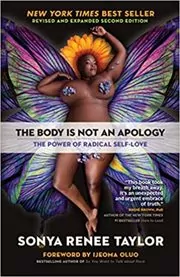
For readers who want to connect personal body shame with wider systems of exclusion. Taylor’s radical self-love framework extends beyond eating into identity and social change, though it provides less direct guidance about meals and hunger.
What it's about
Sonya Renee Taylor argues that body shame reflects social systems as well as personal experience. This revised edition presents radical self-love as a practice for challenging internalized judgments and the oppression attached to bodily differences.

For readers who respond to humor and a personal account of leaving restrictive dieting behind. Its blunt voice can make reflection feel approachable, though the informal style offers less structure than the workbooks here.
What it's about
Caroline Dooner challenges diet culture and the guilt surrounding food, weight, and body image. Drawing on her experience of repeated dieting, she proposes an alternative philosophy for approaching eating and examines the physical, emotional, and mental relationships people develop with food.

The Intuitive Eating Workbook
Ten Principles for Nourishing a Healthy Relationship with Food
For readers who understand the principles but want to work through their own habits on paper. The structured exercises make it a useful companion, though it asks for sustained participation rather than passive reading.
What it's about
This workbook turns the ten principles of intuitive eating into exercises and reflections. Evelyn Tribole and Elyse Resch guide readers through recognizing hunger and satisfaction, examining food rules, and developing a more trusting relationship with eating and their bodies.

Unapologetic Eating
For readers who want to connect food habits with self-trust and body expectations. Its reflective exercises broaden the work beyond individual meals, though readers seeking a concise account of the core principles may find it expansive.
What it's about
Alissa Rumsey explores how dieting, body expectations, and restrictive food rules shape people's relationships with eating. Her approach combines reflection and practical exercises to encourage body acceptance, self-trust, and greater freedom around food in daily life.

Body Kindness
Transform Your Health from the Inside Out--and Never Say Diet Again
For readers whose concerns extend from food to sleep, movement, and everyday self-care. Its compassionate exercises put eating in a wider context, though readers seeking a detailed explanation of the ten principles should begin elsewhere.
What it's about
Rebecca Scritchfield proposes a compassionate approach to well-being centered on self-care, emotions, personal values, and supportive relationships. Exercises and prompts help readers examine choices around food, movement, and sleep while developing goals that fit their lives rather than dieting rules.

Eat to Love
A Mindful Guide to Transforming Your Relationship with Food, Body, and Life
For readers who want mindfulness and compassion to anchor their approach to food. Its Buddhist perspective gives the exercises a distinct foundation, though that spiritual framing may not suit someone seeking a strictly secular manual.
What it's about
Jenna Hollenstein brings Buddhist teachings, mindfulness, and intuitive eating together to explore struggles with food and body image. She offers practices for noticing habitual reactions, cultivating compassion, and developing a more accepting relationship with eating.

For readers interested in the arguments behind a weight-inclusive approach to health. Its research discussion broadens the perspective beyond eating habits, though it presents a particular framework rather than a neutral survey of competing views.
What it's about
Linda Bacon challenges conventional assumptions about weight and health, presenting the Health at Every Size approach. Research and practical guidance emphasize body respect, enjoyable movement, and responding to hunger rather than pursuing restrictive weight-loss goals.

For beginners who want practical exercises delivered in a frank, conversational voice. Thomas connects food neutrality with everyday social pressures, though the profanity and irreverent tone may distract readers who prefer a quieter introduction.
What it's about
Laura Thomas introduces intuitive eating as an alternative to restrictive dieting and guilt around food. Practical exercises, mindfulness techniques, and critiques of diet culture explore hunger, fullness, and the emotional pressures surrounding eating, encouraging readers to reconsider their relationship with food.
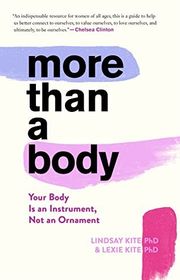
More Than a Body: Your Body Is an Instrument, Not an Ornament
For readers whose food concerns are closely tied to appearance and self-objectification. The Kite sisters offer a focused approach to body image resilience, though it is a companion to intuitive eating rather than a complete introduction.
What it's about
Lexie and Lindsay Kite examine self-objectification and the influence of beauty ideals. Drawing on body-image research, they discuss media use, self-reflection, and everyday practices intended to shift attention from appearance toward living in and using the body.

For readers who prefer written prompts to long explanations. Its focus on diet culture, internal signals, and nutrition gives journaling a clear direction, though it overlaps with the original workbook rather than replacing foundational reading.
What it's about
Cara Harbstreet presents an intuitive eating workbook focused on recognizing body signals and reconsidering restrictive diet habits. Written exercises explore food-related emotions, diet culture, self-care, and nutrition, helping readers reflect on their relationship with eating.
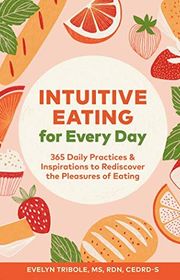
Intuitive Eating for Every Day: 365 Daily Practices & Inspirations to Rediscover the Pleasures of Eating
For readers who want a small, repeatable point of reflection rather than another long manual. Its daily format makes returning to the ideas convenient, though the short entries provide less sustained explanation than the original book.
What it's about
Evelyn Tribole offers 365 short practices and reflections connected with intuitive eating. Prompts address body awareness, food rules, compassion, and the pleasure of eating, allowing readers to engage with the material at their own pace.
Sources
- 1
Nutrition and Intuitive Eating Books I Recommend as a Dietitian
gratefulgrazer.com
- 2
The Best Intuitive Eating Books to Heal Your Relationship With Food
intuitivelyyounutrition.com
- 3
Top 10 Intuitive Eating Books to Help Heal Your Relationship with Food
karalydon.com
- 4
Intuitive Eating Books
goodreads.com
- 5
Books
reddit.com
- 6
Looking for Book Recs
reddit.com
- 7
9 Books That Will Change Your Relationship With Food
self.com






Edited by
Software engineer whose passion for tracking book recommendations from podcasts inspired the creation of MRB.
Lead investor at 3one4 Capital whose startup expertise and love for books helped shape MRB and its growth.
Comments
Spotted a missing book, a wrong order or a mistake? Tell us and we'll fix this page.
We're a reading guide, not the author or publisher, so we can't send books or pass on messages.