
9 Best Weight Loss Books
The best weight loss books, ranked by how many expert sources recommend each, with notes on nutrition, meal planning, food habits, and who each book suits.
Our take
Books about weight and eating vary widely in purpose. Some propose a particular diet, others help with meal preparation, and some question the cycle of dieting itself. A useful choice depends on whether you want to understand an argument, solve a practical cooking problem, or reconsider your relationship with food. A clear explanation or appealing recipe collection is not the same as evidence that a program will produce a particular result.
Embrace You takes a broad wellness perspective, while Smart Meal Prep for Beginners addresses the logistics of feeding yourself consistently. Run Fast. Cook Fast. Eat Slow. centers on meals for active lives. Eat to Live and How Not to Diet make strongly plant-focused cases; The Whole30 describes a more tightly defined elimination program. Intuitive Eating offers a different route focused on food and body respect, rather than a weight-loss target. Start with the book that addresses your actual question, and treat personal medical or dietary decisions as separate from a book's promises.
9 books · 9 sources · Last updated
As an Amazon Associate, we earn from qualifying purchases (at no extra cost to you).
How to choose from this list
Skip to the full rankingIf you want a broader wellness perspective: Embrace You
If meal planning is your main obstacle: Smart Meal Prep for Beginners
If you cook around an active schedule: Run Fast. Cook Fast. Eat Slow.
If you want to examine a plant-focused argument: Eat to Live → How Not to Diet
If you want seafood-based meal ideas: The Pescatarian Cookbook
If you want to reconsider chronic dieting: Intuitive Eating
The 9 books, ranked
Ranked by how many expert sources name each book. Ties go to the book more people recommend.
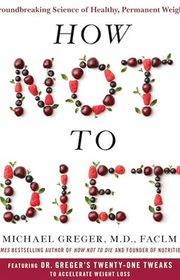
How Not to Diet: The Groundbreaking Science of Healthy, Permanent Weight Loss
For readers who want an extensive nutrition-focused case for plant-based eating. Its many research discussions provide material to examine, though the volume of detail and strong dietary position call for selective reading and comparison with broader clinical guidance.
What it's about
Michael Greger examines research on food, appetite, and body weight while presenting a predominantly whole-food, plant-based approach. The book discusses dietary composition, eating patterns, and additional lifestyle proposals, connecting the author's interpretation of studies with practical suggestions.

For readers comparing a strongly plant-focused approach organized around nutrient density. Its clear dietary framework makes the author's position easy to understand, though the restrictive rules and broad health claims need critical reading rather than being treated as universal advice.
What it's about
Joel Fuhrman outlines a weight-loss eating plan centered on nutrient density, emphasizing the relationship between nutrients and calories. He explains his dietary principles and proposes food choices intended to support appetite satisfaction and sustained changes in eating habits.

For readers who want to reconsider chronic dieting and focus on their relationship with food. Its attention to hunger, satisfaction, and body respect offers an alternative perspective, though it explicitly does not function as a weight-loss plan.
What it's about
Evelyn Tribole and Elyse Resch present ten principles for rebuilding a relationship with food beyond restrictive dieting. They explore hunger, fullness, satisfaction, body respect, and movement, encouraging readers to recognize internal cues and challenge rules and stigma surrounding eating.

For active readers who need convenient meals that fit around training and daily commitments. The practical athlete-focused recipes distinguish it from restrictive diet programs, though its emphasis is fueling and cooking rather than a dedicated weight-loss method.
What it's about
Shalane Flanagan and Elyse Kopecky offer quick recipes designed around the demands of active lives. Pre-run snacks, recovery breakfasts, portable lunches, and faster dinners combine practical preparation with their approach to satisfying food for athletes and busy home cooks.

Smart Meal Prep for Beginners
Recipes and Weekly Plans for Healthy, Ready-to-Go Meals
For beginners whose main difficulty is organizing shopping and preparing meals consistently. The staged weekly plans reduce everyday decisions, though the value is logistical and following the recipes does not by itself establish an individual weight-loss plan.
What it's about
Toby Amidor introduces meal preparation through six weekly plans that gradually expand from a few recipes to more comprehensive planning. Shopping guidance, storage and reheating instructions, nutrition information, and ready-to-go recipes help beginners organize meals ahead of time.

For home cooks who want everyday fish and seafood meals alongside plant foods. The recipes and planning guidance make the eating pattern concrete, though it assumes those ingredients fit your preferences and budget and is not a personalized weight-loss program.
What it's about
Cara Harbstreet introduces a pescatarian kitchen with guidance on fish, seafood, vegetables, and pantry staples. Seventy-five recipes and three weeks of meal plans cover everyday meals, alongside shopping, preparation, and storage advice for organizing this style of eating.

For readers considering a transition toward vegan meals who want an argument and practical starting points together. Its kitchen guidance supports that change, though the advocacy-led treatment gives less space to alternative dietary patterns or individual nutritional requirements.
What it's about
Joel Kahn makes a case for plant-based eating through research, patient accounts, and discussion of health, environmental, and ethical concerns. Practical sections address stocking a kitchen, dining out, and transitioning to vegan meals, supported by recipes and a meal plan.

Embrace You
Your Guide to Transforming Weight Loss Misconceptions into Lifelong Wellness
For readers tired of one-size-fits-all diet advice who want a wider discussion of wellness. Its attention to individual circumstances offers perspective beyond a target weight, though it provides less of a tightly specified meal plan than a cookbook.
What it's about
Sylvia Gonsahn-Bollie challenges one-size-fits-all weight-loss advice through a guide that combines personal experience with her wellness approach. She explores the varied factors influencing body weight and encourages lasting lifestyle changes that look beyond the number on a scale.

For readers who want to understand a defined, short-term elimination program and its planning demands. The rules and recipes provide structure, though excluding several food groups can be difficult and the program's claims should not be mistaken for guaranteed results.
What it's about
Melissa and Dallas Hartwig explain how to follow their thirty-day eating program through planning advice, recipes, and answers to common questions. Personal stories and practical resources accompany guidance for examining food habits and implementing the program in everyday life.
Sources
- 1
Those of you who have lost a great deal of weight, can you recommend a book that was helpful to you?
reddit.com
- 2
BEST books about how to get to and maintain a healthy weight
simpleandpractical.com
- 3
100 Best Weight Loss Books of All Time (Updated for 2026)
shortform.com
- 4
Books for understanding healthy weight management
stepbystepguides.org
- 5
Weight Loss Books
goodreads.com
- 6
Best Diet Books
gayot.com
- 7
11 Best Weight Loss Books
healthline.com
- 8
9 Best Diet Books of According To Registered Dietitians
womenshealthmag.com
- 9
The 12 Best Weight Loss Books to Read in 2022, According to Dietitians
prevention.com







Edited by
Software engineer whose passion for tracking book recommendations from podcasts inspired the creation of MRB.
Lead investor at 3one4 Capital whose startup expertise and love for books helped shape MRB and its growth.
Comments
Spotted a missing book, a wrong order or a mistake? Tell us and we'll fix this page.
We're a reading guide, not the author or publisher, so we can't send books or pass on messages.