
14 Best Diet Books
The best diet books, ranked by how many expert sources recommend each one, with notes for readers choosing nutrition guides, recipes, and eating habits.
Our take
Diet books can help with very different problems: understanding nutrition, organizing meals, cooking within a chosen eating pattern, or reconsidering a difficult relationship with food. Those purposes matter more than a promise on a cover. A recipe collection offers practical meals, while a research-led explanation helps you assess an argument; neither automatically provides an eating plan suited to every person.
Smart Meal Prep for Beginners addresses shopping and preparation, and Run Fast. Cook Fast. Eat Slow. focuses on feeding an active life. For broader explanations, consider Eat, Drink, and Be Healthy or In Defense of Food. Intuitive Eating and Anti-Diet explore food rules and body image rather than prescribing weight loss. More specialized books cover plant-based eating, pescatarian meals, and digestive symptoms. Read sweeping health claims critically and distinguish general information from advice for a particular medical condition. Start with the book that addresses your daily obstacle, whether that's making dinner or making sense of conflicting messages.
14 books · 7 sources · Last updated
As an Amazon Associate, we earn from qualifying purchases (at no extra cost to you).
How to choose from this list
Skip to the full rankingIf you need meals organized: Smart Meal Prep for Beginners → Run Fast. Cook Fast. Eat Slow.
If you want a nutrition overview: Eat, Drink, and Be Healthy → In Defense of Food
If you want to rethink restrictive rules: Intuitive Eating → Anti-Diet
If you're choosing an eating pattern: The Plant-Based Solution → The Pescatarian Cookbook
If you want to understand food processing: Ultra-Processed People
The 14 books, ranked
Ranked by how many expert sources name each book. Ties go to the book more people recommend.

For readers who want to reconsider restrictive rules and pay closer attention to hunger, satisfaction, and eating patterns. Its reflective exercises offer a different goal from calorie-focused plans, though it isn't a weight-loss prescription or a fixed menu.
What it's about
Evelyn Tribole and Elyse Resch present ten principles for rebuilding a relationship with food beyond restrictive dieting. They explore hunger, fullness, satisfaction, body respect, and movement, encouraging readers to recognize internal cues and challenge rules and stigma surrounding eating.

For readers who want an accessible argument about eating patterns rather than a detailed nutrient reference. Its attention to food culture makes the ideas memorable, though the broad principles and journalistic framing need adaptation to budget, preferences, and medical needs.
What it's about
Michael Pollan challenges an approach to eating centered on isolated nutrients and processed products. He argues for meals rooted in whole foods, moderation, plant ingredients, and food traditions, linking personal well-being with the wider food system.
Also recommended by
1 person Richard Branson recommended this book
Richard Branson
Richard Branson recommended this book on his "70 must-read books" blog post.
Richard Branson's recommendation of this book
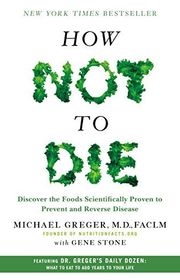
How Not to Die
For readers who want an extensive argument for plant-based eating organized around health concerns. The references and practical food checklist provide substantial material, though its strongly advocated approach and disease-focused claims require critical reading rather than acceptance as personalized treatment.
What it's about
Michael Greger and Gene Stone examine research on diet and chronic disease from a plant-based perspective. The book organizes its discussion around common health conditions before presenting a daily food checklist and suggestions for changing eating habits.

Anti-Diet
Reclaim Your Time, Money, Well-Being, and Happiness Through Intuitive Eating
For readers who want to examine the cultural pressures behind repeated dieting. Its critical perspective complements the practical exercises in Intuitive Eating, though the argument is broader than everyday meal planning and won't provide a conventional weight-loss program.
What it's about
Christy Harrison examines the history and commercial influence of diet culture, drawing on research, patient stories, and personal experience. She presents intuitive eating as an alternative to restrictive rules and persistent efforts to change body size.

For readers who want a substantial explanation of food groups and nutrition evidence. Its emphasis on understanding eating patterns offers more context than short rules or recipes, though the detail takes time and an updated edition matters.
What it's about
Walter Willett explains his approach to healthy eating through nutrition research and long-term studies of diet. The book examines fats, carbohydrates, protein, and other food choices, offering practical guidance for shopping and meals while questioning conventional dietary recommendations.

For readers who prefer brief prompts to a long discussion of nutrition research. Its compact format is easy to revisit while shopping or cooking, though the simplified rules offer little explanation and can be too rigid if treated as universal requirements.
What it's about
Michael Pollan distills his thinking about food into 64 brief guidelines for everyday eating. The rules address choosing foods, moderating consumption, and recovering habits that make meals simpler and more enjoyable.

For active readers who need satisfying meals without spending every evening cooking. Its focus on preparation around training gives the recipes a clear purpose, though it is an athlete-oriented cookbook rather than a general weight-loss program.
What it's about
Shalane Flanagan and Elyse Kopecky offer quick recipes designed around the demands of active lives. Pre-run snacks, recovery breakfasts, portable lunches, and faster dinners combine practical preparation with their approach to satisfying food for athletes and busy home cooks.
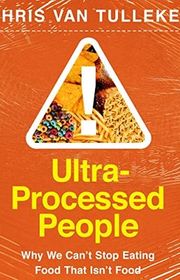
Ultra-Processed People
For readers interested in how food manufacturing and marketing shape what people eat. Its reporting connects individual choices with the wider food environment, though its strong focus on processing is less useful for building a complete meal plan.
What it's about
Chris van Tulleken investigates ultra-processed foods, combining research, reporting, and a personal dietary experiment. He examines how products are formulated and sold, and considers the roles of industry incentives, convenience, and the environments in which people make food choices.

Smart Meal Prep for Beginners
Recipes and Weekly Plans for Healthy, Ready-to-Go Meals
For beginners whose main obstacle is organizing shopping, cooking, and storage. The gradual weekly plans make preparation more manageable than a large recipe collection, though the structure requires time upfront and flexibility for individual needs.
What it's about
Toby Amidor introduces meal preparation through six weekly plans that gradually expand from a few recipes to more comprehensive planning. Shopping guidance, storage and reheating instructions, nutrition information, and ready-to-go recipes help beginners organize meals ahead of time.

The Bloated Belly Whisperer
See Results Within a Week and Tame Digestive Distress Once and for All
For readers who want to understand why digestive symptoms may require different dietary approaches. Its symptom-focused explanations are more targeted than general eating books, though the questionnaire cannot establish a diagnosis or replace evaluation of persistent symptoms.
What it's about
Tamara Duker Freuman examines different causes of bloating through patient stories, a diagnostic-style questionnaire, and explanations of digestive processes. The guide discusses dietary approaches and supplements and includes recipes designed around the varying needs explored in the book.

For home cooks who want a clear plan for meals built around seafood and plant foods. Its shopping and storage guidance makes the recipes approachable, though fish costs and availability can complicate the suggested menus.
What it's about
Cara Harbstreet introduces a pescatarian kitchen with guidance on fish, seafood, vegetables, and pantry staples. Seventy-five recipes and three weeks of meal plans cover everyday meals, alongside shopping, preparation, and storage advice for organizing this style of eating.

For readers considering a fully plant-based eating pattern who want help turning that choice into meals. Its kitchen and dining-out guidance adds practical direction, though its advocacy for vegan eating leaves less space for other dietary approaches.
What it's about
Joel Kahn makes a case for plant-based eating through research, patient accounts, and discussion of health, environmental, and ethical concerns. Practical sections address stocking a kitchen, dining out, and transitioning to vegan meals, supported by recipes and a meal plan.

The Rainbow Diet
A Holistic Approach to Radiant Health Through Foods and Supplements
For readers interested in a holistic framework built around food colors and personal wellbeing. Its visual organization offers a different approach to variety, though the spiritual correspondences and supplement emphasis go beyond a conventional nutrition reference.
What it's about
Deanna Minich proposes a holistic approach to nutrition organized around colorful whole foods and supplements. Combining nutritional ideas with ancient healing traditions, she relates eating choices to physical, emotional, and spiritual wellbeing within her full-spectrum model of health.

For readers tired of conflicting food rules who want habits that fit an ordinary schedule. Its practical discussion of diet myths is easier to apply than a rigid plan, though it provides less structure for someone seeking weekly menus.
What it's about
Jaclyn London challenges diet myths and confusing nutrition messages with practical approaches to everyday eating. She discusses recognizing misleading claims, planning food around a busy schedule, eating for satisfaction, and developing sustainable habits without treating enjoyment as an obstacle.
Sources
- 1
13 Best Healthy Eating Books
healthline.com
- 2
11 Best Weight Loss Books
healthline.com
- 3
9 Best Diet Books of According To Registered Dietitians
womenshealthmag.com
- 4
Diet Books
goodreads.com
- 5
7 Best Nutrition Books, Every Author a Doctor or Registered Dietitian
curatsy.com
- 6
Books
reddit.com
- 7
Recommend good books on nutrition
reddit.com





Edited by
Software engineer whose passion for tracking book recommendations from podcasts inspired the creation of MRB.
Lead investor at 3one4 Capital whose startup expertise and love for books helped shape MRB and its growth.
Comments
Spotted a missing book, a wrong order or a mistake? Tell us and we'll fix this page.
We're a reading guide, not the author or publisher, so we can't send books or pass on messages.