
22 Best Leadership Books
The best leadership books, ranked by how many expert sources recommend them, with guidance for new managers, team trust, feedback, and organizational change.
Our take
Leadership involves more than setting direction. It also means listening, giving useful feedback, deciding who owns a decision, and creating conditions in which people can do good work. These books approach those responsibilities from different angles, including personal habits, team relationships, organizational change, and the demands of public service.
Choose according to the problem in front of you. The Five Dysfunctions of a Team provides a simple framework for examining cooperation, while Radical Candor focuses on the conversations managers often avoid. Turn the Ship Around! explores distributing responsibility, and Leading Change considers how to build support for a wider transformation. Broader works such as Man's Search for Meaning offer reflection rather than a management procedure.
Stories and frameworks can sharpen your judgment, but each comes from a particular setting. Begin with The Five Dysfunctions of a Team if collaboration is your immediate challenge, or Radical Candor if you need to make feedback clearer and more useful.
22 books · 10 sources · Last updated
As an Amazon Associate, we earn from qualifying purchases (at no extra cost to you).
How to choose from this list
Skip to the full rankingIf your team struggles to work together: The Five Dysfunctions of a Team → Leaders Eat Last
If you need better feedback conversations: Radical Candor → Dare to Lead
If you want to delegate responsibility: Turn the Ship Around!
If you're leading organizational change: Leading Change → The Innovator's Dilemma
If you want to strengthen your own foundations: The 7 Habits of Highly Effective People → True North
If you need a clearer shared purpose: Start with Why → Tribes
The 22 books, ranked
Ranked by how many expert sources name each book. Ties go to the book more people recommend.

For readers who want to strengthen personal responsibility before managing others. Covey connects priorities and relationships within a memorable framework, though the broad principles require translating into your own daily routines.
What it's about
Stephen Covey presents seven habits for personal effectiveness, connecting individual responsibility with cooperation and continual renewal. His framework emphasizes principles such as integrity, fairness, and service in approaching relationships, decisions, and goals at work and home.
Also recommended by
12 people Dave Ramsey recommended this book
Dave Ramsey
Recommended on Dave Ramsey's website.
Dave Ramsey's recommendation of this book  Daniel Pink recommended this book
Daniel Pink
Daniel Pink mentioned this book on "The Tim Ferriss Show" podcast.
Daniel Pink's recommendation of this book  Ken Block recommended this book
Ken Block
"[Also] helped me really be successful." - Ken Block
Ken Block's recommendation of this book  Dustin Moskovitz recommended this book
Dustin Moskovitz
"[I] was surprised at how familiar the topics felt." - Dustin Moskovitz
Dustin Moskovitz's recommendation of this book  Noah Kagan recommended this book
Noah Kagan
"Begin with the end in mind." - Noah Kagan
Noah Kagan's recommendation of this book  Kishore Biyani recommended this book
Kishore Biyani
"Immensely helpful and influential during my early years, it explained some of the basic mindsets required to succeed in any profession." - Kishore Biyani
Kishore Biyani's recommendation of this book +6
More recommendations
- Michael McCullough
"Helps you decide which action to actually take." - Michael McCullough
- Shay Carl
Shay Carl referenced this book on "The Tim Ferriss Show" podcast.
- Jenn Im
"Has changed my life in such a positive way." - Jenn Im
- Jim Kwik
"This personal development classic is a classic for a reason." - Jim Kwik
- Michael Hyatt
Michael Hyatt recommended this book on his website.
- Ben Greenfield
Most Recommended Books reached out to Ben Greenfield directly.
- Michael McCullough

For managers whose capable colleagues struggle to work together. Lencioni's fable gives teams a shared vocabulary for trust and accountability, though the simplified framework needs adapting to real power dynamics and organizational constraints.
What it's about
New CEO Kathryn Petersen confronts a deeply divided executive team at DecisionTech. Through this leadership fable and its accompanying framework, Patrick Lencioni examines the behaviors that undermine cooperation and prevent talented colleagues from working effectively together.
Also recommended by
2 people Alfred Lin recommended this book
Alfred Lin
"Talks about the breakdowns of a team." - Alfred Lin
Alfred Lin's recommendation of this book  Patrick Bet-David recommended this book
Patrick Bet-David
Patrick Bet-David recommended this book on his website.
Patrick Bet-David's recommendation of this book

For leaders thinking about organizational discipline rather than individual charisma. Collins offers useful language for focus, hiring, and cumulative improvement, though retrospective company comparisons should not be treated as proof of universal success formulas.
What it's about
Jim Collins examines why some companies achieve lasting improvements while comparable businesses do not. His research emphasizes leadership, people, disciplined focus, and cumulative momentum as foundations of transformation.
Also recommended by
11 people Jeff Bezos recommended this book
Jeff Bezos
Part of "Jeff's Reading List."
Jeff Bezos's recommendation of this book - Dave Ramsey recommended this book
Dave Ramsey
Recommended on Dave Ramsey's website.
Dave Ramsey's recommendation of this book  Jason Calacanis recommended this book
Jason Calacanis
"The great management book." - Jason Calacanis
Jason Calacanis's recommendation of this book  Max Levchin recommended this book
Max Levchin
One of Max Levchin's answers to "what's your favourite business book you'd advise to young entrepreneurs?"
Max Levchin's recommendation of this book  Brian Armstrong recommended this book
Brian Armstrong
"The scientific method can be applied to business. This book draws powerful lessons from data." - Brian Armstrong
Brian Armstrong's recommendation of this book  Ev Williams recommended this book
Ev Williams
On the "books read" section of Ev Williams' GoodReads profile.
Ev Williams's recommendation of this book +5
More recommendations
- Frank Blake
"As a business person, I love [this book]." - Frank Blake
- Tracy DiNunzio
"It’s too good. [...] Definitely a must read." - Tracy DiNunzio
- Daniel Ek
"A really interesting book." - Daniel Ek
- John Doerr
John Doerr recommended this book at the end of "Measure What Matters."
- Michael Hyatt
Michael Hyatt recommended this book on his website.
- Frank Blake

For leaders who can describe their activities but struggle to explain their purpose. Sinek offers a simple communication framework, though a compelling message still needs to be supported by sound decisions and consistent behavior.
What it's about
Start with Why introduces the Golden Circle, Simon Sinek's simple model for leading with purpose rather than manipulation. Drawing on stories of companies and leaders, he shows how clearly communicating why you do something can inspire loyalty and lasting success.
Also recommended by
9 people Richard Branson recommended this book
Richard Branson
Richard Branson recommended this book on his "70 must-read books" blog post.
Richard Branson's recommendation of this book  Robert Rodriguez recommended this book
Robert Rodriguez
"I realized better what I was doing when I read [this book], and I gave it to people to show them how to clarify what they’re doing right and what they’re doing wrong." - Robert Rodriguez
Robert Rodriguez's recommendation of this book  Tony Hsieh recommended this book
Tony Hsieh
One of 4 books Tony Hsieh recommended in Inc.com
Tony Hsieh's recommendation of this book  Julie Rice recommended this book
Julie Rice
"So important, because people understanding why you do something, not what you are doing, is really what makes or breaks a brand." - Julie Rice
Julie Rice's recommendation of this book  Kathryn Minshew recommended this book
Kathryn Minshew
Most Recommended Books reached out to Kathryn Minshew directly.
Kathryn Minshew's recommendation of this book  Tom Bilyeu recommended this book
Tom Bilyeu
Tom Bilyeu recommended this book on his website.
Tom Bilyeu's recommendation of this book +3
More recommendations
- Jim Kwik
"Explains how great leaders and organizations use this superpower of motivation to achieve success." - Jim Kwik
- Michael Hyatt
Michael Hyatt recommended this book on his website.
- Patrick Bet-David
Patrick Bet-David recommended this book on his website.
- Jim Kwik

For leaders trying to build trust and a stronger sense of shared responsibility. Sinek makes the case for protecting and supporting employees, though the storytelling and biological explanations simplify complex organizational behavior.
What it's about
Leaders Eat Last explores how trust, safety, and brain chemistry shape strong teams. Using examples from business and the military, Simon Sinek explains how leaders who put people first create cultures where cooperation, courage, and long term performance can thrive.
Also recommended by
1 person- Tom Bilyeu recommended this book
Tom Bilyeu
Tom Bilyeu recommended this book on his website.
Tom Bilyeu's recommendation of this book

How To Win Friends and Influence People
For leaders who need to listen better and build cooperation without relying on authority. Carnegie makes interpersonal habits concrete, though the dated anecdotes and emphasis on persuasion benefit from a thoughtful, sincere reading.
What it's about
Carnegie presents practical guidance for building relationships, communicating effectively, and influencing others. Stories and principles explore social confidence, leadership, and cooperation, offering approaches readers can apply to interactions in their personal lives and at work.
Also recommended by
18 people Warren Buffett recommended this book
Warren Buffett
"In my office, you will not see the degree I have from the University of Nebraska, or the master’s degree I have from Columbia University, but you’ll see the certificate I got from the Dale Carnegie course." - Warren Buffett
Warren Buffett's recommendation of this book  Scott Adams recommended this book
Scott Adams
One of the books on Scott Adams' "Persuasion Reading List."
Scott Adams's recommendation of this book - Dave Ramsey recommended this book
Dave Ramsey
Recommended on Dave Ramsey's website.
Dave Ramsey's recommendation of this book  Paul Graham recommended this book
Paul Graham
"The one book we encourage startup founders to read. [...] It's critically important for anyone in business." - Paul Graham
Paul Graham's recommendation of this book  Derek Sivers recommended this book
Derek Sivers
Derek Sivers mentioned this book on "The Tim Ferriss Show" podcast.
Derek Sivers's recommendation of this book - Dustin Moskovitz recommended this book
Dustin Moskovitz
"Seek to be understood." - Dustin Moskovitz
Dustin Moskovitz's recommendation of this book +12
More recommendations
- Ken Block
"One of the first books that really helped me achieve my management style and what’s helped me really be successful." - Ken Block
- DJ Vlad
Most Recommended Books reached out to DJ Vlad directly.
- Strauss Zelnick
"Archaic references and overweening title to the side, it’s actually a great guide to leadership and salesmanship." - Strauss Zelnick
- Daymond John
"I love all the Dale Carnegie books." - Daymond John
- Shay Carl
"A staple that I have listened to three or four times." - Shay Carl
- Tim Draper
"[One of the books] that are recommended or required at Draper University." - Tim Draper
- Sahil Lavingia
Sahil Lavingia recommended this book on Notion.
- Barbara Corcoran
"A must read for anyone in business." - Barbara Corcoran
- Alex Hormozi
Alex Hormozi recommended this book on Instagram.
- Michael Hyatt
Michael Hyatt recommended this book on his website.
- Ben Greenfield
Most Recommended Books reached out to Ben Greenfield directly.
- Patrick Bet-David
Patrick Bet-David recommended this book on his website.
- Ken Block

For managers reconsidering incentives and employee engagement. Pink offers an accessible account of autonomy, mastery, and purpose, though his broad argument needs adapting to the work involved rather than replacing every external reward.
What it's about
Daniel Pink examines motivation beyond rewards and punishments. Drawing on research, he argues that autonomy, mastery, and purpose can support lasting engagement, and considers how organizations can create conditions that encourage those internal drives.
Also recommended by
4 people Tobi Lütke recommended this book
Tobi Lütke
One of Tobi Lütke's favorite books according to "The Globe and Mail."
Tobi Lütke's recommendation of this book  David Heinemeier Hansson recommended this book
David Heinemeier Hansson
"Takes some of those same ideas about motivations and rewards and extrapolates them in a little bit." - DHH
David Heinemeier Hansson's recommendation of this book  Danny Miranda recommended this book
Danny Miranda
"A highly practical guide to mastering your own psychology." - Danny Miranda
Danny Miranda's recommendation of this book  Michael Hyatt recommended this book
Michael Hyatt
Michael Hyatt recommended this book on his website.
Michael Hyatt's recommendation of this book

For managers who avoid difficult conversations because they fear discomfort or damaged relationships. Brown connects courage with trust and vulnerability, though the reflective exercises require sustained practice and a workplace willing to engage.
What it's about
Here Brown applies her research directly to organizations, defining daring leadership as taking responsibility for people and potential. She teaches four skill sets to help leaders lean into vulnerability, live their values, build trust, and learn to rise after failures.
Also recommended by
1 person Justin Kan recommended this book
Justin Kan
"As a CEO and as a founder, vulnerability is often mistaken for weakness. This book changed my mind." - Justin Kan
Justin Kan's recommendation of this book

For established leaders who feel their familiar habits no longer fit changing responsibilities. Maxwell makes adaptation approachable through specific mindset shifts, though readers seeking implementation detail may find the treatment more encouraging than procedural.
What it's about
Maxwell explains how leaders stay effective when the world changes, using 11 practical shifts you can make in mindset, habits, and relationships. A guide for updating your leadership playbook without losing your core values.

Leading Change
For leaders coordinating change across a large organization. Kotter provides a clear sequence for building support and sustaining progress, though the staged model needs flexibility when circumstances change faster than a formal program.
What it's about
John Kotter explains why organizational transformations often fail and presents an eight-stage approach to leading change. Examples address urgency, a guiding coalition, a shared vision, early achievements, and embedding new practices so improvements endure.

For leaders who make too many decisions themselves and want others to take responsibility. Marquet provides concrete language for distributing authority, though the submarine setting requires translation to less hierarchical workplaces.
What it's about
David Marquet recounts how he changed the leadership approach aboard the submarine Santa Fe. By giving crew members greater responsibility and control, he developed a model for building leaders throughout an organization.
Also recommended by
4 people- David Heinemeier Hansson recommended this book
David Heinemeier Hansson
"A wonderful book about a naval [Admiral] that was running one of the worst performing U.S. nuclear submarines and turned it around to be the best performing U.S. submarine." - DHH
David Heinemeier Hansson's recommendation of this book - Brian Armstrong recommended this book
Brian Armstrong
"About enabling leaders in your organization written by the former U.S. Navy Captain of a nuclear submarine." - Brian Armstrong
Brian Armstrong's recommendation of this book  Simon Sinek recommended this book
Simon Sinek
"Based on real life events, Marquet presents his ideas in a superbly practical way — perfect for implementing." - Simon Sinek
Simon Sinek's recommendation of this book  Jason Fried recommended this book
Jason Fried
"Had a profound effect on me." - Jason Fried
Jason Fried's recommendation of this book

For managers who struggle to give direct feedback while preserving trust. Scott offers memorable distinctions and practical conversations, though the central phrase can be misused when personal care is missing from criticism.
What it's about
Kim Scott presents a management approach combining personal concern with direct feedback. Drawing on experiences at Google, Apple, and startups, she explains how leaders can address problems, support employees, and build teams without avoiding difficult conversations.
Also recommended by
3 people- Kathryn Minshew recommended this book
Kathryn Minshew
Most Recommended Books reached out to Kathryn Minshew directly.
Kathryn Minshew's recommendation of this book  Sheryl Sandberg recommended this book
Sheryl Sandberg
"Will help you build, lead, and inspire teams to do the best work of their lives." - Sheryl Sandberg
Sheryl Sandberg's recommendation of this book  John Doerr recommended this book
John Doerr
John Doerr recommended this book at the end of "Measure What Matters."
John Doerr's recommendation of this book

For people managers questioning standard assumptions about talent and performance. Its strengths-based approach makes employee differences central to management, though the findings need interpreting within your team's roles and circumstances.
What it's about
Drawing on Gallup’s study of managers, this book explores how strong leaders turn individual talent into performance. It challenges conventional assumptions about developing employees and offers practical lessons on strengths, workplace expectations, and measuring the employee experience.

For leaders beginning to examine self-awareness, empathy, and emotional regulation. Goleman makes the subject approachable through research and stories, though this broad popular account is less focused on everyday management procedures.
What it's about
Daniel Goleman explores how understanding and managing emotions affects people's lives and relationships. He broadens the discussion of intelligence beyond IQ, considering the role of emotional abilities in personal development, education, and work.
Also recommended by
4 people Drew Houston recommended this book
Drew Houston
"It’s nonfiction, but it spelled out something that I just didn’t know you could kind of break down in a logical way. And, suddenly, I had this understanding about the world that I didn’t have before." - Drew Houston
Drew Houston's recommendation of this book  Jack Kornfield recommended this book
Jack Kornfield
Jack Kornfield mentioned this book on "The Tim Ferriss Show" podcast.
Jack Kornfield's recommendation of this book  Sharon Salzberg recommended this book
Sharon Salzberg
Sharon Salzberg mentioned this book on "The Tim Ferriss Show" podcast.
Sharon Salzberg's recommendation of this book - Patrick Bet-David recommended this book
Patrick Bet-David
Patrick Bet-David recommended this book on his website.
Patrick Bet-David's recommendation of this book

For people trying to organize a community or movement without formal authority. Godin emphasizes shared purpose and initiative, though the short, motivational format provides fewer operational details than a management handbook.
What it's about
Seth Godin examines how leaders bring people together around shared ideas and interests. He argues that individuals can create movements without formal authority, exploring the relationships and initiative needed to turn scattered followers into connected communities.
Also recommended by
1 person- Michael Hyatt recommended this book
Michael Hyatt
Michael Hyatt recommended this book on his website.
Michael Hyatt's recommendation of this book

Developing the Leader Within You 2.0
For aspiring leaders seeking an accessible introduction to influence and personal growth. Maxwell provides a broad set of reflection points, though the inspirational approach offers less analytical depth than a research-centered management book.
What it's about
Maxwell revisits his original leadership guide with lessons learned over the following decades. The revised edition explores the development of influence, vision, values, and motivation, presenting leadership as a set of abilities readers can deliberately strengthen in everyday life.

For leaders responsible for customer service and consistent operational standards. Schulze connects employee development with service quality through hospitality experience, though some lessons require adaptation outside a premium customer-service environment.
What it's about
Drawing on his work building the Ritz-Carlton, Horst Schulze explains his approach to service and organizational excellence. Personal experiences illustrate setting clear standards, developing employees, and creating a culture where leadership and customer care reinforce one another.

Leadership Is an Art
For leaders interested in stewardship, dignity, and developing other people. De Pree's reflective essays make organizational values tangible, though the compact, philosophical treatment offers fewer step-by-step management tools than other selections.
What it's about
Max De Pree presents leadership as stewardship rooted in relationships and shared values. Drawing on his experience at Herman Miller, he considers how leaders can help people realize their potential, sustain organizational culture, and develop those who will lead next.
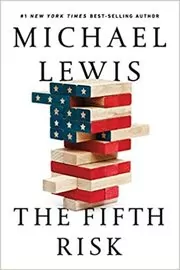
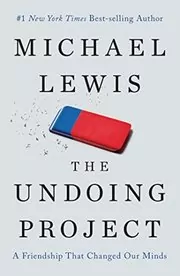
For readers who want leadership lessons about institutional expertise and public responsibility. Lewis shows the costs of neglecting competent administration, though the reporting is centered on US government rather than corporate management techniques.
What it's about
Explores what happens when new political leaders ignore the expertise inside key U.S. agencies, profiling the quiet civil servants at Energy, Agriculture, and Commerce who manage nuclear safety, food programs, and weather data that most citizens never see.

For leaders clarifying the values and experiences that shape their decisions. George and Sims make self-reflection central to development, though the emphasis on prominent leaders offers less help with routine supervisory problems.
What it's about
Bill George and Peter Sims draw on interviews with leaders to explore authentic leadership. Their guide encourages readers to understand their life stories, values, motivations, and support networks in order to lead with a clearer personal sense of purpose.

Man's Search for Meaning
For readers reflecting on responsibility, purpose, and resilience under pressure. Frankl offers profound personal and ethical perspective, though this account of suffering should not be reduced to a workplace motivation technique.
What it's about
Viktor Frankl combines his account of imprisonment in Nazi concentration camps with an introduction to logotherapy. He explores the search for meaning, arguing that purpose and one's response to suffering can remain significant even under extreme circumstances.
Also recommended by
36 people Jordan Peterson recommended this book
Jordan Peterson
Recommended on Jordan Peterson's website.
Jordan Peterson's recommendation of this book  Jocko Willink recommended this book
Jocko Willink
Jocko Willink covered this book in "Jocko Podcast" Ep. 78
Jocko Willink's recommendation of this book  Esther Perel recommended this book
Esther Perel
"The book I’ve probably gifted the most is [this book], since I’m 16." - Esther Perel
Esther Perel's recommendation of this book  Emma Watson recommended this book
Emma Watson
"Loved it. Really loved it." - Emma Watson
Emma Watson's recommendation of this book  Naval Ravikant recommended this book
Naval Ravikant
"Wow it's dark." - Naval Ravikant
Naval Ravikant's recommendation of this book  David Blaine recommended this book
David Blaine
"One of my favorite books." - David Blaine
David Blaine's recommendation of this book +30
More recommendations
- Terry Crews
"Incredible." - Terry Crews
- Jimmy Fallon
"Talks about the meaning of life, and I believe you come out a better person from reading it." - Jimmy Fallon
- Tony Robbins
"Taught me that if you change the meaning, you change everything." - Tony Robbins
- Simon Sinek
"Single most important book you can read." - Simon Sinek
- Michael Gervais
"Outlines methods to discover deep meaning and purpose in life." - Michael Gervais
- Daniel Pink
"A hugely important book for me." - Daniel Pink
- Ev Williams
On the "books read" section of Ev Williams' GoodReads profile.
- Bryan Johnson
"His basic point is no matter the conditions we surround ourselves in, we can author our life." - Bryan Johnson
- Dustin Moskovitz
Dustin Moskovitz recommended this book on Twitter.
- Sam Altman
This book was on Sam Altman's bookshelf.
- Chelsea Handler
"One of those beautiful accounts of a terrible time in our history. His calm and sagaciousness, while witnessing one horror after another played out during his time in three separate concentration camps, is awe inspiring." - Chelsea Handler
- Ryan Holiday
"Looks at how we find purpose by dedicating ourselves to a cause, learning to love and finding a meaning to our suffering." - Ryan Holiday
- Maria Popova
"A meditation on what the gruesome experience of Auschwitz taught [the author] about the primary purpose of life: the quest for meaning, which sustained those who survived." - Maria Popova
- Aniela Gregorek
"A book I have gifted to many people because it changed the way I think about human suffering and grace in life." - Aniela Gregorek
- Fedor Holz
"[From it] I interpreted that we cannot avoid suffering, but we can choose how to cope with it, and that having meaning in our life is essential." - Fedor Holz
- Turia Pitt
"[If people are] doing a bit of soul searching, hands down [I give them this book]." - Turia Pitt
- Chip Conley
"If I were to take the meaning of [this book], and turn it into an equation, it would be despair equals suffering minus meaning." - Chip Conley
- Dave Elitch
Dave Elitch mentioned this book on "The Tim Ferriss Show" podcast.
- PewDiePie
"A great tool to help people. [...] In case something really bad happens, I feel like, from reading this book, I'm better equipped to handle it." - PewDiePie
- Shane Parrish
"As hard as you think your life is, it pales in comparison to Auschwitz." - Shane Parrish
- Phil Jackson
"An important book for me." - Phil Jackson
- Tom Bilyeu
Tom Bilyeu recommended this book on his website.
- Lex Fridman
"I reread [this book] quite often." - Lex Fridman
- Mark Manson
Mark Manson recommended this book on his website.
- Alastair Humphreys
"Slim but packed with wisdom that I often come back to. I really recommend you read it." - Alastair Humphreys
- Steve Kerr
"Incredibly inspiring." - Steve Kerr
- Robin Black
"One of the great books ever written exists because of one of the worst times in human history. From suffering comes beauty." - Robin Black
- Jim Kwik
"Illustrates that it’s not our circumstances but the decisions we make that diminish or develop us." - Jim Kwik
- Michael Hyatt
Michael Hyatt recommended this book on his website.
- Patrick Bet-David
Patrick Bet-David recommended this book on his website.
- Terry Crews

For leaders deciding how to respond to emerging markets and technologies. Christensen explains why apparently sensible management can miss disruptive threats, though identifying true disruption in advance is harder than applying the label afterward.
What it's about
Christensen examines why established companies can lose market leadership despite serving customers well and following sound management practices. Through industry examples, he explains disruptive innovation and considers how organizations can respond to emerging technologies and initially smaller markets.
Also recommended by
18 people- Jeff Bezos recommended this book
Jeff Bezos
Part of "Jeff's Reading List."
Jeff Bezos's recommendation of this book  Steve Jobs recommended this book
Steve Jobs
Walter Isaacson said Steve Jobs was deeply influenced by this book.
Steve Jobs's recommendation of this book  Mark Cuban recommended this book
Mark Cuban
Mark Cuban's answer to "what's a book you always recommend?"
Mark Cuban's recommendation of this book  Marc Benioff recommended this book
Marc Benioff
"We often referenced [this book. A] thought-provoking [book] that validated our crusade." - Marc Benioff
Marc Benioff's recommendation of this book  Ben Horowitz recommended this book
Ben Horowitz
"A great book on strategy." - Ben Horowitz
Ben Horowitz's recommendation of this book - Drew Houston recommended this book
Drew Houston
"About how businesses get disrupted, and a lot of those themes are why startups can succeed and thrive even when there are big competitors who you would think would just wipe ’em out." - Drew Houston
Drew Houston's recommendation of this book +12
More recommendations
- Aaron Levie
"[One of] four good books that I would highly recommend reading if you're gonna build a B2B software company." - Aaron Levie
- Ev Williams
On the "books read" section of Ev Williams' GoodReads profile.
- Max Levchin
One of Max Levchin's answers to "what's your favourite business book you'd advise to young entrepreneurs?"
- Tim O’Reilly
"[A] business classic." - Tim O’Reilly
- Caterina Fake
"A must-read for entrepreneurs." - Caterina Fake
- Guy Kawasaki
"Taught me why it’s so hard to come up with a second hit." - Guy Kawasaki
- Bill Gurley
"All entrepreneurs should read." - Bill Gurley
- Blake Scholl
"Everyone talks about it, I wonder how many people actually read it. You should actually read it." - Blake Scholl
- Chris Dixon
Chris Dixon recommended this book on Twitter.
- Marc Andreessen
"Really critical to understanding how this industry works." - Marc Andreessen
- Michael Bloomberg
"An insightful analysis of changing technology and its importance to a company's future success." - Michael Bloomberg
- Steve Blank
"The foundational read for managing disruptive innovation." - Steve Blank
- Aaron Levie
Sources
- 1
Top 20 Leadership Books of All Time
summary.com
- 2
25 Inspiring Leadership Books to Read in 2026
peoplemanagingpeople.com
- 3
10 Leadership Books to Grow Your Professional Life: Your 2026 Guide
coursera.org
- 4
25 Best Leadership Books for Managers & HR Leaders (2026)
hrshelf.com
- 5
Leadership Books
goodreads.com
- 6
Best Leadership Books: 29 of the Most Impactful Reads
betterup.com
- 7
20 Must-Read Books for Aspiring Leaders and Managers
greatworklife.com
- 8
Compilation of Recommended Leadership Books
reddit.com
- 9
Best Leadership Books: 8 Essential Reads You Need In Your Library
forbes.com
- 10
Top 25 Leadership Books
store.hbr.org




Edited by
Software engineer whose passion for tracking book recommendations from podcasts inspired the creation of MRB.
Lead investor at 3one4 Capital whose startup expertise and love for books helped shape MRB and its growth.
Comments
Spotted a missing book, a wrong order or a mistake? Tell us and we'll fix this page.
We're a reading guide, not the author or publisher, so we can't send books or pass on messages.