
14 Best Emotional Intelligence Books
The best emotional intelligence books, ranked by how many expert sources recommend each one, with notes on who each suits, from beginners to team leaders.
Our take
Emotional intelligence concerns noticing feelings, understanding their influence, and responding to yourself and other people with greater awareness. These books approach that work from several directions: broad explanations, practical exercises, communication skills, parenting, and leadership. The most useful choice depends on the setting where you want to practice, rather than finding a single score or label for your personality.
Emotional Intelligence introduces Daniel Goleman’s popular framework, while Emotional Intelligence 2.0 places more emphasis on strategies. Permission to Feel and Atlas of the Heart help build a more precise language for emotional experience. Emotional Agility focuses on relating flexibly to difficult feelings and acting on values. Parents can turn to Building Emotional Intelligence, while The EQ Difference and Primal Leadership address workplace settings. Start with Permission to Feel for emotional literacy, or Emotional Intelligence if you want the broader argument before choosing a practical focus.
14 books · 6 sources · Last updated
As an Amazon Associate, we earn from qualifying purchases (at no extra cost to you).
How to choose from this list
Skip to the full rankingIf you’re new to the topic: Emotional Intelligence → Emotional Intelligence 2.0
If you want to name feelings more clearly: Permission to Feel → Atlas of the Heart
If you want more flexible responses: Emotional Agility
If you’re supporting children: Building Emotional Intelligence
If you want better communication: The Language of Emotional Intelligence
If you’re applying the ideas at work: Working with Emotional Intelligence → The EQ Difference → Primal Leadership
The 14 books, ranked
Ranked by how many expert sources name each book. Ties go to the book more people recommend.

For readers who want the influential popular explanation of emotional intelligence before choosing exercises. Its range connects emotions with relationships, education, and work, though the broad framework and older research need separating from claims about any individual’s abilities.
What it's about
Daniel Goleman explores how understanding and managing emotions affects people's lives and relationships. He broadens the discussion of intelligence beyond IQ, considering the role of emotional abilities in personal development, education, and work.
Also recommended by
4 people Drew Houston recommended this book
Drew Houston
"It’s nonfiction, but it spelled out something that I just didn’t know you could kind of break down in a logical way. And, suddenly, I had this understanding about the world that I didn’t have before." - Drew Houston
Drew Houston's recommendation of this book  Jack Kornfield recommended this book
Jack Kornfield
Jack Kornfield mentioned this book on "The Tim Ferriss Show" podcast.
Jack Kornfield's recommendation of this book  Sharon Salzberg recommended this book
Sharon Salzberg
Sharon Salzberg mentioned this book on "The Tim Ferriss Show" podcast.
Sharon Salzberg's recommendation of this book  Patrick Bet-David recommended this book
Patrick Bet-David
Patrick Bet-David recommended this book on his website.
Patrick Bet-David's recommendation of this book

Emotional Intelligence 2.0
For readers who prefer an action-oriented approach organized around four emotional skills. Its strategies make it easier to choose something to practice, though self-assessment and brief exercises offer a limited picture without honest feedback and sustained effort.
What it's about
Travis Bradberry and Jean Greaves present a practical approach to emotional intelligence built around four skills: self awareness, self management, social awareness, and relationship management. Strategies and an action plan connect these skills with everyday interactions and work.

Atlas of the Heart
Mapping Meaningful Connection and the Language of Human Experience
For readers who struggle to distinguish and describe what they feel. Its wide emotional vocabulary supports reflection and conversation, though the illustrated, concept-centered format offers less of a sequential practice program than a workbook.
What it's about
Organized around eighty‑seven emotions and experiences, this book maps the language of the heart. Brown explains what each feeling signals and how naming our inner world can deepen self‑understanding, strengthen relationships, and support meaningful connection.
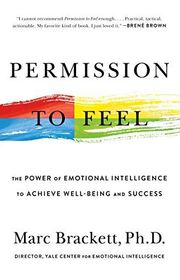
Permission to Feel
For readers who want to notice, name, and work with emotions more deliberately. Its RULER framework connects personal experience with practical emotional literacy, though applying it in families or schools requires ongoing practice and shared support.
What it's about
Marc Brackett combines personal experience with his work on emotional intelligence to explain the RULER approach. The book explores recognizing, understanding, labeling, expressing, and regulating emotions, with applications for children, adults, families, and schools.
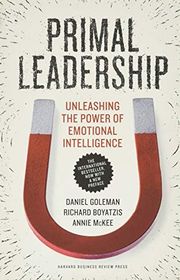
Primal Leadership: Unleashing the Power of Emotional Intelligence
For leaders who want to examine how their behavior affects a team’s emotional climate. Its focus on leadership styles makes the organizational application clear, though the framework needs adapting to context and does not replace sound management decisions.
What it's about
Daniel Goleman, Richard Boyatzis, and Annie McKee connect emotional intelligence with leadership and organizational life. They discuss leadership styles, the emotional climate leaders create, and approaches to developing more effective relationships within teams and institutions.
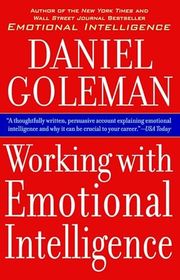
Working with Emotional Intelligence
For readers who want Goleman’s emotional intelligence framework applied to work. Its focus on competencies and organizational examples connects the theory with professional behavior, though broad claims about performance deserve scrutiny and examples reflect an older business context.
What it's about
Daniel Goleman extends his discussion of emotional intelligence into the workplace. He examines emotional competencies, their proposed relationship with professional performance, and ways individuals and organizations can develop abilities such as self-awareness, motivation, empathy, and social skill.

For readers who want emotional self-management within a broader framework of responsibility and cooperation. Its principles connect relationships with long-term choices, though much of the book concerns general effectiveness rather than emotional intelligence specifically.
What it's about
Stephen Covey presents seven habits for personal effectiveness, connecting individual responsibility with cooperation and continual renewal. His framework emphasizes principles such as integrity, fairness, and service in approaching relationships, decisions, and goals at work and home.
Also recommended by
12 people Dave Ramsey recommended this book
Dave Ramsey
Recommended on Dave Ramsey's website.
Dave Ramsey's recommendation of this book  Daniel Pink recommended this book
Daniel Pink
Daniel Pink mentioned this book on "The Tim Ferriss Show" podcast.
Daniel Pink's recommendation of this book  Ken Block recommended this book
Ken Block
"[Also] helped me really be successful." - Ken Block
Ken Block's recommendation of this book  Dustin Moskovitz recommended this book
Dustin Moskovitz
"[I] was surprised at how familiar the topics felt." - Dustin Moskovitz
Dustin Moskovitz's recommendation of this book  Noah Kagan recommended this book
Noah Kagan
"Begin with the end in mind." - Noah Kagan
Noah Kagan's recommendation of this book  Kishore Biyani recommended this book
Kishore Biyani
"Immensely helpful and influential during my early years, it explained some of the basic mindsets required to succeed in any profession." - Kishore Biyani
Kishore Biyani's recommendation of this book +6
More recommendations
- Michael McCullough
"Helps you decide which action to actually take." - Michael McCullough
- Shay Carl
Shay Carl referenced this book on "The Tim Ferriss Show" podcast.
- Jenn Im
"Has changed my life in such a positive way." - Jenn Im
- Jim Kwik
"This personal development classic is a classic for a reason." - Jim Kwik
- Michael Hyatt
Michael Hyatt recommended this book on his website.
- Ben Greenfield
Most Recommended Books reached out to Ben Greenfield directly.
- Michael McCullough
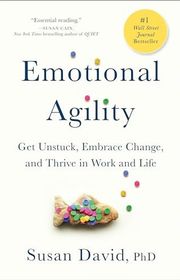
For readers who want to respond to difficult feelings without being governed by them. Its emphasis on values and flexible action gives emotion regulation a practical direction, though the ideas require repeated application rather than a quick mindset shift.
What it's about
Susan David examines how people relate to thoughts, emotions, and habitual self-talk. Her approach encourages acknowledging difficult experiences, loosening their hold, clarifying values, and choosing actions that better fit the person’s circumstances and priorities.

For readers who want to examine how interpretations shape emotional reactions. Its cognitive exercises offer a direct way to question unhelpful thinking, though the approach emphasizes individual responses and may underplay the surrounding situation.
What it's about
Michael Cornwall examines how interpretations of events influence emotional reactions. Cognitive skill building exercises guide readers in recognizing their own and others' feelings, questioning self defeating thinking, and responding to emotions more deliberately.

For employees and managers who want emotional intelligence tied to workplace behavior. Its assessments and team exercises make organizational practice concrete, though useful results depend on participation and a workplace that supports honest reflection.
What it's about
Adele Lynn brings emotional intelligence into workplace practice through self assessments, team exercises, and examples from organizations. Her guide explores ways employees and leaders can develop these skills in themselves and encourage them in colleagues.

For readers who want examples connecting emotional skills with different occupations and relationships. Its wide scope makes the framework easy to relate to daily life, though assessment-based categories should not become fixed labels or promises of success.
What it's about
Steven Stein and Howard Book explore emotional intelligence in professional and personal life. Examples from different occupations and relationships examine how emotional skills relate to confidence, leadership, cooperation, and responses to challenges.

The Language of Emotional Intelligence
The Five Essential Tools for Building Powerful and Effective Relationships
For readers whose main goal is understanding others and staying engaged during difficult conversations. Its attention to nonverbal cues connects emotional awareness with communication, though the tools take practice and cannot make every relationship cooperative.
What it's about
Jeanne Segal connects emotional intelligence with communication in family, friendship, and work relationships. Tools and exercises address remaining calm during conflict, recognizing other people's feelings, and using nonverbal cues to build understanding.

How To Win Friends and Influence People
For readers who want practical reminders about attention, appreciation, and everyday interaction. Its accessible social principles complement more emotion-focused books, though the older anecdotes and emphasis on influence provide less depth on understanding your own feelings.
What it's about
Carnegie presents practical guidance for building relationships, communicating effectively, and influencing others. Stories and principles explore social confidence, leadership, and cooperation, offering approaches readers can apply to interactions in their personal lives and at work.
Also recommended by
18 people Warren Buffett recommended this book
Warren Buffett
"In my office, you will not see the degree I have from the University of Nebraska, or the master’s degree I have from Columbia University, but you’ll see the certificate I got from the Dale Carnegie course." - Warren Buffett
Warren Buffett's recommendation of this book  Scott Adams recommended this book
Scott Adams
One of the books on Scott Adams' "Persuasion Reading List."
Scott Adams's recommendation of this book - Dave Ramsey recommended this book
Dave Ramsey
Recommended on Dave Ramsey's website.
Dave Ramsey's recommendation of this book  Paul Graham recommended this book
Paul Graham
"The one book we encourage startup founders to read. [...] It's critically important for anyone in business." - Paul Graham
Paul Graham's recommendation of this book  Derek Sivers recommended this book
Derek Sivers
Derek Sivers mentioned this book on "The Tim Ferriss Show" podcast.
Derek Sivers's recommendation of this book - Dustin Moskovitz recommended this book
Dustin Moskovitz
"Seek to be understood." - Dustin Moskovitz
Dustin Moskovitz's recommendation of this book +12
More recommendations
- Ken Block
"One of the first books that really helped me achieve my management style and what’s helped me really be successful." - Ken Block
- DJ Vlad
Most Recommended Books reached out to DJ Vlad directly.
- Strauss Zelnick
"Archaic references and overweening title to the side, it’s actually a great guide to leadership and salesmanship." - Strauss Zelnick
- Daymond John
"I love all the Dale Carnegie books." - Daymond John
- Shay Carl
"A staple that I have listened to three or four times." - Shay Carl
- Tim Draper
"[One of the books] that are recommended or required at Draper University." - Tim Draper
- Sahil Lavingia
Sahil Lavingia recommended this book on Notion.
- Barbara Corcoran
"A must read for anyone in business." - Barbara Corcoran
- Alex Hormozi
Alex Hormozi recommended this book on Instagram.
- Michael Hyatt
Michael Hyatt recommended this book on his website.
- Ben Greenfield
Most Recommended Books reached out to Ben Greenfield directly.
- Patrick Bet-David
Patrick Bet-David recommended this book on his website.
- Ken Block

For parents, educators, and caregivers helping children practice attention and emotional awareness. Its age-organized activities make the audience clear, though children need patient adult support and the exercises are not a substitute for addressing significant difficulties.
What it's about
Linda Lantieri offers age-organized practices for helping children develop emotional awareness and resilience. Designed for parents, educators, and caregivers, the exercises address calming the body, focusing attention, understanding emotions, and strengthening empathy and communication.
Sources
- 1
19 Best Books on Emotional Intelligence
choosingtherapy.com
- 2
22 Best Emotional Intelligence Books to Improve EQ
positivepsychology.com
- 3
10 Books Which Can Boost Your EQ
lifehack.org
- 4
Emotional Intelligence Books
goodreads.com
- 5
Book recommendation?
reddit.com
- 6
What's the best book on emotional intelligence that you've read?
reddit.com


Edited by
Software engineer whose passion for tracking book recommendations from podcasts inspired the creation of MRB.
Lead investor at 3one4 Capital whose startup expertise and love for books helped shape MRB and its growth.
Comments
Did we miss something? Have feedback?
Help us improve this page by sharing your thoughts