
24 Best Design Books
The best design books, ranked by how many expert sources recommend each one, with notes on who each book suits and where to start building your design skills.
Our take
Design books can teach you to see more carefully, make clearer decisions, and explain your work to other people. This selection leans toward graphic design: typography, grids, color, branding, and professional practice. Some books work like courses, others like references, and some are best opened when you need a different way of looking at a problem.
Begin with Graphic Design: The New Basics for visual principles and Thinking with type for typography. Grid Systems in Graphic Design offers a disciplined approach to layout, while Interaction of Color asks you to learn through experiments. For identity work, Designing Brand Identity and Branding connect visual choices with strategy. How To shows decisions unfolding in projects, and The Art of Looking Sideways encourages curiosity beyond a brief. Choose one practical book to use alongside your own work, then add a reference when a specific question arises.
24 books · 6 sources · Last updated
As an Amazon Associate, we earn from qualifying purchases (at no extra cost to you).
How to choose from this list
Skip to the full rankingIf you're new to graphic design: Graphic Design: The New Basics → Thinking with type
If you want stronger layouts: Grid Systems in Graphic Design → Making and Breaking the Grid
If you want to understand color: Interaction of Color → The Designer's Dictionary of Color
If you want to develop brand identities: Designing Brand Identity → Branding → Logo Design Love
If you're entering professional practice: How to Be a Graphic Designer without Losing Your Soul → Design Is a Job
If you want fresh visual ideas: How To → The Art of Looking Sideways
The 24 books, ranked
Ranked by how many expert sources name each book. Ties go to the book more people recommend.

For designers learning how type choices shape reading. Lupton balances visual examples with usable explanations more accessibly than a specialist reference, though you will still need practice to turn recognition into confident typographic judgment.
What it's about
Ellen Lupton explains typography through the design of letters, text, and grids. Examples and exercises explore type selection, spacing, hierarchy, and layout, helping designers, writers, and editors understand how typographic choices shape reading on pages and screens.
Also recommended by
1 person Shane Parrish recommended this book
Shane Parrish
"The foundational book that’s used around the world." - Shane Parrish
Shane Parrish's recommendation of this book

The Design of Everyday Things
For anyone who wants to understand why products confuse people. Norman makes usability a question of design responsibility, though the focus on interaction gives less direct help with graphic composition, typography, or visual style.
What it's about
Don Norman examines why everyday objects can be difficult to use, locating many failures in design rather than their users. He connects human psychology with product design to explain how objects can better support understandable interaction.
Also recommended by
4 people Scott Adams recommended this book
Scott Adams
One of the books on Scott Adams' "Persuasion Reading List."
Scott Adams's recommendation of this book  Jeff Atwood recommended this book
Jeff Atwood
"Will give you a new appreciation of the 'devil in the details.'" - Jeff Atwood
Jeff Atwood's recommendation of this book  Tobi Lütke recommended this book
Tobi Lütke
Tobi Lütke mentioned this book on the "Invest Like the Best" podcast.
Tobi Lütke's recommendation of this book  Marissa Mayer recommended this book
Marissa Mayer
"Makes you think about design in new ways." - Marissa Mayer
Marissa Mayer's recommendation of this book
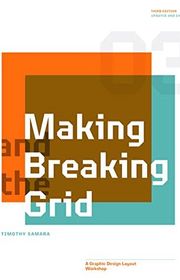
Making and Breaking the Grid
For designers who want structure without treating every layout as a rigid formula. Samara pairs grid foundations with ways to depart from them, though the many examples reward close analysis rather than quick copying.
What it's about
Timothy Samara explains grid structures and methods for using or departing from them in graphic layouts. The third edition combines historical context, construction methods, and project examples, including interactive applications and a wider range of design traditions.

For designers and teammates who need a shared process for building a brand. Its structured breadth connects strategy with implementation, though the reference format is more useful during a project than as a quick introductory read.
What it's about
Alina Wheeler presents a structured process for creating, implementing, and maintaining brand identities. Combining design principles with examples and case studies, the guide moves from research and strategy through visual development, application, launch, and ongoing management.
Also recommended by
5 people Patrick Bet-David recommended this book
Patrick Bet-David
Patrick Bet-David recommended this book on his website.
Patrick Bet-David's recommendation of this book  Jack Ma recommended this book
Jack Ma
Jack Ma always carries a copy of this book.
Jack Ma's recommendation of this book  John Collison recommended this book
John Collison
John Collison recommended this book.
 Patrick Collison recommended this book
Patrick Collison
"It's excellent: exceptionally data-rich and comprehensive." - Patrick Collison
Patrick Collison's recommendation of this book  David Friedberg recommended this book
David Friedberg
David Friedberg recommended this book.
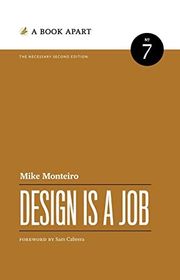
Design Is a Job: The Necessary Second Edition
For designers who need to handle clients, money, and professional responsibility more confidently. Monteiro gives the business side of design direct attention, though the blunt voice and strong opinions may not suit every reader.
What it's about
Mike Monteiro examines the professional responsibilities that surround design work, including finding clients, discussing money, presenting decisions, and maintaining working relationships. This revised edition updates his argument that designers must understand the business and consequences of their work.

For students who prefer a broad, organized introduction with practical assignments. It connects visual principles with production concerns, though the wide coverage limits depth and software or output details may date faster than the fundamentals.
What it's about
This graphic design textbook moves from core principles to practical projects for print and digital media. Lessons and examples cover typography, color, layout, production, websites, and applications, with assignments and case studies connecting visual decisions to professional working methods.

Grid Systems in Graphic Design
A Visual Communication Manual for Graphic Designers, Typographers and Three Dimensional Designers
For designers ready to organize complex layouts with more discipline. Its systematic examples give grids unusual depth, though the strict presentation and modernist emphasis work best when paired with more exploratory approaches.
What it's about
Josef Müller-Brockmann explains how to construct and apply grids in visual communication, including two-dimensional layouts and three-dimensional design. Illustrations and practical examples connect systematic organization with aesthetic decisions, providing a working reference for designers and students.

How To
For designers who learn by seeing how real projects develop. Bierut connects decisions with clients and context, though the case studies offer a practitioner's perspective rather than a sequence of exercises you can follow.
What it's about
Michael Bierut presents projects from his graphic design career, tracing their development from early sketches to finished work. Case studies explore brand identities, inspiration, and client relationships, revealing the reasoning and collaboration behind recognizable visual solutions.

How to Be a Graphic Designer without Losing Your Soul
For designers entering professional life or reassessing their independence. Shaughnessy treats career choices and creative values together, though the industry examples show their age and need translating to current working arrangements.
What it's about
Adrian Shaughnessy offers practical guidance on building a graphic design career while retaining creative independence. Professional skills, business decisions, design thinking, and ethical responsibilities are explored through advice and interviews that connect daily work with broader changes in the profession.

For new designers who want candid guidance about finding a place in the profession. Oldham gives uncertainty and personal development room alongside career advice, though the informal opinions are less useful as a technical reference.
What it's about
Craig Oldham offers candid advice for graphic designers entering professional life. Drawing on his experience, he addresses education, portfolios, finding work, freelancing, creative processes, and personal development, with an informal account of the challenges beyond design school.

100 Ideas that Changed Graphic Design
For readers who want a compact route through graphic design history. The idea-by-idea structure makes it easy to browse and connect visual changes, though it gives less context than a continuous historical account.
What it's about
Steven Heller and Véronique Vienne examine a hundred developments that shaped graphic communication, from printing techniques to visual conventions. Historical examples show how designers have used typography, imagery, space, and technology to change the way messages look.

100 Years of Swiss Graphic Design
For designers interested in the development of Swiss visual communication. Its range provides historical context beyond familiar grid examples, though the substantial survey serves study and reference better than immediate practical instruction.
What it's about
This illustrated survey traces a century of Swiss graphic design through typography, posters, photography, corporate identities, and publications. Essays, timelines, and selected works place designers and movements within the country’s cultural history and their wider international influence.

For designers who want to connect visual identity with a clear strategic argument. Johnson makes the transition from words to images especially useful, though the substantial illustrated process asks for more attention than a logo handbook.
What it's about
Michael Johnson explains how brands develop from initial investigation and strategic language into visual identities and implementation. Illustrated case studies, questions, and working templates explore positioning, names, typography, and the decisions that connect a business’s purpose with its public expression.

For artists and designers who want an introduction to questions around using and sharing creative work. Its practical framing makes an unfamiliar subject approachable, though legal details vary by jurisdiction and change over time.
What it's about
Eric Schrijver introduces copyright through the practical questions artists encounter when making and sharing work. He explains authorship, protected creations, duration, and reuse across media, while examining the broader debates surrounding intellectual property and creative practice.

Designing Type
For designers ready to examine how letterforms are built. Cheng offers closer formal analysis than a general typography introduction, though the specialist detail will feel excessive if you only need to choose existing fonts.
What it's about
Karen Cheng examines the construction of letterforms and the relationships that make a coherent typeface. Diagrams and examples explain proportions, optical adjustments, legibility, and differences among typographic styles, alongside historical context and methods relevant to designing digital fonts.

For illustrators and designers who want to draw lettering rather than simply select fonts. The sketchbooks and varied examples encourage experimentation, though inspiration and short exercises do not replace sustained practice with letterform fundamentals.
What it's about
Alex Fowkes combines examples of illustrated lettering with interviews, sketchbooks, and practical drawing guidance. Projects across packaging, editorial design, posters, and signage show creative processes, while exercises encourage readers to experiment with serif, sans serif, and script letterforms.

Geometry of Design
For designers curious about proportion and the structure beneath compositions. The visual analyses make geometric relationships easier to see, though relying on those patterns alone will not resolve questions of meaning, audience, or originality.
What it's about
Kimberly Elam reveals geometric proportions underlying graphic design, art, architecture, and everyday objects. Visual analyses and diagrams explain the golden section, root rectangles, and Fibonacci relationships, showing how these structures contribute to composition and the organization of forms.

For beginners who want a visual vocabulary for composition. Lupton and Phillips connect clear examples with core principles, though the concise lessons work best alongside projects rather than as a complete professional training course.
What it's about
Ellen Lupton and Jennifer Cole Phillips introduce the visual principles underlying graphic design through examples and concise explanations. Lessons on scale, hierarchy, grids, color, and other elements help readers understand how compositions organize information and create visual relationships.

Interaction of Color
For designers who want to test how colors change one another. Albers emphasizes observation and experiment more than ready-made palettes, though the lessons demand active work and reproductions cannot convey every subtle relationship.
What it's about
Josef Albers explores how colors influence one another and alter visual perception. Color studies demonstrate relativity, intensity, temperature, boundaries, and illusions of transparency, offering artists and students an experimental approach to understanding color relationships.

For designers who want direct advice about moving work from ideas to production. Its informal working notes make everyday studio questions approachable, though the personal tips are less systematic than a structured course text.
What it's about
Drew de Soto shares practical lessons on generating design ideas, developing concepts, and carrying projects through production. Written in a notebook-like format, the guide also addresses running a design business and working with clients, studios, and suppliers.

For designers developing logo-based identities and client relationships. Airey makes the process tangible through sketches and project experience, though its logo focus leaves less room for the wider organizational work of managing a brand.
What it's about
David Airey follows the creation of logo-based brand identities from the initial brief to finished designs. Client examples, sketches, and practical guidance explore idea generation, pricing, collaboration, and the decisions that turn a visual concept into a recognizable identity.

The Art of Looking Sideways
For designers who want to sharpen curiosity rather than follow a course. Fletcher's unexpected associations reward browsing and revisiting, though the sprawling structure offers few direct answers when you need to finish a specific project.
What it's about
Alan Fletcher assembles images, anecdotes, quotations, jokes, and curious facts into an expansive exploration of visual intelligence. Loosely connected chapters invite readers to reconsider perception, language, patterns, proportion, and creativity through unexpected connections between everyday observations and design.

The Designer's Dictionary of Color
For designers who want color associations and visual examples to prompt new choices. Its browsable organization complements hands-on color studies, though cultural meanings are not universal and examples cannot guarantee the right palette for a brief.
What it's about
Sean Adams explores individual colors through design examples, palette variations, historical uses, and cultural associations. Organized by the spectrum, the book connects color choices with applications in graphic design, art, and everyday visual culture.

The Elements of Typographic Style
For readers ready to refine typography beyond the basics. Bringhurst connects practical decisions with history and aesthetic judgment, though the dense detail and emphasis on book typography make it a slower, more specialized read.
What it's about
Robert Bringhurst combines a practical typography manual with a history of typographic usage and a reference to its concepts and traditions. The illustrated guide connects technical choices with aesthetic judgment, including discussion of typefaces and their historical context.
Sources
- 1
13 Must-Read Graphic Design Books that will Shape Your Career
dribbble.com
- 2
50 essential books every graphic designer should read
creativeboom.com
- 3
What are design books that you recommend everyone to read?
reddit.com
- 4
Design Books
goodreads.com
- 5
100 Best Design Books of All Time
shortform.com
- 6
The best design books to read in 2026
compassofdesign.com


Edited by
Software engineer whose passion for tracking book recommendations from podcasts inspired the creation of MRB.
Lead investor at 3one4 Capital whose startup expertise and love for books helped shape MRB and its growth.
Comments
Spotted a missing book, a wrong order or a mistake? Tell us and we'll fix this page.
We're a reading guide, not the author or publisher, so we can't send books or pass on messages.