
15 Best Art Books
The best art books, ranked by how many expert sources recommend each one, with notes to help you choose art history, artists’ lives, and creative practice.
Our take
Art books can change how you look, explain the conditions in which a work was made, or help you return to making work of your own. Some are best read from beginning to end; others invite browsing, comparison, or practical experiments. A history, a memoir, and an artist’s instruction project offer different kinds of encounter.
The Story of Art gives a narrative introduction, while The Art Book introduces individual artists through selected works. Ways of Seeing asks how context and assumptions shape what we notice. For artists, Art & Fear and The Art Spirit address the experience of making work, and The Artist’s Guide turns toward its professional demands. Just Kids offers a personal account of artistic life, while the monographs and project histories provide closer views of particular practices.
Start with a broad survey if you want orientation, a book about looking if you want to question your response, or a practice-focused title if you want to make something.
15 books · 9 sources · Last updated
As an Amazon Associate, we earn from qualifying purchases (at no extra cost to you).
How to choose from this list
Skip to the full rankingIf you want an introductory history: The Story of Art
If you prefer browsing images and artists: The Art Book
If you want to question how you look: Ways of Seeing
If you want to sustain your artmaking: Art & Fear → The Art Spirit
If you want to study color through practice: Interaction of Color
If you need the professional side of art: The Artist's Guide
The 15 books, ranked
Ranked by how many expert sources name each book. Ties go to the book more people recommend.
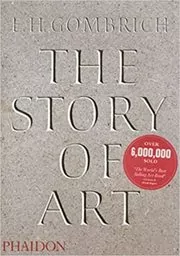
The Story of Art
For beginners who want a readable narrative connecting artworks with changing artistic problems. Its sustained explanations provide more context than a browsing survey, though the older, predominantly Western canon leaves important artists and traditions underrepresented.
What it's about
E. H. Gombrich introduces the history of art through works ranging from ancient images to twentieth-century experiments. He explains how artists responded to changing purposes, techniques, and traditions, encouraging readers to understand individual works within their historical circumstances.
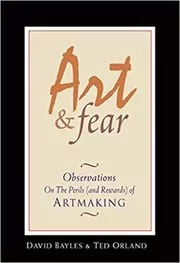
For artists whose doubts and expectations interfere with making work. Its attention to ordinary creative persistence offers a practical companion to technique books, though it provides reflection rather than instruction in a particular medium.
What it's about
David Bayles and Ted Orland examine the fears and practical difficulties that interrupt creative work. Drawing on their experiences as artists, they explore persistence, uncertainty, expectations, and the reasons people abandon art, emphasizing the everyday process of making it.
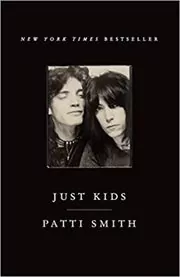
Just Kids
For readers interested in how artistic lives develop through friendship, work, and a particular place. Its intimate memoir gives the art world a human scale, though it is neither a balanced biography nor a guide to making art.
What it's about
A legendary memoir of New York City in the late sixties and seventies. Smith chronicles her intense friendship and romance with photographer Robert Mapplethorpe as they both navigate poverty, youth, and the path to becoming artists.
Also recommended by
3 people Emma Watson recommended this book
Emma Watson
"I have had [this book] on my bedside forever." - Emma Watson
Emma Watson's recommendation of this book  Seth Godin recommended this book
Seth Godin
"It is not going to change the way you do business but it might change the way you live." - Seth Godin
Seth Godin's recommendation of this book  Shauna Niequist recommended this book
Shauna Niequist
Shauna Niequist recommended this book on Twitter.
Shauna Niequist's recommendation of this book
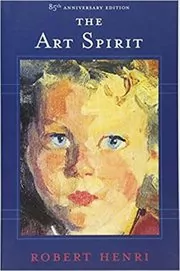
The Art Spirit
For artists interested in a teacher’s reflections on observation, individuality, and working habits. Its combination of practical advice and artistic convictions rewards revisiting, though the fragmentary form and period language can make sustained reading uneven.
What it's about
This collection brings together Robert Henri's teachings, reflections, and advice about making art. Practical observations on painting sit alongside ideas about creativity, inspiration, individuality, and the place of artists in society.
Also recommended by
2 people Jack Dorsey recommended this book
Jack Dorsey
"About creativity through the lens of an art student." - Jack Dorsey
Jack Dorsey's recommendation of this book  Ron Conway recommended this book
Ron Conway
"Notes, articles, fragments of letters and talks to students, bearing on the concept and technique of picture making, the study of art generally, and on appreciation." - Ron Conway
Ron Conway's recommendation of this book
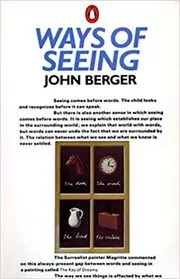
Ways of Seeing
For readers who want to examine the assumptions behind viewing images. Its essays connect art with reproduction, ownership, and representation, though the concise, argumentative format offers a perspective to question rather than a comprehensive history.
What it's about
Based on the BBC television series, John Berger's illustrated book examines how people look at art and interpret images. He questions familiar assumptions about paintings and explores the relationship between visual experience and what viewers already know.
Also recommended by
1 person Dave Elitch recommended this book
Dave Elitch
Dave Elitch mentioned this book on "The Tim Ferriss Show" podcast.
Dave Elitch's recommendation of this book
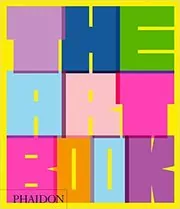
The Art Book
For readers who want an illustrated book to browse and return to. Its artist-by-artist structure encourages discoveries across periods, though it supplies less chronological explanation than a narrative history and varies in scope by edition.
What it's about
An alphabetical survey introduces more than 600 artists from medieval times to the present through individual artworks and accessible commentary. Painting, sculpture, photography, and newer media appear together, encouraging comparisons across periods, styles, and artistic traditions.
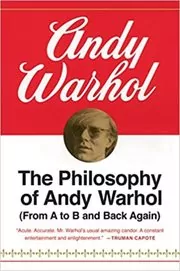
For readers curious about Warhol’s voice and the relationship between celebrity, commerce, and everyday life. Its idiosyncratic reflections provide something a survey cannot, though it is a performed personal perspective rather than a systematic account of his art.
What it's about
Andy Warhol reflects on love, beauty, money, work, fame, and everyday life in this autobiographical collection. Memories of childhood and New York mingle with observations on celebrity and success, revealing his idiosyncratic perspective on American culture and himself.
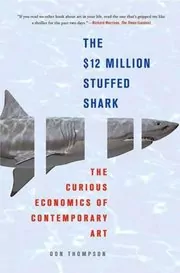
For readers curious about how contemporary artworks acquire extraordinary prices. Its market-focused reporting offers a different view from histories and artist memoirs, though the examples belong to a particular period and do not explain artistic value by themselves.
What it's about
Don Thompson investigates the economics and psychology behind high prices for contemporary art. Interviews with dealers, collectors, and auction houses inform his examination of branding, sales procedures, and the motives that influence how artworks acquire financial value.
Also recommended by
3 people Vinod Khosla recommended this book
Vinod Khosla
"A look at the economics and the marketing strategies that enable the modern art market to generate such astronomical prices." - Vinod Khosla
Vinod Khosla's recommendation of this book  Brianne Kimmel recommended this book
Brianne Kimmel
Brianne Kimmel recommended this book on Twitter.
Brianne Kimmel's recommendation of this book  Trung Phan recommended this book
Trung Phan
"About the Contemporary Art industry." - Trung Phan
Trung Phan's recommendation of this book
Interaction of Color
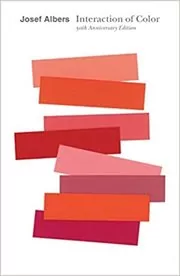
For artists and designers who want to learn color through close comparison and experiment. Its exercises make perception central to understanding color relationships, though the book rewards active study and reproductions differ across editions.
What it's about
Josef Albers explores how colors influence one another and alter visual perception. Color studies demonstrate relativity, intensity, temperature, boundaries, and illusions of transparency, offering artists and students an experimental approach to understanding color relationships.
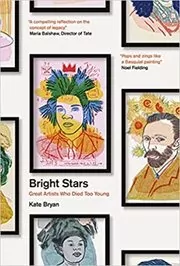
For readers who want compact portraits of artists rather than a chronological survey. Its focus on short lives draws attention to varied careers and legacies, though that organizing premise can place tragedy ahead of fuller artistic context.
What it's about
Kate Bryan profiles thirty artists whose lives ended before they reached forty, considering how short careers produced lasting artistic influence. Stories of figures including Basquiat, Raphael, and Francesca Woodman examine creativity, recognition, and the uneven formation of cultural legacies.
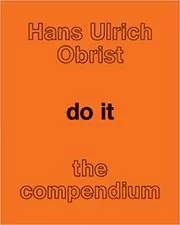
For readers who want to participate in artworks through instructions and interpretation. Its open-ended proposals offer a different encounter from reproductions or criticism, though it makes more sense through experimentation than as a conventional history to read straight through.
What it's about
Edited by Hans Ulrich Obrist, this compendium gathers artists' written instructions for artworks that others can realize and reinterpret. Contributions and historical context trace an evolving exhibition project built around participation, flexible formats, and the possibilities of repeated enactment.

For readers interested in contemporary art outside conventional gallery settings. Its record of rural and site-specific projects gives place and collaboration particular attention, though the focus on one organization makes it a specialized account rather than a broad survey.
What it's about
Tom Jeffreys and Anne de Charmant document Meadow Arts' first twenty years of presenting contemporary art in unexpected places. Interviews, essays, photographs, and artists' contributions explore projects in rural settings, historic buildings, and community spaces beyond conventional galleries.
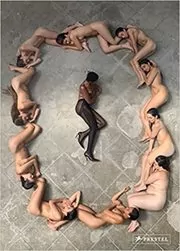
For readers drawn to staged photography, bodies, and collective performance. Its concentration on one photographer’s visual language offers depth beyond a survey, though it is primarily an image-led monograph rather than a historical or technical introduction.
What it's about
Carlota Guerrero gathers photographs and performance imagery exploring femininity, gender, the body, nature, and human connection. The collection traces her developing visual language through personal projects and collaborations, accompanied by her introduction and texts from creative partners.
For visual artists who need help organizing the professional side of their practice. Its planning exercises and practical examples address work beyond the studio, though markets, platforms, and funding opportunities have changed since publication.
What it's about
Jackie Battenfield offers practical guidance for building a career in the visual arts. Exercises, examples, and interviews address planning, portfolios, grants, promotion, and professional relationships, connecting artistic ambitions with the organizational work required to support them.
For readers who want a dedicated space for Cameron’s daily private writing practice. This companion journal supports an existing routine, though it is not the main Artist’s Way course and offers much less instruction or reading material.
What it's about
Julia Cameron provides a companion journal for the Morning Pages practice introduced in The Artist's Way. An introduction and instructions guide readers in using daily private writing to explore their thoughts, fears, aspirations, and experiences.
Also recommended by
3 people Tim Ferriss recommended this book
Tim Ferriss
"Nearly every morning, I sit down with a hot cocktail of turmeric, ginger, pu-erh tea, and green tea. Next, I crack open [this book]." - Tim Ferriss
Tim Ferriss's recommendation of this book  Brian Koppelman recommended this book
Brian Koppelman
"The closest thing to magic I’ve come across. That if you really do it every day in a real disciplined practice, something happens to your subconscious that allows you to get your most creative place." - Brian Koppelman
Brian Koppelman's recommendation of this book  Russell Brand recommended this book
Russell Brand
"I love it. A practical, spiritual, nurturing book." - Russell Brand
Russell Brand's recommendation of this book
Sources
- 1
100 Best Art Books of All Time (Updated for 2026)
shortform.com
- 2
Michael Bracewell's top 10 art books
theguardian.com
- 3
The best art books: From concept art to art history
creativebloq.com
- 4
The best contemporary art books in 2025
wallpaper.com
- 5
Art Books
goodreads.com
- 6
The 9 Books Every Artist Should Have on Their Shelf
artworkarchive.com
- 7
10 More Books Every Artist Should Read
skillshare.com
- 8
What is a really good art book for self taught artists???
reddit.com
- 9
The Best Art Books Ever For The Perfect Christmas Gift
countryandtownhouse.com
Edited by
Software engineer whose passion for tracking book recommendations from podcasts inspired the creation of MRB.
Lead investor at 3one4 Capital whose startup expertise and love for books helped shape MRB and its growth.
Comments
Spotted a missing book, a wrong order or a mistake? Tell us and we'll fix this page.
We're a reading guide, not the author or publisher, so we can't send books or pass on messages.