
23 Best Graphic Design Books
The best graphic design books, ranked by how many expert sources recommend each one, with notes for beginners, designers, and readers refining their craft.
Our take
Graphic design combines visual decisions with a communication problem: what should someone notice, understand, or do? Books can help with both sides of that work. Some explain the foundations of type, color, hierarchy, and layout; others reveal how designers develop ideas, collaborate with clients, or place their work in a longer history.
Graphic Design School offers a broad starting point, while Thinking with Type concentrates on typography. Grid Systems in Graphic Design develops systematic layout, and Making and Breaking the Grid shows how structures can be adapted or disrupted. Interaction of Color asks readers to learn through visual experiments. For project thinking, How To follows real design decisions, and Designing Brand Identity maps a longer branding process. Career books address the professional relationships and business choices behind the finished work.
Start with a foundation text if you are new, then choose the book closest to the next problem you want to solve in your own work.
23 books · 8 sources · Last updated
As an Amazon Associate, we earn from qualifying purchases (at no extra cost to you).
How to choose from this list
Skip to the full rankingIf you’re starting from the basics: Graphic Design for Everyone → Graphic Design School
If you want better typography: Thinking with type → The Elements of Typographic Style
If you want stronger layouts: Grid Systems in Graphic Design → Making and Breaking the Grid
If you want to build brand identities: Logo Design Love → Designing Brand Identity
If you want historical context: 100 Ideas that Changed Graphic Design → Meggs' History of Graphic Design
If you’re preparing for client work: How to Be a Graphic Designer without Losing Your Soul → Work for Money, Design for Love
The 23 books, ranked
Ranked by how many expert sources name each book. Ties go to the book more people recommend.

For designers, writers, and editors who want typography explained through practical visual examples. Lupton makes spacing, hierarchy, and layout approachable, though detailed book typography and type history need more space than this introductory guide provides.
What it's about
Ellen Lupton explains typography through the design of letters, text, and grids. Examples and exercises explore type selection, spacing, hierarchy, and layout, helping designers, writers, and editors understand how typographic choices shape reading on pages and screens.
Also recommended by
1 person Shane Parrish recommended this book
Shane Parrish
"The foundational book that’s used around the world." - Shane Parrish
Shane Parrish's recommendation of this book

For designers and branding teams who need a shared process from research through launch. Wheeler connects visual decisions with strategy and implementation, though the comprehensive framework is more useful for sustained projects than a quick logo exercise.
What it's about
Alina Wheeler presents a structured process for creating, implementing, and maintaining brand identities. Combining design principles with examples and case studies, the guide moves from research and strategy through visual development, application, launch, and ongoing management.
Also recommended by
5 people Patrick Bet-David recommended this book
Patrick Bet-David
Patrick Bet-David recommended this book on his website.
Patrick Bet-David's recommendation of this book  Jack Ma recommended this book
Jack Ma
Jack Ma always carries a copy of this book.
Jack Ma's recommendation of this book  John Collison recommended this book
John Collison
John Collison recommended this book.
 Patrick Collison recommended this book
Patrick Collison
"It's excellent: exceptionally data-rich and comprehensive." - Patrick Collison
Patrick Collison's recommendation of this book  David Friedberg recommended this book
David Friedberg
David Friedberg recommended this book.

Grid Systems in Graphic Design
A Visual Communication Manual for Graphic Designers, Typographers and Three Dimensional Designers
For designers who want a disciplined method for organizing type, images, and space. Müller-Brockmann explains grid construction with working examples, though the systematic approach needs adaptation when a project calls for a looser visual language.
What it's about
Josef Müller-Brockmann explains how to construct and apply grids in visual communication, including two-dimensional layouts and three-dimensional design. Illustrations and practical examples connect systematic organization with aesthetic decisions, providing a working reference for designers and students.

How to Be a Graphic Designer without Losing Your Soul
For emerging designers who want to understand the profession as well as the craft. Shaughnessy addresses clients, business choices, and creative independence, though some industry details reflect the period in which the advice was written.
What it's about
Adrian Shaughnessy offers practical guidance on building a graphic design career while retaining creative independence. Professional skills, business decisions, design thinking, and ethical responsibilities are explored through advice and interviews that connect daily work with broader changes in the profession.
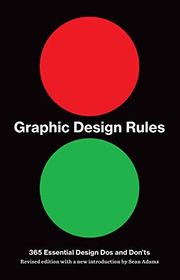
Graphic Design Rules
For students and working designers who want short prompts for checking everyday choices. The varied rules make a convenient desk reference, though the authors’ opinions need to be weighed against the purpose and audience of each project.
What it's about
Tony Seddon and his coauthors present a collection of practical graphic-design dos and don’ts. Brief entries address common choices involving typography, grids, and visual communication, turning studio experience into reminders intended for students, professionals, and occasional designers.

How To
For readers who want to see how design decisions develop inside real projects. Bierut connects sketches, client relationships, and finished identities, though the case studies offer inspiration and judgment rather than a sequence of technical lessons.
What it's about
Michael Bierut presents projects from his graphic design career, tracing their development from early sketches to finished work. Case studies explore brand identities, inspiration, and client relationships, revealing the reasoning and collaboration behind recognizable visual solutions.

Interaction of Color
For designers willing to learn color by comparing and making studies. Albers develops sensitivity to relationships rather than a fixed palette formula, though the value comes from doing the exercises instead of browsing the images alone.
What it's about
Josef Albers explores how colors influence one another and alter visual perception. Color studies demonstrate relativity, intensity, temperature, boundaries, and illusions of transparency, offering artists and students an experimental approach to understanding color relationships.

For readers who need encouragement to develop a regular creative practice and learn from influences. Kleon’s brief illustrated lessons are easy to revisit, though they offer habits and perspective rather than instruction in graphic design technique.
What it's about
Austin Kleon offers ten lessons for developing a creative practice, beginning with learning from influences. His illustrated guide encourages making things, pursuing side projects, sharing work, and shaping a distinctive voice through everyday habits.
Also recommended by
1 person Chase Jarvis recommended this book
Chase Jarvis
"Super small, fast read." - Chase Jarvis
Chase Jarvis's recommendation of this book

100 Ideas that Changed Graphic Design
For readers wanting historical context in short, visually focused entries. Heller and Vienne connect techniques and styles with examples, though the selection is an introduction to influential ideas rather than a comprehensive history of the profession.
What it's about
Steven Heller and Véronique Vienne examine a hundred developments that shaped graphic communication, from printing techniques to visual conventions. Historical examples show how designers have used typography, imagery, space, and technology to change the way messages look.
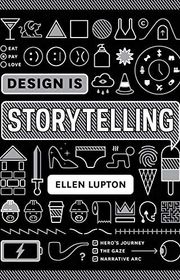
Design Is Storytelling
For designers who want to think about how people move through and interpret their work. Lupton connects narrative ideas with visual choices, though the broad application across products and experiences offers less detail on individual production techniques.
What it's about
Ellen Lupton explores how storytelling ideas can shape graphics, products, services, and experiences. Illustrated concepts and tools connect narrative structure, perception, emotion, and movement, helping designers consider how an audience encounters and understands a piece of work.
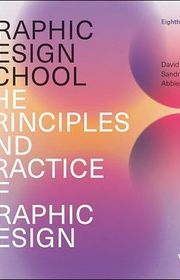
Graphic Design School
For beginners who want a structured overview connecting design principles with finished work. Dabner and his coauthors cover a wide range of professional tasks, though the textbook breadth offers less depth in any one specialist area.
What it's about
David Dabner, Sandra Stewart, and Abbie Vickress introduce graphic-design fundamentals and their use in visual communication. The eighth edition covers concepts, typography, color, layout, and production, with examples from print and digital media and practical guidance for developing projects.

For designers who need more ways to generate and develop ideas. Lupton gathers methods that can move a project past an initial brainstorm, though readers still have to choose which exercises fit their own brief and team.
What it's about
Ellen Lupton presents methods for developing design ideas, from informal brainstorming to structured research and collaboration. Visual demonstrations, case studies, and conversations with professionals show how designers define problems, generate possibilities, and turn concepts into visual form.

The Elements of Typographic Style
For readers ready to refine the details of setting type after an introductory course. Bringhurst combines practical guidance with historical and aesthetic judgment, though the dense prose and print-centered emphasis reward slow study rather than quick browsing.
What it's about
Robert Bringhurst combines a practical typography manual with a history of typographic usage and a reference to its concepts and traditions. The illustrated guide connects technical choices with aesthetic judgment, including discussion of typefaces and their historical context.
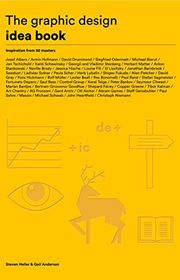
The Graphic Design Idea Book
For visual learners who want to see a design principle at work in a finished example. Heller and Anderson make browsing productive, though the short discussions are prompts for experimentation rather than a complete practical curriculum.
What it's about
Steven Heller and Gail Anderson use selected design works to introduce ideas about form, narrative, color, typography, image, ornament, simplicity, and humor. The examples explain technical and creative choices while encouraging readers to try related approaches in their work.
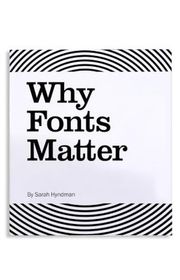
Why Fonts Matter
For designers curious about the associations typefaces carry for readers. Hyndman offers a perception-focused complement to books on setting type, though its exploratory examples are better treated as prompts to investigate than universal rules about audiences.
What it's about
Sarah Hyndman explores how typefaces can evoke associations, memories, and expectations. Drawing on design practice and research into perception, the book examines the role of typography in how people interpret words, products, and other forms of visual communication.
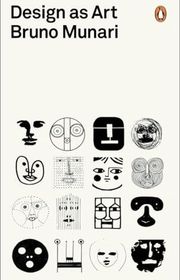
Design as Art
For readers wanting a designer’s way of looking at everyday objects and visual communication. Munari’s short explorations encourage attention and curiosity, though they range beyond graphic design and do not form a step-by-step skills course.
What it's about
Bruno Munari considers design in everyday life through illustrated essays on subjects such as lamps, signs, typography, posters, books, and furniture. His observations connect function, beauty, accessibility, and experimentation across visual, graphic, and industrial design.

For students who want to understand the visual building blocks before specializing in branding or typography. Lupton and Phillips make abstract principles visible through examples, though the broad foundation leaves detailed production and software instruction to other books.
What it's about
Ellen Lupton and Jennifer Cole Phillips introduce the visual principles underlying graphic design through examples and concise explanations. Lessons on scale, hierarchy, grids, color, and other elements help readers understand how compositions organize information and create visual relationships.
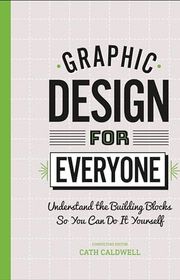
Graphic Design for Everyone
For non-designers and beginners who want to make useful everyday materials themselves. Caldwell connects principles with guided projects, though the accessible scope cannot provide the depth of a longer design course or specialist typography reference.
What it's about
Cath Caldwell introduces typography, photography, illustration, color, and layout through explanations, workshops, and practical projects. Readers apply the principles to materials such as stationery, invitations, brochures, and websites, with additional guidance on printing, online publishing, and working with professionals.

For early-career designers who want practical reminders drawn from studio experience. De Soto’s notebook format is convenient for dipping into during work, though its informal advice is less systematic than a full foundation course.
What it's about
Drew de Soto shares practical lessons on generating design ideas, developing concepts, and carrying projects through production. Written in a notebook-like format, the guide also addresses running a design business and working with clients, studios, and suppliers.

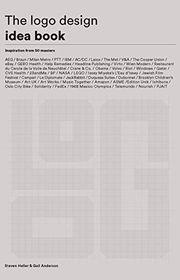
For designers who want to follow a logo project from brief to presentation. Airey makes client collaboration and idea development concrete, though the focus on brand marks covers a smaller territory than a full identity-management guide.
What it's about
David Airey follows the creation of logo-based brand identities from the initial brief to finished designs. Client examples, sketches, and practical guidance explore idea generation, pricing, collaboration, and the decisions that turn a visual concept into a recognizable identity.
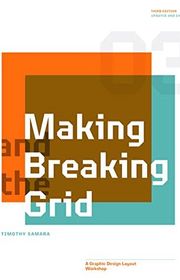
Making and Breaking the Grid
For designers who understand basic layout and want to compare structured and deliberately disrupted compositions. Samara shows how grids operate across projects, though learning from the examples still requires experimenting with layouts of your own.
What it's about
Timothy Samara explains grid structures and methods for using or departing from them in graphic layouts. The third edition combines historical context, construction methods, and project examples, including interactive applications and a wider range of design traditions.
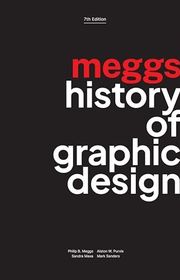
Meggs' History of Graphic Design
For students and practitioners who want historical context for the forms and conventions they use. The extensive examples support deeper study, though the large textbook is better approached over time than as a quick source of layout tips.
What it's about
Philip Meggs and subsequent coauthors survey graphic design through visual artifacts, practitioners, tools, and changing communication needs. The seventh edition organizes material thematically and emphasizes cultural and social context, using a large collection of images to support the discussion.
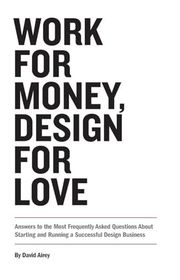
Work for Money, Design for Love
For designers preparing to freelance or run a small studio. Airey addresses the business questions that project-focused books often leave aside, though advice on pricing, contracts, and client practices needs adapting to your own market.
What it's about
David Airey answers questions about starting and running a design business, including finding clients, pricing work, managing difficult relationships, and setting agreements. Personal experience, anecdotes, and contributions from other designers connect business decisions with the realities of creative work.
Sources
- 1
Hotlist 2025: the best graphic design books, as voted for by designers
creativeboom.com
- 2
The 21 Graphic Design Books You Should Have on Your Reading List for 2026
andacademy.com
- 3
13 Must-Read Graphic Design Books that will Shape Your Career
dribbble.com
- 4
Graphic Design Books
goodreads.com
- 5
What are the best Graphic Design Books you personally own?
reddit.com
- 6
Any good graphic design books to further skills after college?
reddit.com
- 7
The best graphic design books on branding, logos, type and more
creativebloq.com
- 8
20 Essential books for graphic designers
adobe.com




Edited by
Software engineer whose passion for tracking book recommendations from podcasts inspired the creation of MRB.
Lead investor at 3one4 Capital whose startup expertise and love for books helped shape MRB and its growth.
Comments
Spotted a missing book, a wrong order or a mistake? Tell us and we'll fix this page.
We're a reading guide, not the author or publisher, so we can't send books or pass on messages.