
23 Best Running Books
The best running books, ranked by how many expert sources recommend each one, with notes for new runners, race-focused athletes, and readers seeking memoirs.
Our take
Running books can offer company between runs, explain training decisions, or show how other people build a life around the sport. The most useful choice depends on whether you want a program, a personal account, or a story that captures competitive ambition. A memoir can change how training feels without providing the right schedule for your own fitness, goals, and available time.
What I Talk About When I Talk About Running explores routine and creative work, while Born to Run offers a more adventurous account of endurance culture. Once a Runner turns competitive commitment into fiction, and Running with the Buffaloes follows a real collegiate team. For structured training, Daniels' Running Formula covers several distances and Advanced Marathoning focuses on experienced marathon preparation. Endure examines the research behind performance, while Let Your Mind Run approaches mental habits through an athlete’s life. Start with a memoir for motivation or a training manual when you have a specific racing goal.
23 books · 7 sources · Last updated
As an Amazon Associate, we earn from qualifying purchases (at no extra cost to you).
How to choose from this list
Skip to the full rankingIf you want reflective running memoirs: What I Talk About When I Talk About Running → Let Your Mind Run
If you want a training framework: Daniels' Running Formula → Advanced Marathoning
If you want endurance research: Endure → How Bad Do You Want It?
If you want competitive running stories: Once a Runner → Running with the Buffaloes
If you want ultrarunning adventures: Eat and Run → North
If you want running travel ideas: Epic Runs of the World
The 23 books, ranked
Ranked by how many expert sources name each book. Ties go to the book more people recommend.

Born to Run
A Hidden Tribe, Superathletes, and the Greatest Race the World Has Never Seen
For readers who want an adventurous introduction to ultrarunning culture. Its reporting and memorable personalities make endurance feel accessible, though the arguments about footwear should be distinguished from the pleasures of the story rather than treated as individual advice.
What it's about
Christopher McDougall travels to Mexico's Copper Canyons to investigate the Tarahumara's long-distance running traditions. His account brings together runners, training experiments and research on endurance as an unusual race between local athletes and visiting Americans takes shape.
Also recommended by
2 people Turia Pitt recommended this book
Turia Pitt
"If [people are] interested in running, I give them [this book]." - Turia Pitt
Turia Pitt's recommendation of this book  Sahil Lavingia recommended this book
Sahil Lavingia
Sahil Lavingia recommended this book on Notion.
Sahil Lavingia's recommendation of this book
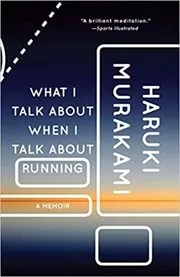
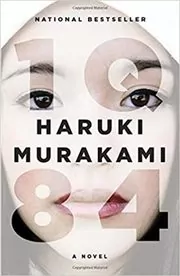
For runners who enjoy quiet reflections on routine, aging, and creative work. Murakami’s personal voice gives ordinary training a wider significance, though this is a memoir to think alongside rather than a manual for improving race times.
What it's about
A memoir reflecting on Murakami's life as a writer and an athlete. He discusses how training for marathons shapes his discipline and creative process, offering a rare, personal glimpse into the mind of the typically private author.
Also recommended by
2 people Brian Koppelman recommended this book
Brian Koppelman
"The single best distillation of the kind of focus, commitment, and sense of mission it takes to become a great artist." - Brian Koppelman
Brian Koppelman's recommendation of this book  Jack Edwards recommended this book
Jack Edwards
"Will really resonate with anyone who loves running." - Jack Edwards
Jack Edwards's recommendation of this book

How Bad Do You Want It?
For runners interested in how athletes respond to doubt and competitive pressure. Its race-centered stories make performance psychology approachable, though elite examples do not translate automatically into a training plan or a solution to every difficult run.
What it's about
Fitzgerald revisits landmark endurance races to show how elite athletes use mental toughness when pain, doubt, and fatigue hit hardest. It's a clear, story-driven look at the psychology behind performance.

For readers who recognize the intensity of competitive training and want fiction built around that commitment. Its close attention to athletic obsession makes it distinctive, though its demanding workouts and sacrifices should be read as narrative rather than a personal program.
What it's about
College runner Quenton Cassidy is approaching his dream of a four-minute mile when Vietnam-era campus turmoil disrupts his athletic life. John Parker's novel follows the demanding training, relationships, and sacrifices surrounding a young athlete's single-minded pursuit of excellence.

For readers who want research and uncertainty explored alongside endurance stories. Hutchinson’s reporting offers more scientific context than a motivational memoir, though readers seeking a simple formula for faster racing may find the open questions frustrating.
What it's about
Alex Hutchinson investigates the physical and psychological limits of endurance. Combining scientific research with accounts of athletes and adventurers, he explores fatigue and the brain's role in determining how far people believe their bodies can go.
Also recommended by
2 people Noah Kagan recommended this book
Noah Kagan
"He breaks down the myths and facts of endurance athletes. Focuses on the science and lesser-known facts." - Noah Kagan
Noah Kagan's recommendation of this book  Daniel Gross recommended this book
Daniel Gross
"If you like any form of endurance cardio, this book will be like crack candy for you." - Daniel Gross
Daniel Gross's recommendation of this book

Finding Ultra
Rejecting Middle Age, Becoming One of the World's Fittest Men, and Discovering Myself
For readers drawn to an endurance memoir about rebuilding habits in middle age. Roll’s personal transformation gives it a broader recovery story, though the emphasis on diet and multisport competition makes it less focused on running technique.
What it's about
Rich Roll recounts rebuilding his life and fitness in middle age after struggles with alcoholism and inactivity. His transition toward plant-based eating and endurance competition connects demanding athletic experiences with reflections on recovery, determination, and changing long-established habits.

Running with the Buffaloes
For former team runners and readers curious about elite collegiate cross-country. Lear’s close access captures the routines and relationships of a season, though the narrow focus on one men’s team offers a specific rather than universal running experience.
What it's about
Chris Lear follows the University of Colorado men’s cross-country team through a demanding collegiate season. Coach Mark Wetmore and runner Adam Goucher stand at the center of an account shaped by intense training, injuries, competition, and personal tragedy.

Running with the Kenyans
Passion, Adventure, and the Secrets of the Fastest People on Earth
For runners interested in daily training culture as well as race results. Finn’s participation gives the reporting an immediate personal perspective, though one visitor’s experience cannot fully represent the diversity of Kenyan athletes and their circumstances.
What it's about
Adharanand Finn moves his family to Iten, Kenya, to investigate the country’s extraordinary distance runners and train alongside them. Encounters with athletes and their daily routines lead him toward his own first marathon across the Kenyan plains.

For readers curious about the appeal of extreme distances and overnight running. Karnazes makes the personal intensity of ultrarunning vivid, though the exceptional challenges offer adventure rather than a realistic starting point for most new runners.
What it's about
Dean Karnazes recounts extreme running adventures through Death Valley, Antarctica, and mountain terrain, describing the bodily demands and solitary intensity of ultrarunning. His memoir also examines how he balances this consuming pursuit with work and family life.

For ultrarunning readers interested in the interaction between an athletic career and personal change. Jurek’s racing experiences give the book momentum, though his dietary story reflects one athlete’s approach rather than a universal prescription.
What it's about
Scott Jurek recounts his journey from a Midwestern childhood to elite ultramarathon racing and a vegan diet. Stories of competition and personal change accompany running advice and plant-based recipes, connecting endurance training with his evolving approach to food.

For runners who prefer learning about mental habits through a personal career story. Kastor connects reflection with the everyday experience of training, though the memoir structure offers fewer systematic exercises than a dedicated psychological workbook.
What it's about
Deena Kastor and Michelle Hamilton recount the runner's development from a talented but exhausted young competitor to an elite marathoner. Training and racing stories explore how coaching, positive thinking, and deliberate mental habits changed her approach to competition.

Running with Sherman
How a Rescue Donkey Inspired a Rag-tag Gang of Runners to Enter the Craziest Race in America
For readers who want a running story centered on community and an unusual animal partnership. McDougall’s accessible narrative offers a lighter change of perspective, though anyone seeking race training or performance analysis should choose another book.
What it's about
Christopher McDougall takes in a neglected donkey and begins preparing him for a race requiring human and animal to run together. The account follows Sherman's recovery and training alongside the neighbors, Amish families and runners who help.

26 Marathons
What I Learned About Faith, Identity, Running, and Life from My Marathon Career
For marathoners who enjoy comparing race experiences and learning from an elite career. Its race-by-race format makes individual lessons easy to revisit, though the professional perspective is different from balancing training with an ordinary working week.
What it's about
Meb Keflezighi revisits each of the twenty-six marathons in his professional career with Scott Douglas. Race accounts and personal reflections explore preparation, setbacks, faith, identity, and the lessons he drew from competing at the highest levels of distance running.
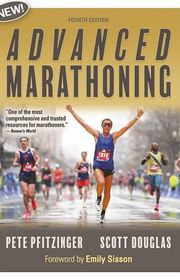
Advanced Marathoning
For experienced runners who want to understand and organize demanding marathon preparation. Its combination of training principles and detailed schedules supports a specific racing goal, though the workload and commitment make it a poor first introduction to running.
What it's about
Pete Pfitzinger and Scott Douglas explain marathon preparation through endurance training, recovery, supporting exercise, nutrition, and race strategy. Detailed schedules at different weekly mileages connect the training principles with preparation for a target marathon.

For readers who enjoy endurance adventures with the support crew’s experience included. The demanding Appalachian Trail setting gives the memoir immediate stakes, though its exceptional challenge is far removed from most runners’ everyday training.
What it's about
Scott and Jenny Jurek recount his attempt to set a speed record on the Appalachian Trail. Running north from Georgia toward Maine, he confronts injury, fatigue, hunger, and self-doubt while Jenny, friends, and strangers support the demanding journey.

For runners who want to think beyond mileage and examine strength, mobility, and coordination. Its assessments and exercises give it a practical focus, though working through a general program requires more participation than reading a conventional training overview.
What it's about
Jay Dicharry presents a running program that combines movement assessment, strength, mobility, and coordination. Self-tests, exercises, and workouts help readers examine their physical limitations and practice more efficient movement patterns alongside their existing distance-running training.

A Beautiful Work In Progress
For runners who want a memoir that challenges assumptions about who belongs on trails and race courses. Valerio’s personal perspective gives representation and enjoyment central roles, though the narrative offers inspiration more than a structured training progression.
What it's about
Mirna Valerio recounts her development from beginning racer to ultramarathon runner while challenging assumptions about who belongs in endurance sport. Her memoir connects training and trail experiences with body image, race, persistence, and the pleasure of spending time outdoors.
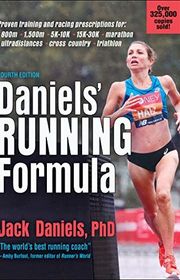
Daniels' Running Formula
For runners who want a coherent system for matching training paces to current fitness across several distances. Its tables and explanations support deliberate planning, though the detail requires more engagement than following a simple ready-made schedule.
What it's about
Jack Daniels explains distance-running training through fitness-based pacing, different workout purposes, and progressive preparation. Tables and programs connect race performances with training intensities, covering events from middle-distance racing through the marathon.

For readers who want a novel in which running ambition meets a much larger historical crisis. Its attention to belonging and persecution gives sport a different context, though the violence of the Rwandan genocide makes this a difficult read.
What it's about
Jean Patrick Nkuba dreams of becoming Rwanda’s first Olympic track medalist, believing athletic success might protect him from ethnic persecution. As violence against Tutsis escalates, his ambitions, relationships, and loyalty to his country face increasingly dangerous tests.

For readers who enjoy accounts of late-discovered athletic ambition and world-level competition. Wellington’s international experiences give it scope beyond race reports, though its triathlon focus devotes substantial attention to disciplines other than running.
What it's about
Chrissie Wellington recounts the path from her English childhood and international travels to success in Ironman triathlon. Personal challenges, training experiences, and reflections on motivation accompany her account of discovering the sport and becoming a world champion.

For runners who want a cookbook they can use around a busy training schedule. Its attention to satisfying meals offers practical variety beyond race narratives, though recipes provide a different kind of help from an individualized fueling plan.
What it's about
Shalane Flanagan and Elyse Kopecky combine whole-food recipes with their perspectives as a runner and a chef. Meals and snacks emphasize flavor and nourishment, offering practical ideas for eating around training without treating enjoyment as incompatible with athletic goals.

For runners who want active reflection on confidence rather than just an athlete’s life story. Goucher’s prompts and journal approach encourage participation, though readers who dislike workbook-style exercises may prefer a more continuous narrative.
What it's about
Kara Goucher draws on her running career and struggles with self-doubt to explore mental preparation for training and competition. Guided activities, confidence-journal prompts, and sport-psychology perspectives address techniques including self-talk, visualization, goal setting, and social support.

Epic Runs of the World
For runners who like planning trips around routes and memorable places. Its maps, photographs, and varied destinations provide a useful browsing format, though local access, route conditions, and practical details need checking before travel.
What it's about
Lonely Planet gathers running routes and races around the world, from urban paths to challenging wilderness courses. Stories, photographs, maps, and practical details introduce the places and help readers plan running adventures suited to different interests and abilities.
Sources
- 1
50 Best Running Books Every Runner Should Read
runningstate.com
- 2
The 26 Best Running Books: A Definitive Runner’s Reading List
marathonhandbook.com
- 3
50 Best Running Books for Training and Motivation 2025
runtothefinish.com
- 4
Best Books About Running
therunningchannel.com
- 5
10 Best Running Books 2019
nymag.com
- 6
The Best Running Books
reddit.com
- 7
Book recommendations 📖
reddit.com





Edited by
Software engineer whose passion for tracking book recommendations from podcasts inspired the creation of MRB.
Lead investor at 3one4 Capital whose startup expertise and love for books helped shape MRB and its growth.
Comments
Did we miss something? Have feedback?
Help us improve this page by sharing your thoughts