
33 Best Diabetes Books
The best diabetes books, ranked by how many expert sources recommend each one, with notes on who each suits, from newly diagnosed readers to family caregivers.
Our take
Living with diabetes involves daily decisions about food, activity, treatment, and the emotional work of keeping up with care. The right book depends on the type of diabetes, whether you use insulin, and the question you need help with. A technical reference, a personal account, and a family guide can all be useful for different reasons.
Think Like a Pancreas focuses on understanding insulin-based care, while The First Year addresses the adjustment to a type 2 diagnosis. Food-focused books range from carbohydrate counting to specific dietary programs, whose claims and restrictions need individual consideration. Dealing with Diabetes Burnout and Diabetes Burnout address the burden of ongoing care. Other books serve parents, teenagers, partners, or people planning pregnancy. Start with the book that matches your treatment and immediate concern, and check the edition for current devices and medications. Use it to prepare questions for your diabetes team rather than change treatment on your own.
33 books · 7 sources · Last updated
As an Amazon Associate, we earn from qualifying purchases (at no extra cost to you).
How to choose from this list
Skip to the full rankingIf you're newly diagnosed with type 2 diabetes: The First Year
If you use insulin and want stronger foundations: Think Like a Pancreas → Pumping Insulin
If daily care feels exhausting: Dealing with Diabetes Burnout → Diabetes Burnout
If you want practical food-planning help: Diabetes Meal Planning Made Easy → The Ultimate Guide to Accurate Carb Counting
If you're parenting a child with type 1 diabetes: Kids First, Diabetes Second → Raising Teens with Diabetes
If you're preparing for pregnancy with type 1 diabetes: Pregnancy with Type 1 Diabetes
The 33 books, ranked
Ranked by how many expert sources name each book. Ties go to the book more people recommend.

Dr. Bernstein's Diabetes Solution
The Complete Guide to Achieving Normal Blood Sugars
For readers specifically interested in Bernstein’s low-carbohydrate approach to diabetes care. Its detailed framework goes beyond general food advice, but its restrictive recommendations and treatment discussions require individual assessment with a qualified diabetes clinician.
What it's about
Richard Bernstein presents his approach to diabetes management, centered on blood sugar monitoring and a low-carbohydrate diet. The guide discusses treatment planning, insulin, medications, complications, exercise, and recipes for people with different forms of diabetes.

For people who use insulin and want to understand patterns rather than memorize isolated rules. Scheiner connects everyday variables with diabetes decisions, but applying treatment changes requires current information and guidance from your care team.
What it's about
Gary Scheiner examines the daily concerns of people who use insulin to manage diabetes. The guide connects glucose monitoring, food, insulin-delivery methods, physical activity, stress, and illness with understanding the body's changing needs and organizing diabetes care.

For readers who prefer brief prompts they can revisit over time. Daily entries address routines and emotional demands together, though their short format offers less explanation than a sustained guide to a specific problem.
What it's about
Susan Weiner and Paula Ford-Martin offer daily tips addressing the practical and emotional demands of living with diabetes. The book discusses management routines, stress, burnout, holidays, special occasions, and seasonal challenges in a collection of brief entries.

Diabetes & Keeping Fit For Dummies
For people who want to begin exercising and need an approachable planning guide. Walking and resistance activities make the starting point concrete, but activity choices and glucose-management adjustments still depend on individual health and treatment.
What it's about
The American Diabetes Association and Sheri Colberg introduce physical activity for people living with diabetes. Walking plans, strength and resistance exercises, goal setting, progress tracking, and discussion of dietary adjustments organize the guide's approach to fitness.

For readers whose biggest obstacle is the emotional burden of diabetes care. Polonsky’s worksheets help examine recurring barriers with structure, but the older examples and self-guided format may need support from a diabetes or mental health professional.
What it's about
William Polonsky explores the emotional pressures that can undermine diabetes self-care. Questionnaires, worksheets, and self-assessments examine motivation, daily routines, relationships, and other stresses, helping readers reflect on obstacles and develop a personal plan of action.

For readers who eat in restaurants and want to plan beyond home cooking. Its cuisine-by-cuisine approach makes specific situations easier to navigate, but menus and nutrition information change, so older details need checking.
What it's about
Hope Warshaw examines restaurant eating through menu choices, preparation methods, portion sizes, and nutritional information. The guide surveys different cuisines and restaurant styles, discussing common dining pitfalls and ways to request meals that fit personal eating goals.

For people with type 1 diabetes preparing for pregnancy or navigating its changing demands. Its dedicated focus offers more relevant questions than a general pregnancy guide, but treatment details require a current specialist care plan.
What it's about
Ginger Vieira and Jennifer Smith guide readers through pregnancy with type 1 diabetes, from preparation and conception to birth and postpartum life. The month-by-month discussion focuses on changing insulin needs, blood sugar management, and personal experiences.
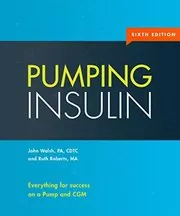
For pump users who want a detailed reference for understanding delivery settings and glucose data. Its technical focus goes beyond general diabetes guides, but device features and treatment protocols change, so edition choice matters.
What it's about
John Walsh and Ruth Roberts explain insulin pump use and continuous glucose monitoring for people with diabetes and health professionals. Topics include pump settings, bolus calculators, infusion sets, interpreting glucose data, and managing the practical demands of therapy.

For experienced insulin users interested in interpreting changing continuous glucose readings. Its dynamic approach differs from fixed-routine guides, but it assumes active monitoring and requires careful discussion of treatment decisions with a diabetes professional.
What it's about
Stephen Ponder describes his experience using continuous glucose information while living with type 1 diabetes. His surfing metaphor captures changing glucose patterns, connecting observations with meals, insulin, stress, activity, and the ongoing decisions involved in daily diabetes management.
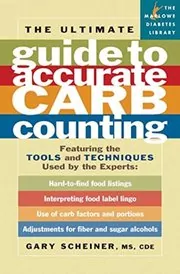
The Ultimate Guide to Accurate Carb Counting
Featuring the Tools and Techniques Used by the Experts
For readers who want a more systematic understanding of carbohydrate estimation than a short food list offers. Scheiner develops counting techniques in everyday contexts, but using those estimates for treatment decisions requires individualized instruction.
What it's about
Gary Scheiner explains carbohydrate counting through the foods and eating habits readers encounter in everyday life. The guide develops the rationale behind counting carbohydrates and moves from basic to more advanced techniques for estimating and tracking intake.

50 Diabetes Myths That Can Ruin Your Life
And the 50 Diabetes Truths That Can Save It
For readers who feel confused or discouraged by common claims about diabetes. Its myth-and-explanation format makes individual questions easy to find, though the older material needs checking against current recommendations and your own circumstances.
What it's about
Riva Greenberg examines fifty common misconceptions about diabetes and contrasts them with explanations of care and daily life. Topics include food, insulin, medication, and complications, drawing on expert perspectives and experiences of people with diabetes.
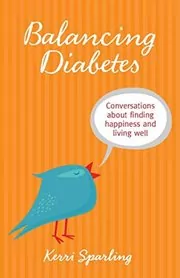
For readers who want companionship and perspective from people living with diabetes. Sparling’s conversational approach explores how care fits into a full life, but it offers shared experience rather than a systematic treatment manual.
What it's about
Kerri Sparling draws on her own experience and conversations with patients and caregivers to explore life with diabetes. The book considers emotional adjustment, relationships, and everyday decisions while examining how diabetes fits within a fuller life.

For readers who want manageable ways to reflect on daily habits instead of another comprehensive textbook. Brown’s personal examples make patterns easier to discuss, but the suggestions reflect one person’s experience and need adapting.
What it's about
Adam Brown shares approaches to living with diabetes across four areas: food, mindset, exercise, and sleep. Personal experiences, practical suggestions, and reflection questions encourage readers to identify helpful patterns as well as recurring difficulties in daily management.

For readers interested in how diabetes affects families and society as well as individual health. Hirsch combines reporting with personal experience, but the historical account is more useful for perspective than for current treatment guidance.
What it's about
James Hirsch blends memoir, reporting, history, and advocacy in an account of diabetes in America. His own diagnosis, his physician brother's experience, and his young son's illness frame an investigation of treatment, emotional burdens, and social costs.

Dealing with Diabetes Burnout
How to Recharge and Get Back on Track When You Feel Frustrated and Overwhelmed Living with Diabetes
For people worn down by the daily demands of diabetes who want a compassionate peer perspective. Vieira connects practical obstacles with self-judgment, though a self-help guide cannot provide the individualized support some readers will need.
What it's about
Ginger Vieira examines the frustration and exhaustion that can accompany daily diabetes care. Her guide discusses realistic expectations, self-judgment, food, exercise, relationships, and renewed motivation, using personal insight and exercises to explore barriers to management.

Diabetes Meal Planning Made Easy
For readers who want everyday eating decisions organized into a workable routine. Warshaw connects shopping, portions, and familiar meals, but the broad meal-planning approach offers less detail on insulin dosing or specialized dietary needs.
What it's about
Hope Warshaw explains meal planning for people living with diabetes, covering food groups, portion control, and everyday eating decisions. The guide discusses adapting familiar recipes, shopping, food preparation, and strategies for building manageable eating routines.

Dr. Neal Barnard's Program for Reversing Diabetes
The Scientifically Proven System for Reversing Diabetes without Drugs
For readers interested in Barnard’s vegan approach to type 2 diabetes. Recipes make the proposed eating pattern concrete, but the title’s promise is stronger than any individual guarantee, and medication decisions need clinical supervision.
What it's about
Neal Barnard presents his dietary approach to managing type 2 diabetes, emphasizing vegan meals and improved insulin sensitivity. Recipes, exercise guidance, progress tracking, and troubleshooting explain the program he proposes for reducing the disease's effects.

For parents who want diabetes care to fit around a child’s wider life. Calentine’s family perspective makes school and everyday activities central, but readers seeking detailed clinical instructions will need a separate current reference.
What it's about
Leighann Calentine draws on parenting a daughter with type 1 diabetes to discuss family life and caregiving. Topics include routines, school, food, stress, support networks, and helping children participate in ordinary activities alongside managing their condition.

For readers who want a parent’s humorous account of family life that includes diabetes. Benner places caregiving within ordinary household pressures, but the book is primarily a parenting memoir rather than a focused diabetes guide.
What it's about
Scott Benner recounts life as a stay-at-home father, exploring household work, marriage, gender roles, and parenting mishaps. His daughter's diagnosis of type 1 diabetes becomes part of a humorous and personal portrait of family life.

For parents negotiating the shift from managing a child’s care to supporting a teenager’s independence. McCarthy centers family communication and practical tensions, but personal guidance cannot cover every adolescent’s medical or emotional needs.
What it's about
Moira McCarthy explores the challenges of parenting a teenager with diabetes, including hormonal changes, growth spurts, and shifting emotions. Drawing on her experience as a parent, she discusses supporting young people as diabetes becomes part of increasingly independent lives.

For readers who need a less perfectionist way to think about daily diabetes care. Humor and visual presentation make its personal lessons accessible, but the emphasis is on outlook rather than detailed clinical instruction.
What it's about
Chuck Eichten draws on years of living with diabetes to argue for progress over perfection. Through personal lessons, humor, and visual presentation, he explores how small improvements and learning from mistakes can change the experience of managing the condition.

For readers who want to examine Fuhrman’s nutrient-dense approach to eating with type 2 diabetes. It presents a coherent dietary argument, but its reversal framing is not an individual guarantee or a substitute for treatment.
What it's about
Joel Fuhrman presents his nutrient-dense dietary approach to diabetes, arguing for a greater role for food choices in its prevention and management. The book explains his proposed eating plan and how he adapts its principles to individual needs.

For newly diagnosed adults with type 2 diabetes who want guidance organized around the adjustment period. Becker addresses practical and emotional questions together, but medication, technology, and insurance details need checking against current local arrangements.
What it's about
Gretchen Becker guides newly diagnosed readers through the first year of living with type 2 diabetes. The book addresses coming to terms with diagnosis, food, exercise, testing routines, treatment options, insurance, and other practical and emotional adjustments.

The Pocket Carbohydrate Counter Guide for Diabetes
Simple Nutritional Strategies to Lower Your Blood Sugar
For readers who want a portable introduction to estimating carbohydrates in ordinary meals. Its focus on portions and food choices keeps it practical, but it provides less depth than a full carbohydrate-counting or insulin-management reference.
What it's about
Shelby Kinnaird introduces carbohydrate counting for people living with diabetes. The pocket guide explains how carbohydrates relate to blood sugar and presents approaches to estimating portions, planning meals, balancing a plate, choosing snacks, and navigating restaurant food.

Thriving with Diabetes
Learn How to Take Charge of Your Body to Balance Your Sugars and Improve Your Lifelong Health
For readers who want to investigate recurring glucose patterns through daily habits and circumstances. Its stepwise structure supports reflection beyond food alone, but interpreting those patterns does not replace personalized medical assessment or current treatment advice.
What it's about
Paul Rosman and David Edelman present a four-step approach to understanding patterns in blood sugar. Their guide examines food alongside physical activity, stress, pain, sleep, and other daily circumstances, encouraging readers to reflect on their own diabetes experiences.

Unleash Your Inner Diabetes Dominator
For readers who connect with motivational stories about self-acceptance and community. Hargenrader gives the emotional relationship with diabetes attention, but the forceful coaching style may not suit everyone and offers limited clinical detail.
What it's about
Daniele Hargenrader combines personal stories and motivational guidance for people living with diabetes and their loved ones. She emphasizes choice, self-acceptance, and community as ways to rethink the condition and develop a more confident relationship with its challenges.

For readers interested in how diabetes care was developing when the book appeared. Scheiner connects technologies and treatments with everyday concerns, but its survey of new advances is dated and needs substantial updating for present-day decisions.
What it's about
Gary Scheiner surveys developments in diabetes technologies, treatments, and research available when the book was written. Drawing on his professional and personal experience, he explains their relevance to self-care for people with diabetes and those supporting them.

For readers interested in yoga as part of their wider well-being routine. Zinman connects movement with personal experience and stress, but its Ayurveda framework should not be treated as evidence that yoga can replace diabetes treatment.
What it's about
Rachel Zinman shares her experience of a diabetes diagnosis and the role yoga played in her response. The book introduces yoga and Ayurveda practices that she presents as support for managing stress, adapting movement, and exploring personal well-being.

For women who want diabetes discussed alongside hormones, relationships, and everyday responsibilities. Personal perspectives broaden the focus beyond glucose readings, but the range of topics leaves less space for detailed guidance on any one life stage.
What it's about
Brandy Barnes and Natalie Strand explore the experiences of women living with diabetes. Their guide addresses emotional well-being, hormones, relationships, exercise, travel, and work, combining personal perspectives with discussion of the demands of daily management.

For readers preparing for pregnancy with diabetes who want patient experiences alongside practical questions. Alkon gives planning and emotional challenges sustained attention, but its older medical details need review with a specialist pregnancy team.
What it's about
Cheryl Alkon combines personal experience, patient stories, and expert interviews in a guide to pregnancy with pre-existing diabetes. She covers preparation, choosing a medical team, pregnancy, delivery, early parenthood, and challenges including infertility and pregnancy loss.

For children who would like a story about diabetes alongside a character’s other interests. The dance setting offers a route into conversation about diagnosis, but this picture book provides reassurance rather than detailed care instruction.
What it's about
Young dancer Zippy is chosen for a leading role in her first ballet performance, then receives a diagnosis of type 1 diabetes. The story follows her efforts to understand the condition while pursuing her love of dance.

For young children who would benefit from seeing familiar diabetes equipment in a friendly picture book. Animal characters make routines easier to discuss, but the simple format works best with an adult available to answer questions.
What it's about
Animal characters open their bags to reveal tools used in everyday diabetes routines, including glucose meters and insulin pumps. This picture book introduces young children with type 1 diabetes to familiar activities involved in managing the condition.

For partners who want to offer support without taking over someone else’s care. Its attention to communication and intimacy fills a gap in general guides, but both partners’ preferences and circumstances still require direct conversation.
What it's about
Nicole Johnson and Lorraine Stiehl examine life as the partner of someone with diabetes. The guide discusses support, communication, food, travel, mental health, and intimacy, encouraging couples to recognize both partners' concerns while deciding what help feels appropriate.
Sources
- 1
9 Top Books for Diabetes Management
popsdiabetes.com
- 2
The 20 Best Diabetes Books
diabetesstrong.com
- 3
20 Books People with Diabetes Should Read
thediabetescouncil.com
- 4
Books About Diabetes
diabetesnv.org
- 5
Recommendations of T1D handbooks
reddit.com
- 6
The 20 Best Diabetes Books You Need to Read (2024)
erinpalinski.com
- 7
100 Best Diabetes Books of All Time
shortform.com











Edited by
Software engineer whose passion for tracking book recommendations from podcasts inspired the creation of MRB.
Lead investor at 3one4 Capital whose startup expertise and love for books helped shape MRB and its growth.
Comments
Spotted a missing book, a wrong order or a mistake? Tell us and we'll fix this page.
We're a reading guide, not the author or publisher, so we can't send books or pass on messages.