
11 Best Virology Books
The best virology books, ranked by how many expert sources recommend each one, with notes on who each book suits, biology prerequisites and where to start.
Our take
Virology studies how viruses reproduce, interact with cells and move between hosts. It also asks how immunity, vaccines and antiviral medicines change those encounters. The books here range from short explanations for general readers to undergraduate courses and detailed references, so your biology background matters more than the familiarity of a virus name.
Viruses: A Very Short Introduction provides an accessible starting point, while The Coming Plague places emerging infections in a wider social and public health setting. Students can turn to Basic Virology or Introduction to Modern Virology for a fuller course. Principles of Virology emphasizes shared molecular processes, and Molecular and Cellular Biology of Viruses develops a closely related mechanistic view. Fields Virology offers specialist depth, with the emerging viruses volume focusing on particular groups rather than serving as a complete introduction. Textbook editions differ, especially in their coverage of recent outbreaks. Start with Viruses: A Very Short Introduction without prior biology, or Basic Virology after an introductory biology course.
11 books · 7 sources · Last updated
As an Amazon Associate, we earn from qualifying purchases (at no extra cost to you).
How to choose from this list
Skip to the full rankingIf you are starting without biology training: Viruses
If you want an introductory university course: Basic Virology → Introduction to Modern Virology
If you want molecular mechanisms: Principles of Virology → Molecular and Cellular Biology of Viruses
If you want a concise molecular text: Cann's Principles of Molecular Virology
If you want human pathogen comparisons: Molecular Virology of Human Pathogenic Viruses
If you want outbreak history and public health: The Coming Plague
The 11 books, ranked
Ranked by how many expert sources name each book. Ties go to the book more people recommend.

For students who already know basic cell biology and want to understand how viruses reproduce. Its organization around shared molecular processes supports comparisons across virus groups, though host responses and disease control need the companion volume or another text.
What it's about
The first volume of Principles of Virology focuses on the molecular biology of viral reproduction, from cell entry to release. Representative viruses illustrate shared processes and differences, supported by diagrams, study questions, and learning exercises.
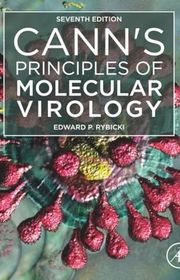
Cann's Principles of Molecular Virology
For advanced undergraduates wanting a relatively concise molecular foundation. Its emphasis on shared principles provides a useful bridge to specialist references, though concise presentation still assumes biology knowledge and leaves less space for individual pathogens.
What it's about
This seventh edition introduces virus structure, replication and interactions with hosts through shared molecular principles. It updates the earlier text with topics including giant viruses, viral evolution and phage-related technologies, connecting foundational mechanisms with developments in virology.

For students who want core viral processes connected to broader applications. Its treatment of vaccines, evolution and cancer offers a useful bridge beyond replication alone, though this older edition cannot reflect every subsequent development in the field.
What it's about
John Carter and Venetia Saunders introduce virus structure, replication, and genetics. The textbook connects these principles with vaccines, antiviral drugs, cancer, viral evolution, and prions, using diagrams and examples to explain the relevance of virology.

For readers interested in how emerging infections interact with societies and public health. Its reporting gives outbreaks a broader institutional context than the textbooks, though it covers microbes beyond viruses and reflects the period of its original publication.
What it's about
Laurie Garrett investigates the emergence of infectious diseases through reporting, interviews, and scientific history. From unfamiliar viral outbreaks to drug-resistant infections, she examines how ecological disruption, social conditions, and public-health failures complicate humanity's struggle with microbes.
Also recommended by
1 person Jonathan Eisen recommended this book
Jonathan Eisen
Jonathan Eisen mentioned this book on his "Some of my favorite books about Infectious Disease" list.
Jonathan Eisen's recommendation of this book
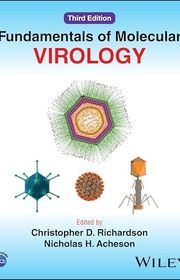
Fundamentals of Molecular Virology
For students who learn well by comparing representative virus families. Its family based approach complements books organized around common processes, though the detailed molecular explanations require prior study of genetics and cell biology.
What it's about
The third edition explains viral replication and host interactions using representative virus groups. Updated chapters cover immunity, vaccines and antiviral agents, with newer material on recent outbreaks, mRNA vaccine technology, oncolytic viruses and virus-mediated gene therapy.

Introduction to Modern Virology
For students seeking a broad first course after introductory biology. Its balance of viruses, hosts and immunity provides more context than a narrowly molecular reference, though the textbook detail requires more effort than a general audience overview.
What it's about
Nigel Dimmock and his coauthors introduce viruses, their interactions with hosts, and the diseases those interactions cause. The textbook discusses immunity, vaccines, antivirals, human infections, and the broader economic and environmental influence of viruses.
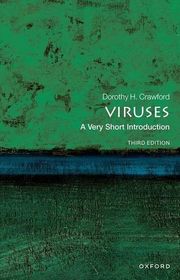
Viruses: A Very Short Introduction
For readers starting without a biology background who want a compact overview. It connects viral biology with outbreaks and human responses more accessibly than the textbooks, though brevity means mechanisms and research methods receive limited detail.
What it's about
Dorothy Crawford introduces what viruses are, how they spread and how they affect human life. The third edition discusses emerging infections and the coronavirus pandemic, using these examples to explain viral behavior, vaccines and the challenge of future outbreaks.

Basic Virology
For undergraduates who want a structured introduction connecting viral biology with methods and disease. Its teaching focus makes it easier to work through than a large specialist reference, though molecular and cellular biology knowledge is still useful.
What it's about
This introductory virology textbook explains virus structure, replication, genetics, and the development of viral disease. It combines molecular biology with laboratory techniques, host defenses, and examples of human viruses, helping students understand how viruses interact with cells.

For advanced students and researchers who need detailed accounts of emerging virus groups. Its specialist chapters provide more depth than a general course text, though the density and narrow focus make it unsuitable as a first introduction.
What it's about
This volume of Fields Virology examines emerging viruses through their biology and medical significance. Chapters address viral families, replication, evolution, host interactions, immune responses, vaccines, and antiviral therapies, providing a reference for students, researchers, and clinicians.

Molecular and Cellular Biology of Viruses
For students who want viral mechanisms explained through comparisons across groups. Its focus on cell entry, gene expression and replication supports a coherent molecular picture, though readers need cell biology background and should check the edition before buying.
What it's about
Phoebe Lostroh explains how viruses enter cells, express their genes, replicate genomes and assemble new particles. Her textbook compares viral groups and examines persistent infections, host defenses, immune evasion, medical applications and viral evolution.

Molecular Virology of Human Pathogenic Viruses
For students focusing on viruses that cause human disease. Its organization by viral families makes it easier to connect molecular mechanisms with particular pathogens, though the scope gives less attention to the wider ecology and diversity of viruses.
What it's about
Wang-Shick Ryu explains human pathogenic viruses within their family classifications. Chapters connect virion and genome structure, viral proteins, replication cycles, and effects on hosts, emphasizing molecular mechanisms and virus-host interactions with study questions and recommended research readings.
Sources
- 1
VIROLOGÍA | guias.usal.es
guias.usal.es
- 2
Virology Books
goodreads.com
- 3
Book recommendation.
reddit.com
- 4
Books or Articles to read for beginners?
reddit.com
- 5
Guía docente de Virología (26111AA)
ugr.es
- 6
The best books on Viruses
fivebooks.com
- 7
Clinical Resources - Infectious Disease - Cleveland Clinic Alumni Library
my.clevelandclinic.libguides.com







Edited by
Software engineer whose passion for tracking book recommendations from podcasts inspired the creation of MRB.
Lead investor at 3one4 Capital whose startup expertise and love for books helped shape MRB and its growth.
Comments
Spotted a missing book, a wrong order or a mistake? Tell us and we'll fix this page.
We're a reading guide, not the author or publisher, so we can't send books or pass on messages.