
20 Best Criminal Psychology Books
The best criminal psychology books, ranked by how many expert sources recommend each one, with notes for choosing research, professional guides, and case accounts.
Our take
Criminal psychology examines behavior connected with offending, investigation, and the justice system. The subject reaches well beyond serial killers: it includes theories of crime, assessment, witness evidence, treatment, and the limits of what investigators can infer. These books range from academic studies and professional handbooks to memoirs and popular accounts of unusual cases. Their purposes and kinds of evidence differ.
Forensic Psychology For Dummies offers a broad introduction before more technical reading. The Psychology of Criminal Conduct develops the academic foundations, while Investigative Psychology concentrates on analyzing criminal action. Mindhunter, Whoever Fights Monsters, and Criminal Shadows provide participant accounts of investigative work. Without Conscience and The Psychopath Whisperer focus on psychopathy, and the practical advice books address narrower everyday concerns. A vivid case can raise useful questions without proving a general rule. Start with the broad introduction, then choose research, professional practice, or a historical case narrative according to what you want to learn.
20 books · 8 sources · Last updated
As an Amazon Associate, we earn from qualifying purchases (at no extra cost to you).
How to choose from this list
Skip to the full rankingIf you're new to the field: Forensic Psychology For Dummies
If you want academic foundations: The Psychology of Criminal Conduct → Investigative Psychology
If you want accounts of investigative work: Mindhunter → Whoever Fights Monsters → Criminal Shadows
If you want to study psychopathy: Without Conscience → The Psychopath Whisperer
If you need professional assessment material: Psychological Evaluations for the Courts
If you want a focus on motive: The Anatomy Of Motive
The 20 books, ranked
Ranked by how many expert sources name each book. Ties go to the book more people recommend.

For readers who want a research-informed popular introduction to psychopathy beyond sensational murder cases. Hare makes the concept accessible through examples, though the descriptions are not a basis for diagnosing acquaintances or equating psychopathy with all violent crime.
What it's about
Robert D. Hare draws on research and case examples to examine psychopathy, including manipulation, deceit, and lack of remorse. He explores how such traits appear beyond sensational murder cases and considers the difficulties of recognition and personal protection.

For readers interested in an investigator’s account of behavioral profiling in violent cases. The career-based examples give the methods a concrete setting, though the graphic sexual violence and selective case histories differ from a balanced research survey.
What it's about
Roy Hazelwood and Stephen G. Michaud examine violent offenders through cases from Hazelwood’s profiling career. Their account connects criminal behavior, sexual violence, and psychological patterns with the investigative techniques used to develop profiles and pursue dangerous suspects.

Inside the Criminal Mind
For readers who want to examine a strongly stated theory centered on offenders’ thinking and choices. Samenow’s clinical perspective makes accountability central, though its emphasis needs balancing against research on social conditions, development, and other influences.
What it's about
Stanton Samenow argues that distinctive patterns of thinking and personal choice are central to criminal behavior. Drawing on his work with offenders, he challenges explanations based on social circumstances and presents his approach to accountability and psychological change.

For readers who want the history of FBI profiling through a participant’s experience. Douglas’s interviews and investigations make the work vivid, though the memoir emphasizes memorable cases and should not be treated as a measure of profiling’s general accuracy.
What it's about
Part memoir and part true crime history, Mindhunter follows Douglas from SWAT agent and hostage negotiator to head of the FBI's profiling unit, detailing prison interviews with notorious killers and the high risk investigations where behavioral analysis changed the search.

For readers who want a broad popular survey of serial murder rather than one investigator’s career. The historical range helps place notorious cases in context, though the detailed violence and sweeping explanations require critical reading.
What it's about
Peter Vronsky surveys serial murder through its history, psychology, cultural setting, and investigation. Accounts of notorious offenders accompany discussion of criminal patterns and profiling, connecting individual cases with broader questions about how repeated killings develop and are detected.

The Anatomy Of Motive
The FBI's Legendary Mindhunter Explores The Key To Understanding And Catching Violent Criminals
For readers interested in how investigators interpret the reasons behind different violent crimes. The focus on motive broadens the discussion beyond serial murder, though the case-driven approach provides less systematic evidence than an academic research text.
What it's about
Rather than catalog crimes, this book digs into motives, from lone bombers and political assassins to workplace shooters and parents who kill their families, showing how early fantasies, grievances, and stressors can push very different offenders toward lethal violence.

For readers interested in the development of FBI behavioral investigation through interviews and field experience. Ressler gives a participant’s perspective on the work, though the retrospective memoir and extreme cases offer a selective view of criminal behavior.
What it's about
FBI profiler Robert Ressler recounts two decades investigating serial murder, drawing on interviews with killers and his work developing behavioral profiles. Written with Tom Shachtman, the memoir examines how investigators use crime scenes and offenders' histories to understand violence.

Dangerous Personalities
An FBI Profiler Shows You How to Identify and Protect Yourself from Harmful People
For readers who want a practical framework for considering manipulative or threatening behavior. Navarro’s experience gives the examples an applied focus, though the broad personality categories simplify complex behavior and do not substitute for an individual assessment.
What it's about
Joe Navarro draws on his FBI experience to examine patterns of manipulative and threatening behavior. Written with Toni Sciarra Poynter, the guide presents his categories of dangerous personalities and discusses recognizing warning signs, assessing situations, and protecting personal boundaries.

For students who want an academic framework for analyzing criminal behavior and investigative inference. The research orientation offers more structure than a profiler’s memoir, though the terminology and methodological discussion require sustained study.
What it's about
David Canter and Donna Youngs examine how psychological analysis can inform criminal investigations. Cases, offender accounts, and research discussions connect profiling, patterns of criminal action, and investigative inference, providing an academic framework for studying behavior and evidence.

The Anatomy of Evil
For readers interested in one psychiatrist’s attempt to classify extreme harmful behavior. The extensive cases give the proposed hierarchy concrete examples, though the moral categories represent a particular interpretive framework rather than a universally accepted clinical scale.
What it's about
Michael H. Stone draws on hundreds of criminal cases to propose a twenty-two-level hierarchy of evil behavior. His discussion examines aggression, narcissism, and other personality features, exploring the psychological and neurological factors he associates with extreme violence.

The Gift of Fear
For readers interested in threat awareness and the interpretation of warning signs. The personal-safety focus makes it more applied than a broad psychology survey, though the anecdotal cases and emphasis on intuition do not provide certainty about another person’s intentions.
What it's about
Security specialist Gavin de Becker uses stories of violence and threatening behavior to discuss personal safety. The book explores patterns in dangerous situations and argues for paying attention to intuitive warnings rather than dismissing uncomfortable observations.

For readers interested in how psychopathy is investigated through prison research and brain imaging. Kiehl’s firsthand research narrative connects methods with individual encounters, though one scientist’s perspective cannot settle all questions about development, responsibility, or treatment.
What it's about
Kent A. Kiehl recounts his work studying psychopathy through encounters with prisoners, behavioral assessment, and brain research. Personal experiences accompany discussion of conscience, development, and neurological differences, raising questions about treatment and the legal response to serious offending.

For readers interested in questioning techniques and the authors’ approach to deception. The intelligence-work examples make the framework concrete, though behavioral cues are ambiguous and the confident presentation should not be mistaken for proof that someone is lying.
What it's about
Former CIA officers Philip Houston, Michael Floyd, and Susan Carnicero explain their approach to detecting deception. Drawing on intelligence work, they discuss questioning techniques and verbal and nonverbal behavior, proposing applications for conversations in professional and personal life.
Also recommended by
1 person Patrick Bet-David recommended this book
Patrick Bet-David
Patrick Bet-David recommended this book on his website.
Patrick Bet-David's recommendation of this book
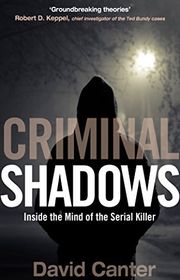
Criminal Shadows: Inside the Mind of the Serial Killer
For readers interested in the development of investigative psychology in Britain. Canter connects casework with attempts to analyze behavioral patterns systematically, though the career-based account gives less coverage of later methodological debates than a current academic text.
What it's about
David Canter describes the development of psychological approaches to criminal investigation. Cases involving serious violence illustrate his efforts to connect patterns of behavior, places, and personal relationships with investigative questions, explaining the thinking behind his approach to offender profiling.

Forensic Psychology For Dummies
For newcomers who want to understand psychology’s wider role in criminal justice. The coverage extends beyond profiling to witnesses, assessment, and treatment, though the introductory format offers less research detail than the academic texts here.
What it's about
David Canter introduces the relationship between psychology and criminal justice through explanations and international case examples. The guide explores criminal behavior, offender profiling, witnesses, assessment, and treatment, showing how psychological knowledge enters investigations and the wider legal process.

Psychological Evaluations for the Courts
A Handbook for Mental Health Professionals and Lawyers
For mental health and legal professionals studying psychological assessment within court proceedings. The connection between evaluation methods and legal questions gives it practical breadth, though the technical detail and jurisdiction-dependent law make it unsuitable as a casual introduction.
What it's about
Gary B. Melton and his coauthors explain forensic psychological assessment across criminal, civil, juvenile, and family proceedings. The handbook connects evaluation methods with legal and ethical requirements, including competency, mental state, report writing, and expert testimony.

For readers interested in how psychopathic traits may appear in organizational settings. The workplace focus broadens the subject beyond violent offenders, though the illustrative patterns cannot establish a diagnosis or explain every form of difficult workplace behavior.
What it's about
Paul Babiak and Robert D. Hare examine how psychopathic traits can operate within corporate workplaces. Their account explores recruitment, manipulation, advancement, and organizational vulnerabilities, with guidance for recognizing concerning patterns and responding to destructive conduct at work.

For students who want a broad academic account of offending rather than a collection of notorious cases. The integration of theory, research, and clinical practice supports systematic study, though the technical depth and historical research base need supplementing with newer work.
What it's about
Ronald Blackburn examines psychological explanations of crime, drawing on developmental, social, and clinical research. The book connects theories of criminal behavior with offender classification, assessment, and treatment, while considering contributions from psychiatry, biology, and law.

For readers who want an accessible theory linking cruelty with empathy. The psychological and neurological discussion gives the argument a clear organizing question, though low empathy alone does not explain every kind of harmful behavior or criminal action.
What it's about
Simon Baron-Cohen develops a theory of cruelty centered on the erosion of empathy. Drawing on psychological and brain research, he examines differing forms of low empathy and considers how biological influences and personal experience may shape harmful behavior.

The Big Book of Serial Killers
150 Serial Killer Files of the World's Worst Murderers
For readers who want a reference-style collection of offender profiles. The consistent entries make it easy to compare cases, though the emphasis on cataloging perpetrators and crimes offers less psychological explanation or methodological scrutiny than the specialist studies.
What it's about
Jack Rosewood and Rebecca Lo compile profiles of 150 serial killers, including notorious offenders and less familiar cases. Organized entries bring together biographical details and accounts of crimes, offering an encyclopedic overview of people associated with repeated murder.
Sources
- 1
Best Criminal Psychology Books Which Written by Criminal Psychologist
newhopepsychology.com
- 2
Top 15 Best Selling Criminal Psychology Books | Criminal
vocal.media
- 3
100 Best Forensic Psychology Books of All Time (Updated for 2026)
shortform.com
- 4
Criminal Profiling Agency: Criminal Profiler Pat Brown: Recommended Reading
patbrownprofiling.com
- 5
Criminal Psychology Books
goodreads.com
- 6
Looking for recommendations on the best books about criminal psychology : r/AcademicPsychology
reddit.com
- 7
5 Great Books For Forensic Psychologists – Best Masters in Psychology
bestmastersinpsychology.com
- 8
The Best Books on Forensic Psychology - Five Books
fivebooks.com








Edited by
Software engineer whose passion for tracking book recommendations from podcasts inspired the creation of MRB.
Lead investor at 3one4 Capital whose startup expertise and love for books helped shape MRB and its growth.
Comments
Spotted a missing book, a wrong order or a mistake? Tell us and we'll fix this page.
We're a reading guide, not the author or publisher, so we can't send books or pass on messages.