
13 Best Molecular Biology Books
The best molecular biology books, ranked by how many expert sources recommend each one, with notes for new learners, advanced students and researchers.
Our take
Molecular biology explains how DNA, RNA and proteins work together to make cells function. These books help readers understand how genetic information is stored and expressed, how molecules interact and how experiments reveal biological mechanisms. Some provide a first foundation, while others assume enough biology to support a demanding university course or research reference.
Essential Cell Biology offers a manageable introduction before the broader treatment in Molecular Biology of the Cell. Molecular Biology of the Gene and Lewin's Essential Genes concentrate more closely on genetic information. Karp's Cell and Molecular Biology and Molecular Cell Biology connect concepts with experimental work. For a different perspective, Physical Biology of the Cell uses quantitative models, while Gene Machine follows the research behind the ribosome's structure. Older editions can still explain core mechanisms, but newer techniques and findings need current material alongside them.
Start with Essential Cell Biology for a textbook foundation, or The Gene: An Intimate History for an accessible account of heredity's scientific and human history.
13 books · 9 sources · Last updated
As an Amazon Associate, we earn from qualifying purchases (at no extra cost to you).
How to choose from this list
Skip to the full rankingIf you're beginning a biology course: Essential Cell Biology → Molecular Biology of the Cell
If you want to focus on genetic information: Lewin's Essential Genes → Molecular Biology of the Gene
If you want concepts connected to experiments: Karp's Cell and Molecular Biology → Molecular Cell Biology
If you want quantitative models: Physical Biology of the Cell
If you're studying viruses: Molecular and Cellular Biology of Viruses
If you prefer scientific history and memoir: The Gene → Gene Machine
The 13 books, ranked
Ranked by how many expert sources name each book. Ties go to the book more people recommend.

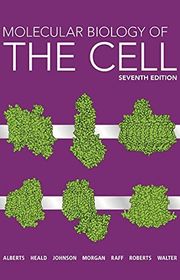
Molecular Biology of the Cell
For students and researchers who want a substantial reference connecting molecular mechanisms with whole-cell behavior. Its illustrations and integrated explanations support deep study, but its size makes selective reading more manageable than a quick introductory pass.
What it's about
Bruce Alberts and his coauthors explain cells through their molecular components and coordinated processes. The textbook connects proteins, genes, membranes, signaling, and cell division with the organization of tissues and the biological mechanisms underlying cellular life.
Also recommended by
2 people Sam Altman recommended this book
Sam Altman
One of Sam Altman's answers to "What are some of the best books you recommend for a young startup founder?"
Sam Altman's recommendation of this book  Alan Kay recommended this book
Alan Kay
"For many years it has been the best single volume narrative of 'life from scratch.'" - Alan Kay
Alan Kay's recommendation of this book

Molecular Biology of the Gene
For readers whose main interest is how genetic information is copied, expressed and regulated. Its gene-centered organization gives those mechanisms sustained attention, though it offers less breadth on cellular structures and tissues than a general cell biology text.
What it's about
This textbook explains how genetic information is stored, maintained, expressed, and regulated. Its coverage connects DNA, RNA, and protein structure with replication, repair, transcription, translation, molecular research techniques, and gene regulation in development and evolution.
Also recommended by
1 person- Alan Kay recommended this book
Alan Kay
"A lovely book to read." - Alan Kay
Alan Kay's recommendation of this book
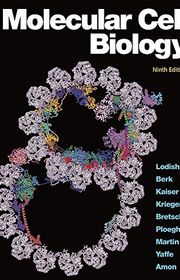
Molecular Cell Biology
For advanced undergraduates who want molecular mechanisms linked to experiments and human disease. Its research and medical examples give cellular processes context, but the extensive coverage requires more background and study time than an introductory overview.
What it's about
Harvey Lodish and his coauthors explain cellular organization and function through molecular mechanisms. Experimental techniques and medically relevant examples connect genes, proteins, signaling and cellular processes with research discoveries and the biological basis of health and disease.

For general readers who want the history and human implications of heredity before a technical course. Its blend of science, family history and ethics gives the subject context, but it cannot replace systematic study of molecular mechanisms.
What it's about
Siddhartha Mukherjee traces the history of genetics while weaving in his family’s experiences of mental illness. The account examines discoveries about heredity, the misuse of genetic ideas, and ethical questions raised by growing power to understand and alter genes.
Also recommended by
4 people Bill Gates recommended this book
Bill Gates
"Mukherjee once again shows his gift for making hard science easily accessible." - Bill Gates
Bill Gates's recommendation of this book  John Legend recommended this book
John Legend
"So interesting and well written." - John Legend
John Legend's recommendation of this book  Bryan Johnson recommended this book
Bryan Johnson
"A great book." - Bryan Johnson
Bryan Johnson's recommendation of this book  Reid Hoffman recommended this book
Reid Hoffman
Reid Hoffman told McKinsey he was reading this book.
Reid Hoffman's recommendation of this book

Essential Cell Biology
For newcomers who want a manageable foundation before tackling a larger textbook. Its clear explanations and illustrations make cellular mechanisms easier to follow, but advanced students will need a more detailed reference as their questions become specialized.
What it's about
Bruce Alberts and his coauthors introduce the molecular processes that make cells function. Clear explanations and illustrations cover cellular structures, proteins, genetic information, and energy, providing an introductory foundation for understanding life at the cellular level.

For readers curious about how molecular discoveries happen inside competitive research. Its firsthand account makes structural biology and scientific uncertainty tangible, but the narrow ribosome-centered story provides neither a general textbook nor laboratory instructions.
What it's about
Venki Ramakrishnan recounts the scientific race to uncover the structure of the ribosome, the cell's protein-making machinery. His memoir combines the story of his research career with competition, collaboration, and uncertainty, offering an insider's account of how major discoveries happen.
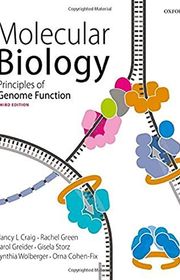
Molecular Biology: Principles of Genome Function
For students who want genome function organized around shared molecular principles across organisms. Its experimental panels connect mechanisms with evidence, but the sustained focus on genetic information offers less general cell biology than the broader references.
What it's about
Nancy Craig and her coauthors examine how molecular components cooperate to maintain and express genomes. Shared principles and instructive differences across organisms structure the text, while experimental panels and a techniques chapter explain how researchers investigate these processes.
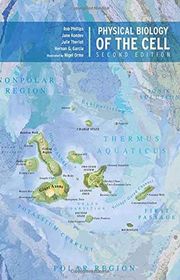
Physical Biology of the Cell
For biologists and physicists who want quantitative explanations of cellular behavior. Its use of physical models develops intuition beyond descriptive mechanisms, but the mathematical approach requires more comfort with calculation than the standard biology textbooks here.
What it's about
Rob Phillips and his coauthors explain cellular and molecular biology through physical principles and quantitative models. The textbook groups biological phenomena by the concepts that connect them, using illustrations and problems to develop intuition across physics and biology.

Karp's Cell and Molecular Biology
For students who want biological concepts connected to the experiments that established them. Its research-oriented examples help explain how knowledge develops, but the breadth of material can demand more time than a concise introductory course allows.
What it's about
Gerald Karp, Janet Iwasa and Wallace Marshall introduce cellular and molecular biology through concepts and the experiments behind them. The textbook connects biological mechanisms with research, including applications involving plant biology and bioengineering.

Cell and Molecular Biology
For students who want a traditional introduction linking cell structures with molecular organization. Its broad survey can reinforce foundational vocabulary and concepts, but this older text needs supplementation for newer research methods and developments.
What it's about
Eduardo and E. M. F. De Robertis introduce cellular structure, molecular organization and investigative techniques. Their textbook examines cells through their components and processes, linking the study of organelles and biological molecules with experimental cell biology.

Lewin's Essential Genes
For students seeking a focused introduction to molecular genetics rather than a survey of every cell component. Its organization around genes, chromosomes and expression supports a coherent course, though some background in basic biology makes the progression easier.
What it's about
Jocelyn Krebs, Elliott Goldstein and Stephen Kilpatrick introduce the molecular basis of genetics. The textbook organizes its account around genes and chromosomes, DNA replication and recombination, gene expression and regulation, connecting genetic mechanisms to cellular function.

For students who want cell biology explained through molecular mechanisms and experimental evidence. Its balance of concepts and research supports a structured course, though readers seeking a narrow treatment of gene regulation may prefer a gene-centered text.
What it's about
Geoffrey Cooper and Robert Hausman introduce cell biology through a molecular framework, balancing fundamental concepts with experimental detail. Examples from plant biology, development, immunity and neuroscience illustrate broader principles, alongside research and medical applications.

Molecular and Cellular Biology of Viruses
For readers who want to understand viral replication through the molecular processes viruses share and modify. Its comparisons connect virology with cell biology, but the specialist focus makes it a companion to a general molecular biology textbook.
What it's about
Phoebe Lostroh explains how viruses enter cells, express their genes, replicate genomes and assemble new particles. Her textbook compares viral groups and examines persistent infections, host defenses, immune evasion, medical applications and viral evolution.
Sources
- 1
Scientist in Molecular Biology - MB(ASCP) and MB(ASCPi)
ascp.org
- 2
100 Best Molecular Biology Books of All Time
shortform.com
- 3
Molecular Biology Books
goodreads.com
- 4
Books you recommend
reddit.com
- 5
Hi guys, can you suggest me the best and most updated molecular biology book?
reddit.com
- 6
Health Sciences Textbooks: Biochemistry / Molecular Biology
libraryguides.missouri.edu
- 7
Molecular Biology Books
whats-your-iq.com
- 8
15 Must-read Biochemistry, Genetics & Molecular Biology Books
scijournal.org
- 9
Quantitative Molecular Biology: Reference Books
matisse.ucsd.edu








Edited by
Software engineer whose passion for tracking book recommendations from podcasts inspired the creation of MRB.
Lead investor at 3one4 Capital whose startup expertise and love for books helped shape MRB and its growth.
Comments
Spotted a missing book, a wrong order or a mistake? Tell us and we'll fix this page.
We're a reading guide, not the author or publisher, so we can't send books or pass on messages.