
18 Best Teaching Books
The best teaching books, ranked by how many expert sources recommend each one, with guidance for classroom routines, lesson design, and understanding learning.
Our take
Teaching books can help with tomorrow’s lesson, the shape of a whole course, or the assumptions behind daily classroom decisions. The useful choice depends on which problem you want to examine. A guide to routines answers different questions from a book about memory, and a school reform study works at a different scale from either.
The First Days of School concentrates on preparation and classroom procedures. Teach Like a Champion offers specific instructional techniques, while Essential Questions and Understanding by Design help organize learning around larger goals. For learning research, Why Don't Students Like School? and Make It Stick provide accessible foundations. College instructors may find Small Teaching and What the Best College Teachers Do more directly aligned with their setting. Other books address creativity, culturally responsive practice, and the organizational conditions surrounding teachers’ work.
Begin with the book closest to a recurring difficulty, then pair practical advice with a framework that helps you judge when and why to use it.
18 books · 9 sources · Last updated
As an Amazon Associate, we earn from qualifying purchases (at no extra cost to you).
How to choose from this list
Skip to the full rankingIf you're preparing your first classroom: The First Days of School → Teach Like a Champion
If you want to understand learning: Why Don't Students Like School? → Make It Stick → Powerful Teaching
If you're planning a unit: Essential Questions → Understanding by Design
If you teach at college: Small Teaching → How Learning Works → What the Best College Teachers Do
If you want to examine culture and learning: Culturally Responsive Teaching and the Brain
If you're examining school reform: So Much Reform, So Little Change
The 18 books, ranked
Ranked by how many expert sources name each book. Ties go to the book more people recommend.

The First Days of School
For new teachers who want routines and preparation made concrete before the school year begins. Its practical structure reduces the number of decisions left to improvisation, though the prescriptive style needs adjustment for age, setting, and teaching values.
What it's about
Harry and Rosemary Wong guide teachers through organizing a classroom and establishing effective routines at the start of a school year. Their approach connects classroom management with lesson planning and student learning, offering practical guidance for both new and experienced educators.
How Learning Works
For instructors who want a framework for diagnosing why students struggle. Its organizing principles connect prior knowledge, motivation, practice, and classroom climate, though the higher education examples require adaptation for younger learners and particular subjects.
What it's about
The authors organize learning research into seven principles relevant to teaching, including prior knowledge, motivation, practice, development, and self direction. Examples and strategies connect those principles with common problems encountered by instructors designing courses and supporting students.
Culturally Responsive Teaching and the Brain
For teachers examining how classroom culture and relationships affect students’ opportunities to learn. Its focus on independent learning extends beyond celebrating diversity, though its synthesis of neuroscience and pedagogy requires careful interpretation rather than literal application.
What it's about
Zaretta Hammond connects culturally responsive teaching with ideas about cognition, relationships, and learner independence. She discusses how teachers can examine cultural assumptions, strengthen learning partnerships, and support students in doing more demanding intellectual work within the classroom.

For educators who want to rethink familiar habits of practice and review. Its research informed narrative makes learning principles accessible across settings, though it addresses learners broadly and leaves teachers to design many classroom applications themselves.
What it's about
Peter Brown, Henry Roediger, and Mark McDaniel explore how learning and memory work through cognitive research and real-life stories. They challenge familiar study habits and present practical approaches for students, educators, and adults developing new skills.

Teach Like a PIRATE
Increase Student Engagement, Boost Your Creativity, and Transform Your Life as an Educator
For teachers looking for prompts to make lessons more engaging and personally expressive. Its energetic approach can help break planning habits, though memorable presentation alone does not establish what students understand or retain.
What it's about
Burgess presents an approach to teaching centered on passion, creativity and student engagement. Drawing on his classroom experience and workshops, he offers techniques and prompts for generating lesson ideas and making learning experiences more memorable.
Small Teaching
For college instructors who want manageable changes rather than a complete course redesign. Its emphasis on brief teaching moves makes learning research approachable, though small interventions cannot resolve every problem in curriculum, assessment, or institutional conditions.
What it's about
James Lang connects research on learning with practical changes that instructors can make during ordinary classes. Activities involving retrieval, prediction, explanation, and connection help teachers reconsider how students encounter information and build understanding over time.
Teach Like a Champion
For teachers who want a reference of concrete instructional techniques rather than a general philosophy. Its named routines support focused rehearsal and observation, though the structured approach needs thoughtful adaptation to classroom culture and individual students.
What it's about
Doug Lemov presents classroom techniques for explanations, questioning, practice, participation, and productive routines. The third edition updates the collection with examples intended to help teachers examine instructional decisions and develop specific practices through study, observation, and rehearsal.
Understanding by Design
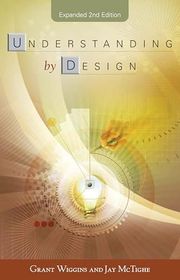
For teachers who want to plan backward from meaningful learning goals and evidence of understanding. Its curriculum framework connects assessment with instruction, though the planning process requires more sustained work than selecting individual classroom activities.
What it's about
Grant Wiggins and Jay McTighe present backward design, beginning curriculum planning with desired understanding and evidence of learning before choosing activities. Examples and templates show how essential questions, assessment, and instruction can form a coherent unit.
What the Best College Teachers Do
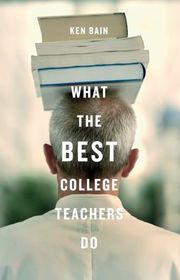
For college instructors who want to examine the beliefs and decisions behind effective teaching. Its portraits encourage reflection beyond isolated techniques, though observations of selected successful teachers do not amount to a universal formula for every course.
What it's about
Ken Bain examines how selected college teachers understand learning, prepare courses, engage students, and evaluate their work. Observations and interviews reveal recurring approaches to challenging questions, supportive learning environments, and expectations that shape students’ intellectual development.

Why Don't Students Like School?
A Cognitive Scientist Answers Questions About How the Mind Works and What It Means for the Classroom
For teachers who want cognitive principles explained in language they can connect to everyday lessons. Its questions provide a clear route into memory and understanding, though translating general findings into subject specific practice still requires judgment.
What it's about
Daniel Willingham translates cognitive research into nine principles for classroom teaching. He explains the roles of memory, prior knowledge, stories, emotion, and practice in learning, offering applications intended to help teachers engage students and strengthen understanding.
Also recommended by
1 person Bill Gates recommended this book
Bill Gates
List of books Bill Gates read in 2012.
Bill Gates's recommendation of this book

For elementary and middle school teachers designing work across arts, science, and technical subjects. Its integrated project framework offers more planning direction than broad creativity arguments, though implementation depends on time, collaboration, and curricular flexibility.
What it's about
Quigley and Danielle Herro present a model for integrating arts with science, technology, engineering and mathematics in elementary and middle-school classrooms. Real-world problems, student interests, assessment and school implementation guide their approach to connected learning.

For educators who want a broad argument for creativity in schools and organizations. Its cultural perspective can help question habitual priorities, though it offers less concrete lesson planning or classroom management guidance than the practical books here.
What it's about
Robinson examines creativity in education and business, asking why people lose confidence in their creative abilities. He considers how schools and organizations can cultivate imagination, drawing connections between individual development and broader cultural change.
Powerful Teaching
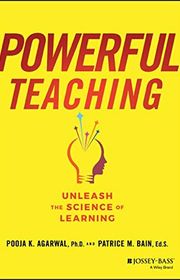
For teachers who want concrete ways to apply retrieval and related learning principles. Its collaboration between a researcher and a classroom teacher keeps implementation visible, though the recurring strategies still need alignment with subject content and assessment goals.
What it's about
Pooja Agarwal and Patrice Bain translate learning research into classroom strategies involving retrieval practice, spacing, interleaving, and feedback. Examples connect the underlying ideas with ordinary teaching decisions, showing how lessons can give students repeated opportunities to strengthen learning.

For teachers and school leaders who want to understand why reform efforts stall. Its focus on organizational relationships broadens the discussion beyond individual technique, though the dense analysis and urban American setting demand attention to context.
What it's about
Payne investigates why repeated reforms have struggled in urban schools. He examines organizational dysfunction, relationships and the gap between policy and daily realities, arguing that improvement depends on understanding the social infrastructure within schools.

The Innovator’s Mindset
Empower Learning, Unleash Talent, and Lead a Culture of Creativity
For educators and leaders who want to support experimentation across a school community. Its emphasis on adult learning reaches beyond individual lesson ideas, though the motivational framing offers fewer detailed methods for evaluating whether an innovation improves learning.
What it's about
George Couros encourages educators to cultivate curiosity, creativity, and a willingness to try new approaches. He explores how teachers and school leaders can support one another as learners, strengthen community connections, and build a culture that gives students greater opportunities to innovate.

Vintage Innovation
Leveraging Retro Tools and Classic Ideas to Design Deeper Learning Experiences
For teachers who want creative learning without assuming that newer technology is always better. Its use of familiar tools offers an alternative to device centered innovation, though the examples still need adaptation to particular subjects and available resources.
What it's about
John Spencer explores how classic teaching ideas and familiar tools can combine with newer technologies to create meaningful learning experiences. Classroom examples connect hands-on work, discussion, and creative projects with an approach that uses constraints as opportunities for innovation.

For teachers who want questions to drive units rather than simply check recall. Its examples help distinguish genuine inquiry from factual prompts, though sustained use requires careful subject knowledge and more preparation than adopting an isolated discussion technique.
What it's about
McTighe and Grant Wiggins explain how essential questions can organize teaching around inquiry and understanding. Classroom examples show how to develop and use questions across subjects, connect them with standards and sustain discussion beyond factual recall.

Visible Learning and the Science of How We Learn
For educators who want a broad account of the psychological processes involved in learning. Its range connects cognition with relationships and motivation, though the many topics provide less sustained implementation guidance than a focused classroom manual.
What it's about
John Hattie and Gregory Yates connect classroom learning with findings from cognitive and social psychology. They explore memory, cognitive load, teacher-student relationships, confidence, and self-control, offering explanations and study questions for educators seeking to understand how people learn.
Sources
- 1
The Top 50 Best Books for Teachers in 2023
fractuslearning.com
- 2
29 Must-Have Professional Development Books for Teachers
boredteachers.com
- 3
Essential Books for New Teachers
edutopia.org
- 4
Teaching Books
goodreads.com
- 5
What's the best teaching-related book you've ever read?
reddit.com
- 6
Book Recommendations for New Teachers?
reddit.com
- 7
Recommended Books on Teaching
niu.edu
- 8
10 Books To Make You A More Effective Teacher
ctl.wustl.edu
- 9
16 Books About Learning Every Teacher Should Read
teachthought.com




Edited by
Software engineer whose passion for tracking book recommendations from podcasts inspired the creation of MRB.
Lead investor at 3one4 Capital whose startup expertise and love for books helped shape MRB and its growth.
Comments
Spotted a missing book, a wrong order or a mistake? Tell us and we'll fix this page.
We're a reading guide, not the author or publisher, so we can't send books or pass on messages.