
7 Best Soccer Coaching Books
The best soccer coaching books, ranked by expert source recommendation counts, with notes for coaches choosing youth development, teaching, and tactics guides.
Our take
Soccer coaching books can help with planning practices, understanding player decisions, teaching more clearly, or leading a team. Those needs vary with the players’ ages, experience, and environment. A book written around elite management serves a different purpose from one about youth development, and tactical history provides context rather than a sequence of sessions to follow.
Making The Ball Roll offers a broad approach to working with young players, while Developing Youth Football Players gives particular attention to learning through appropriately demanding games. The Coach’s Guide to Teaching examines how coaching communication supports learning. Soccer IQ addresses players directly, making it useful when looking for clear ways to discuss decisions on the field.
Soccer Coaching introduces everyday team responsibilities, while Leading considers management through an elite coach’s experience. Inverting the Pyramid supplies historical context for tactical ideas. Start with the problem you face most often, then adapt what you read to the players in front of you.
7 books · 8 sources · Last updated
As an Amazon Associate, we earn from qualifying purchases (at no extra cost to you).
How to choose from this list
Skip to the full rankingIf you're starting with youth development: Making The Ball Roll → Developing Youth Football Players
If you want to improve your teaching: The Coach’s Guide to Teaching
If you want to discuss match decisions with players: Soccer IQ
If you need help with everyday team responsibilities: Soccer Coaching
If you want a perspective on team leadership: Leading
If you want to understand tactical history: Inverting the Pyramid
The 7 books, ranked
Ranked by how many expert sources name each book. Ties go to the book more people recommend.

For coaches who want to understand where tactical systems came from and why they changed. Wilson connects formations with people and football cultures, though the historical narrative explains ideas rather than supplying ready to use training sessions.
What it's about
Jonathan Wilson traces the development of soccer tactics through changing formations and the coaches who spread new ideas. His history connects different national traditions, examining how individual skill, collective organization, and exchanges between football cultures shaped the modern game.

For coaches who want concise ways to discuss decisions players make during matches. Blank’s direct address makes the situations accessible to players themselves, though the individual lessons need thoughtful integration into practice rather than simply being read as instructions.
What it's about
Dan Blank addresses soccer players directly through common mistakes and practical decisions on the field. Drawing on collegiate coaching, he discusses situations such as rebounds, fouls, and wet-weather play, explaining ways to recognize opportunities and think more effectively during games.
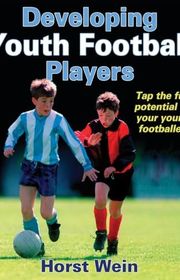
Developing Youth Football Players
For youth coaches who want learning activities matched to developing players rather than adult football scaled down. Wein emphasizes game understanding through progressively demanding play, though the approach requires patience and adjustment to local competition formats and resources.
What it's about
Horst Wein presents a developmental approach to youth football using games and activities suited to different stages of learning. The book connects technical abilities with decision making, helping coaches consider how practice can build understanding as well as execution.

For youth coaches who want a broad framework connecting sessions with player development. Power considers communication, psychology, and planning alongside tactics, though the wide scope requires coaches to adapt the ideas to their players’ ages and local circumstances.
What it's about
Ray Power examines youth soccer coaching through training, tactics, psychology, and communication. Examples from coaches and development programs accompany discussion of age-appropriate sessions and planning, helping readers consider how technical, physical, and social development shape their work with young players.

The Coach’s Guide to Teaching
For coaches who want to improve how they explain, demonstrate, and reinforce learning. Lemov connects teaching decisions with the demands of sport, though the broader coaching perspective requires adaptation to soccer’s particular ages, environments, and playing situations.
What it's about
Doug Lemov applies the science of classroom learning to sports coaching. Drawing connections between teachers and coaches, he examines how athletes learn and offers guidance for addressing teaching challenges on the field, court, rink, and other sporting settings.
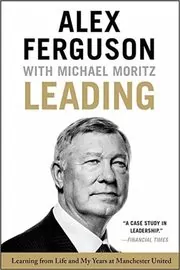
For coaches interested in standards, relationships, and the long term work of leading a team. Ferguson’s experience gives the management reflections a concrete setting, though an elite professional environment differs sharply from volunteer and youth soccer.
What it's about
Part memoir, part management book, Leading turns Ferguson's years at Aberdeen and Manchester United into lessons about standards, hiring, teamwork, pressure, and renewal. It is less about match reports and more about how a winning culture is built and protected.
Also recommended by
1 person Daniel Ek recommended this book
Daniel Ek
"[The author] grew Manchester United into one of the best known brands today, and that’s what fascinates me about him." - Daniel Ek
Daniel Ek's recommendation of this book

Soccer Coaching
A Step-by-Step Guide on How to Lead Your Players, Manage Parents, and Select the Best Formation
For newer coaches who want help coordinating team leadership, parents, and formation choices. Joseph brings those everyday responsibilities together in one introduction, though the broad coverage offers less depth than a specialist book on teaching or player development.
What it's about
Dylan Joseph offers practical guidance for leading a soccer team and organizing what players learn in practice. The book addresses relationships with players, difficult conversations with parents, club expectations, and decisions about formations and team leadership.
Sources
- 1
Best Soccer Coaching Books for Coaches & Players - Portable Sports Coach
portablesportscoach.com
- 2
Best Football Coaching Books | FCD
fcd.football
- 3
Coaching reads — books worth your time · SimpleDrills
simpledrills.com
- 4
100 Best Football Coaching Books of All Time (Updated for 2026)
shortform.com
- 5
Soccer Coaching Books
goodreads.com
- 6
books on Coaching Youth Soccer? : r/SoccerCoachResources
reddit.com
- 7
The Best Soccer Coaching Books
thefalse9.com
- 8
Soccer Training Books - 50 Coaching and Drills Books | Pardaan
soccer.pardaan.com










Edited by
Software engineer whose passion for tracking book recommendations from podcasts inspired the creation of MRB.
Lead investor at 3one4 Capital whose startup expertise and love for books helped shape MRB and its growth.
Comments
Did we miss something? Have feedback?
Help us improve this page by sharing your thoughts