
9 Best Educational Psychology Books
The best educational psychology books, ranked by expert-source recommendations, with notes for teachers, students and parents choosing where to begin.
Our take
Educational psychology asks how people learn, what motivates them and how teaching can respond to differences in development and experience. The books here serve different purposes. Some are broad textbooks for university study or teacher preparation. Others concentrate on memory, classroom thinking or observations of children, making them more approachable for parents and readers exploring the subject for the first time.
Make It Stick focuses on learning and memory, while Why Don't Students Like School? connects cognitive ideas with classroom questions. How Learning Happens introduces influential research through individual studies. Anita Woolfolk’s Educational Psychology offers a broader course foundation. How Children Learn and The Absorbent Mind provide historically influential perspectives on curiosity and early development, which benefit from reading alongside more recent research rather than treating them as complete accounts of the field.
Start with Make It Stick for your own learning habits, or Why Don't Students Like School? if your main interest is teaching.
9 books · 6 sources · Last updated
As an Amazon Associate, we earn from qualifying purchases (at no extra cost to you).
How to choose from this list
Skip to the full rankingIf you want to improve your own studying: Make It Stick
If you want ideas connected to classroom questions: Why Don't Students Like School? → How Learning Happens
If you want a broad course foundation: Educational Psychology
If you want historical views of childhood learning: How Children Learn → The Absorbent Mind
If you want to explore educational opportunity: How Children Succeed
The 9 books, ranked
Ranked by how many expert sources name each book. Ties go to the book more people recommend.

Why Don't Students Like School?
A Cognitive Scientist Answers Questions About How the Mind Works and What It Means for the Classroom
For teachers who want cognitive ideas translated into questions they face in class. Its clear explanations connect memory, knowledge and attention with teaching decisions, but it covers a selected framework rather than the field’s full range of theories.
What it's about
Daniel Willingham translates cognitive research into nine principles for classroom teaching. He explains the roles of memory, prior knowledge, stories, emotion, and practice in learning, offering applications intended to help teachers engage students and strengthen understanding.
Also recommended by
1 person Bill Gates recommended this book
Bill Gates
List of books Bill Gates read in 2012.
Bill Gates's recommendation of this book

For students and teachers who want to reconsider familiar study habits. Its research-led explanations connect memory principles with practical learning choices, but the memorable examples do not amount to a complete course in educational psychology.
What it's about
Peter Brown, Henry Roediger, and Mark McDaniel explore how learning and memory work through cognitive research and real-life stories. They challenge familiar study habits and present practical approaches for students, educators, and adults developing new skills.
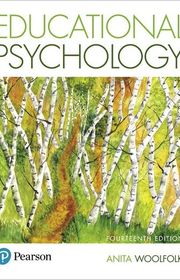
Educational Psychology
For teacher-training students who want one broad course text rather than a collection of learning tips. Its connections between research, teaching and assessment provide breadth, but the linked fourteenth edition should be checked against current course requirements.
What it's about
Anita Woolfolk introduces psychological research relevant to teaching, including development, learning, motivation and assessment. The fourteenth edition connects theory with classroom practice while considering student diversity and inclusive education, giving prospective teachers a broad foundation for further study.
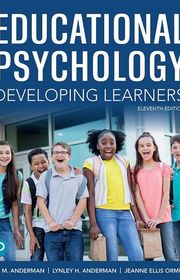
Educational Psychology: Developing Learners
For students who want learning and development examined within a broad educational framework. Its research-to-practice approach connects psychological concepts with classroom decisions, but the textbook scope requires more sustained study than the accessible introductory books here.
What it's about
Jeanne Ellis Ormrod, Eric Anderman and Lynley Anderman examine psychological principles relevant to learners and teaching. The textbook connects development, learning and classroom practice, helping students consider how educational decisions relate to the ways learners think, develop and participate.
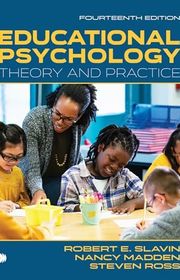
Educational Psychology: Theory and Practice
For prospective teachers who want educational psychology organized around becoming an effective classroom practitioner. Its emphasis on connecting theory with teaching decisions supports applied study, but the broad textbook treatment is less convenient for a quick, focused question.
What it's about
Robert Slavin presents educational psychology with an emphasis on its application to teaching. The textbook connects psychological concepts with the intellectual and practical decisions teachers make, providing a framework for understanding learners and developing classroom practice.

How Children Learn
For parents and educators who want to observe children’s curiosity more carefully. Its close descriptions of everyday learning offer a different perspective from formal textbooks, but the observational, historical approach should not be mistaken for a current research synthesis.
What it's about
John Holt draws on observations of children to examine learning through play, language, reading, and other everyday activities. He argues for nurturing natural curiosity and confidence, exploring how adults can support children's developing abilities without overwhelming them.

For readers interested in how adversity, environments and personal qualities interact with educational opportunity. Its reporting gives abstract debates a human scale, but the character-centered framing is less comprehensive than a textbook account of development and learning.
What it's about
Paul Tough explores why some children thrive despite difficult circumstances, focusing on qualities such as perseverance, curiosity, and self-control. Reporting on researchers, educators, families, and students, he examines how environments and experiences influence character and educational opportunity.
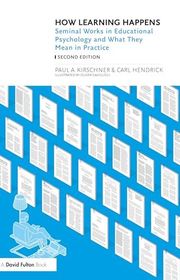
How Learning Happens
For teachers who want an introduction to influential studies rather than isolated classroom tips. Its study-by-study structure links research with educational implications, but the selective explanations are a starting point for reading original work, not a substitute.
What it's about
Paul Kirschner and Carl Hendrick introduce influential researchers and studies in educational psychology. The book explains findings about learning and considers their educational implications, helping teachers connect research literature with questions about effective learning and classroom practice.

The Absorbent Mind
For readers who want to understand the foundations of Montessori’s approach to early childhood. Its attention to activity and surroundings gives the theory a clear educational purpose, but the historical language and framework need context alongside contemporary research.
What it's about
Maria Montessori develops her theory of the absorbent mind, focusing on how children learn during their first six years. Drawing on her observations, she examines early development and the relationship between a child's activity, surroundings, and education.
Sources
- 1
5 Great Books for Educational Psychologists
onlinepsychologydegree.info
- 2
100 Best Educational Psychology Books of All Time
shortform.com
- 3
Educational Psychology Books
goodreads.com
- 4
5 Great Books for Educational Psychology
bestmastersinpsychology.com
- 5
Educational Psychology Interactive: Additional Readings in Educational Psychology
edpsycinteractive.org
- 6
I'm looking for a good book about educational psychology!
reddit.com




Edited by
Software engineer whose passion for tracking book recommendations from podcasts inspired the creation of MRB.
Lead investor at 3one4 Capital whose startup expertise and love for books helped shape MRB and its growth.
Comments
Spotted a missing book, a wrong order or a mistake? Tell us and we'll fix this page.
We're a reading guide, not the author or publisher, so we can't send books or pass on messages.