
20 Best Memory Improvement Books
The best memory improvement books, ranked by how many expert sources recommend each one, with guidance for everyday recall, studying, and understanding memory.
Our take
Improving memory can mean remembering a name, retaining a course, or understanding why a familiar detail slips away. Those aims call for different books. Mnemonic guides teach deliberate ways to organize information, learning books focus on study and practice, and scientific accounts explain both memory’s usefulness and its limits. Historical studies add another perspective on how people have trained recall.
The Memory Book, Your Memory, and Remember It! offer techniques to practice on specific tasks. Make It Stick and A Mind for Numbers connect remembering with learning and applying difficult material. Moonwalking with Einstein provides a narrative introduction to competitive memory, while Remember explains ordinary remembering and forgetting. The Memory Illusion is a useful counterweight to the assumption that a vivid recollection must be accurate.
Start with the task you want to improve and choose a method you can practice repeatedly. Read the broader diet and lifestyle books as distinct approaches, rather than expecting them to teach the same skills as mnemonic manuals.
20 books · 7 sources · Last updated
As an Amazon Associate, we earn from qualifying purchases (at no extra cost to you).
How to choose from this list
Skip to the full rankingIf you want everyday recall techniques: The Memory Book → Remember It!
If you want a systematic practical guide: Your Memory
If you want to study more effectively: Make It Stick → A Mind for Numbers
If you're curious about memory training: Moonwalking with Einstein
If you want to understand forgetting and errors: Remember → The Memory Illusion
If you want historical depth: The Art Of Memory
The 20 books, ranked
Ranked by how many expert sources name each book. Ties go to the book more people recommend.

For curious beginners who want to understand memory training through a reporter’s experience. Its narrative makes the techniques and culture approachable, though readers wanting a structured exercise manual will need to turn the ideas into their own practice.
What it's about
Joshua Foer recounts training for competitive memory events while investigating the history and science of remembering. His journey among memory athletes explores techniques, practice, and the relationship between exceptional feats of recall and the ordinary workings of human memory.
Also recommended by
3 people Bill Gates recommended this book
Bill Gates
"I never thought much about whether I could improve my memory across a wider set of domains, but now I think I could, after reading [this book]." - Bill Gates
Bill Gates's recommendation of this book  Chelsea Handler recommended this book
Chelsea Handler
"It has changed my life and made me embarrass myself much less when meeting someone twice." - Chelsea Handler
Chelsea Handler's recommendation of this book  Sahil Lavingia recommended this book
Sahil Lavingia
Sahil Lavingia recommended this book on Notion.
Sahil Lavingia's recommendation of this book

The Memory Book
The Classic Guide to Improving Your Memory at Work, at School, and at Play
For readers who want a broad introduction to using associations in daily recall tasks. Its range of names, numbers, and other applications makes the system tangible, though older examples and the need for repeated practice limit quick results.
What it's about
Harry Lorayne and Jerry Lucas explain a memory system for use at work, school, and home. Their techniques address remembering names, numbers, appointments, and foreign vocabulary, alongside reading comprehension and recalling useful details in social situations.

For readers who want a defined practice period and concrete everyday recall tasks. Its mental filing approach supplies a usable structure, though the thirty day framing should be treated as a training schedule rather than a guaranteed result.
What it's about
Ron White presents a thirty-day approach to practicing memory skills. He introduces mnemonic methods and a mental filing system for recalling names, faces, numbers, speeches, and study material, with guidance on applying the techniques to everyday tasks.

The Art Of Memory
For readers interested in the history of mnemonic systems and their place in European culture. Its connection of memory with images, architecture, and ideas gives unusual depth, though it is demanding historical scholarship rather than a practical training course.
What it's about
Frances Yates traces the art of memory from ancient Greece through later European culture. She examines systems that associate images with imagined places, showing how mnemonic techniques intersected with architecture, philosophy, religion, and the demands of learning before printing.

How to Develop a Brilliant Memory Week by Week
50 Proven Ways to Enhance Your Memory Skills
For readers who prefer a sequence of exercises to a general explanation of memory. Its weekly structure makes practice easier to organize, though mnemonic skill develops through sustained use and may not transfer automatically to every daily task.
What it's about
Memory champion Dominic O'Brien presents a sequence of practical exercises for building recall. His guide explains mnemonic techniques and visual associations, applying them to everyday challenges such as remembering names, appointments, information and prepared speeches.

Unlimited Memory
How to Use Advanced Learning Strategies to Learn Faster, Remember More and be More Productive
For beginners who want an accessible route into deliberate memory techniques. Its emphasis on concentration and organized associations makes the first steps manageable, though using the methods fluently requires more practice than the expansive title may suggest.
What it's about
Kevin Horsley presents techniques for learning and retaining information through deliberate memory training. The guide covers concentration, remembering names, recalling study material, and using memory systems to reduce repeated learning and apply information more effectively.

For students who need to retain difficult ideas rather than memorize isolated lists. Its focus on learning habits connects recall with problem solving, though the mathematics and science examples make it less direct for everyday names and appointments.
What it's about
Barbara Oakley explains learning strategies for difficult mathematics and science subjects, drawing on her own academic struggles. The guide offers ways to approach intimidating material and develop effective learning habits applicable beyond technical disciplines.

For readers who want a repeatable system built around images, sound, and familiar locations. Its organized approach makes abstract information easier to work with, though inventing useful associations takes effort and can initially slow a learner down.
What it's about
Dean Vaughn presents a memory system built around vivid mental images, familiar locations and sound associations. His stepwise guide shows how these techniques can organize names, dates, numbers and other information for later recall.

Power Foods for the Brain
An Effective 3-Step Plan to Protect Your Mind and Strengthen Your Memory
For readers interested in a nutrition focused approach to cognitive health. Its food and recipe emphasis differs from mnemonic manuals, though the proposed benefits need independent evaluation and do not provide a direct method for remembering study material.
What it's about
Neal Barnard proposes a three-step approach to brain health involving food choices, exercise, and supplements. He discusses nutrition research and possible risks to memory, accompanying his recommendations with menus, recipes, and practical advice for preparing meals.
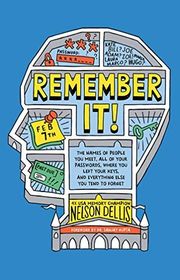
Remember It!: The Names of People You Meet, All of Your Passwords, Where You Left Your Keys, and Everything Else You Tend to Forget
For readers who want a memory athlete’s techniques applied to recognizable daily problems. Its task based examples make training feel concrete, though creating images and practicing recall remain necessary even when the explanations are straightforward.
What it's about
Nelson Dellis presents memory techniques through familiar challenges such as remembering names, numbers, lists, and where objects were left. He explains ways to build vivid associations and practice recall, translating competitive memorization methods into exercises for everyday use.

For readers who want to question vivid recollections rather than simply retain more information. Its emphasis on distortion adds a useful counterweight to memory training promises, though the criminal cases and unsettling implications can outweigh practical instruction.
What it's about
Psychologist Julia Shaw explores how memories can become distorted or entirely false. Drawing on experiments and criminal cases, she examines suggestion, mistaken identification and confessions, questioning the reliability of recollections that feel vivid and certain.

For readers curious about the experience behind exceptional recall. Its detailed case study shows that an unusual memory can involve difficulties as well as advantages, though one individual’s cognitive life cannot provide a general training recipe.
What it's about
Alexander Luria examines the life and mental processes of a man with an extraordinary memory. This case study connects his remarkable recall with synesthesia while exploring how his abilities shaped his personality, everyday experience, and difficulties.
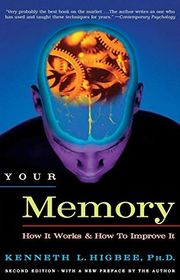
Your Memory: How It Works and How to Improve It
For readers who want practical memory techniques connected to an explanation of why they work. Its combination of psychological principles and exercises supports systematic practice, though the older examples and detailed presentation require a patient, active reader.
What it's about
Kenneth Higbee explains principles of remembering and introduces techniques for improving recall through association, organization, and imagery. Practical examples connect the psychology of memory with tasks involving names, numbers, study material, and other information readers want to retain.

For readers who want study habits explained through research rather than a collection of memory tricks. Its attention to timing and learning conditions provides practical questions to test, though the narrative is less systematic than a prescribed study program.
What it's about
Benedict Carey examines research on learning and memory and tests its implications for everyday practice. He explores how timing, sleep, forgetting, surroundings, and variation in study can affect the way people absorb and retain information.

For students, teachers, and independent learners who want a framework for durable learning. Its emphasis on retrieval and varied practice challenges comfortable study habits, though applying the principles requires redesigning routines rather than adopting one memorable trick.
What it's about
Peter Brown, Henry Roediger, and Mark McDaniel explore how learning and memory work through cognitive research and real-life stories. They challenge familiar study habits and present practical approaches for students, educators, and adults developing new skills.

For general readers who want an approachable explanation of remembering and forgetting before trying elaborate techniques. Its focus on ordinary lapses provides context for practical choices, though it is a popular overview rather than a detailed mnemonic training course.
What it's about
In this nonfiction book, Genova uses her background in neuroscience to explain how memory is formed, stored, and retrieved. She separates normal forgetting from warning signs of disease and offers practical ways to work with your brain instead of worrying every time you forget a name.

For readers who want to understand memory’s workings and failures before choosing techniques. Its combination of research and unusual cases gives conceptual depth, though the older scientific account and limited stepwise training make it a background text.
What it's about
Daniel Schacter explores scientific discoveries about memory through research and accounts of patients with unusual difficulties recalling their experiences. He examines amnesia, false and recovered memories, and how brain injury or psychological trauma can affect the past we remember.

For readers interested in one author’s broad program for cognitive performance and aging. Its activities place memory within a wider lifestyle framework, though claims about brain enhancement need separate evaluation and the program is less focused than mnemonic instruction.
What it's about
Majid Fotuhi presents a three-month program intended to strengthen memory, concentration, and other mental abilities. Combining discussion of brain research with practical activities, he explores his approach to improving brain performance and maintaining cognitive abilities with age.

For readers curious about how a nutrition researcher connects food with brain function. Its dietary explanations and recipes make that perspective concrete, though evidence for particular cognitive benefits needs careful appraisal and it is not a memory training manual.
What it's about
Neuroscientist Lisa Mosconi explores the relationship between nutrition and brain function. Combining scientific explanations with food recommendations, recipes and a dietary assessment, she presents her approach to eating in support of memory and cognitive health.

For readers interested in a broad lifestyle program framed around focus, memory, and mood. Its practical organization makes the author’s approach easy to inspect, though the short timetable and therapeutic claims require independent evaluation beyond the book’s presentation.
What it's about
Mike Dow outlines a three-week program intended to address problems with focus, memory and mood. His approach combines dietary changes, sleep, physical activity, thought patterns and mental exercises, with attention to purpose and spiritual connection.
Sources
- 1
Top 12 Memory Improvement Books
irisreading.com
- 2
24 Best Memory Improvement Books [For a Sharper Mind]
upjourney.com
- 3
Books on Memory Improvement and Memory Palaces | Art of Memory
artofmemory.com
- 4
Memory Improvement Resources for Learning And Remembering
magneticmemorymethod.com
- 5
100 Best Memory Improvement Books of All Time (Updated for 2026)
shortform.com
- 6
Memory Improvement Books
goodreads.com
- 7
The Best Books on Memory - Five Books Expert Recommendations
fivebooks.com





Edited by
Software engineer whose passion for tracking book recommendations from podcasts inspired the creation of MRB.
Lead investor at 3one4 Capital whose startup expertise and love for books helped shape MRB and its growth.
Comments
Spotted a missing book, a wrong order or a mistake? Tell us and we'll fix this page.
We're a reading guide, not the author or publisher, so we can't send books or pass on messages.