
19 Best Education Books
The best education books, ranked by how many expert sources recommend each one, with notes for teachers, parents, and readers exploring learning and schooling.
Our take
Education books ask different kinds of questions. Some explain how memory and motivation affect learning. Others help teachers plan courses, build relationships, or reflect on the demands of their work. A third group examines what schools are for, who benefits from their structures, and how unequal opportunity shapes a child’s experience. Choosing between them starts with deciding whether you want to change a lesson, understand an institution, or examine an educational ideal.
For classroom thinking, Why Don't Students Like School? offers an accessible starting point, while Make It Stick focuses on learning and study strategies. College instructors can move from Small Teaching to the broader course-design framework in Creating Significant Learning Experiences. The Courage to Teach turns toward the teacher’s identity and purpose. For larger questions, Democracy and Education, Pedagogy of the Oppressed, and Deschooling Society offer different accounts of education and social life. Their historical arguments should be read with that context in mind. Start with the book closest to the question you need to answer.
19 books · 10 sources · Last updated
As an Amazon Associate, we earn from qualifying purchases (at no extra cost to you).
How to choose from this list
Skip to the full rankingIf you want to understand classroom learning: Why Don't Students Like School? → Make It Stick
If you teach college and want manageable changes: Small Teaching → How Learning Works
If you want to plan a course or curriculum: Understanding by Design → Creating Significant Learning Experiences
If you want to reflect on the human side of teaching: The Courage to Teach → Relationship-Rich Education
If you want to examine education and social power: Democracy and Education → Pedagogy of the Oppressed → Deschooling Society
If you want to examine inequality and curriculum: Savage Inequalities → The Knowledge Gap
The 19 books, ranked
Ranked by how many expert sources name each book. Ties go to the book more people recommend.

For students and educators who want study strategies connected to memory research. Its explanations of retrieval and spaced practice travel beyond the classroom, but the examples do not amount to a complete curriculum or a guide to school reform.
What it's about
Peter Brown, Henry Roediger, and Mark McDaniel explore how learning and memory work through cognitive research and real-life stories. They challenge familiar study habits and present practical approaches for students, educators, and adults developing new skills.

Pedagogy of the Oppressed
For readers asking how education relates to power and liberation. Its critique of passive instruction gives a philosophical foundation for dialogue, but the dense political language and historical setting require more patience than a classroom practice guide.
What it's about
Freire examines education's role in maintaining or challenging oppression. Contrasting the banking model of instruction with dialogue and problem-posing learning, he proposes a relationship in which teachers and students investigate their world together through reflection and action.

Why Don't Students Like School?
A Cognitive Scientist Answers Questions About How the Mind Works and What It Means for the Classroom
For teachers who want an accessible explanation of memory, knowledge, and classroom thinking. Its cognitive perspective makes familiar learning problems easier to interpret, but broad principles still need translating into lessons for a particular age and subject.
What it's about
Daniel Willingham translates cognitive research into nine principles for classroom teaching. He explains the roles of memory, prior knowledge, stories, emotion, and practice in learning, offering applications intended to help teachers engage students and strengthen understanding.
Also recommended by
1 person Bill Gates recommended this book
Bill Gates
List of books Bill Gates read in 2012.
Bill Gates's recommendation of this book
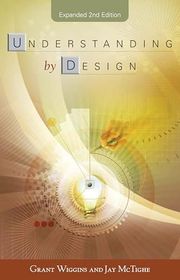
Understanding by Design
For educators who want lessons and assessments to follow clear learning goals. Its backward-design framework gives planning a consistent structure across subjects, but the terminology and templates require practice and do not replace deep knowledge of the content.
What it's about
Grant Wiggins and Jay McTighe present backward design, beginning curriculum planning with desired understanding and evidence of learning before choosing activities. Examples and templates show how essential questions, assessment, and instruction can form a coherent unit.
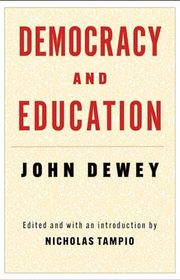
Democracy and Education
For readers who want a sustained account of education’s role in democratic life. It connects experience, social participation, and intellectual growth more broadly than a teaching manual, but the older language and extended philosophical argument make progress slow.
What it's about
Dewey explores how education connects individual growth with participation in society. He examines experience, work, knowledge, and the relationship between schools and democratic life, challenging divisions between practical activity and intellectual study within a broad philosophy of learning.
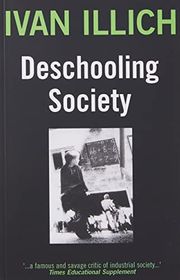
Deschooling Society
For readers ready to question whether schooling and education are the same thing. Its institutional critique opens questions that practical teaching books leave aside, but its radical proposals and historical assumptions are better approached as arguments to examine than instructions.
What it's about
Illich challenges the idea that formal schooling is the necessary center of education. He examines credentials, institutional dependence, and unequal access to learning, proposing networks through which people could share skills and knowledge beyond conventional classrooms and prescribed educational paths.
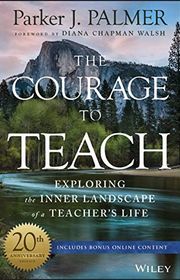
The Courage to Teach
For teachers who want to reflect on identity, purpose, and the emotional demands of their work. Its attention to the person teaching complements technique-focused guides, but the reflective and spiritual language may not suit readers seeking classroom procedures.
What it's about
Palmer explores the inner life of teachers and its connection to classroom relationships. Reflecting on fear, identity, community, and integrity, he asks how educators can sustain their work and bring more of themselves into genuine encounters with students and subjects.
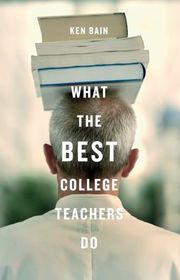
What the Best College Teachers Do
For instructors who want to rethink the assumptions behind effective college teaching. Its portraits connect demanding intellectual work with attention to students, but the selected examples offer patterns to consider rather than proof that particular methods work everywhere.
What it's about
Ken Bain examines how selected college teachers understand learning, prepare courses, engage students, and evaluate their work. Observations and interviews reveal recurring approaches to challenging questions, supportive learning environments, and expectations that shape students’ intellectual development.
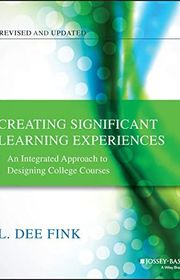
Creating Significant Learning Experiences
For college instructors planning a course from its goals through assessment and activities. The integrated framework supports a more coherent redesign than isolated teaching tips, but working through it takes time and may require changing established course structures.
What it's about
Fink presents an integrated approach to college course design using a taxonomy of significant learning. He connects goals, assessment, teaching activities, and situational factors, offering a planning process for instructors who want courses to produce more than retained information.
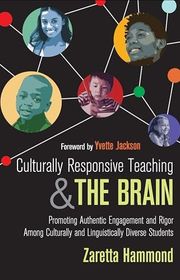
Culturally Responsive Teaching and the Brain
For teachers who want to connect cultural awareness with demanding, supportive instruction. Its frameworks make relationships and learning independence central to classroom decisions, but the neuroscience explanations are simplified and the practices require attention to individual students.
What it's about
Zaretta Hammond connects culturally responsive teaching with ideas about cognition, relationships, and learner independence. She discusses how teachers can examine cultural assumptions, strengthen learning partnerships, and support students in doing more demanding intellectual work within the classroom.

How Children Learn
For parents and educators interested in observing children’s curiosity and experimentation. Its close attention to ordinary learning challenges overly rigid instruction, but the observations and older educational context should be read alongside more recent research rather than replacing it.
What it's about
John Holt draws on observations of children to examine learning through play, language, reading, and other everyday activities. He argues for nurturing natural curiosity and confidence, exploring how adults can support children's developing abilities without overwhelming them.
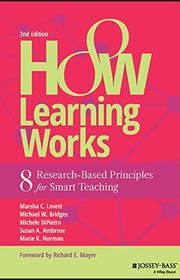
How Learning Works
For college teachers who want research principles organized around common learning difficulties. The updated edition adds an eighth principle and varied teaching scenarios, but its framework needs adapting to disciplinary content rather than applying every suggestion unchanged.
What it's about
The second edition organizes research on learning into eight principles for college teaching. Scenarios and suggested strategies examine prior knowledge, motivation, practice, learning environments, and students’ development, helping instructors connect explanations of learning with decisions about their own courses.
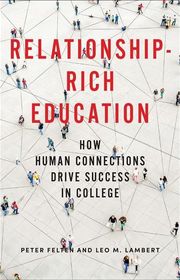
Relationship-Rich Education
For college educators and leaders who want relationships treated as part of educational design. The institutional examples show options beyond individual mentoring, but building durable connections requires time and organizational support rather than enthusiasm from one instructor alone.
What it's about
Felten and Lambert examine how relationships with peers, teachers, advisers, and staff shape college learning. Interviews and institutional examples explore ways to make meaningful connections more widely available, including for students who face barriers to belonging and participation.
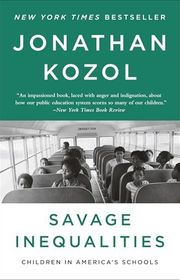
Savage Inequalities
For readers who want to understand school inequality through reported encounters with children and educators. The concrete settings make resource disparities visible, but the reporting belongs to an earlier period and needs current evidence for judgments about today’s districts.
What it's about
Kozol reports on American public schools he visited between 1988 and 1990, describing differences in resources, facilities, and opportunity. Conversations with students and educators connect classroom conditions with wider patterns of poverty, racial separation, and unequal public investment.
Small Teaching
For college instructors who want manageable changes to existing classes. The short interventions make learning research easier to try without redesigning a whole course, but they still need thoughtful selection and cannot resolve larger curriculum or institutional problems.
What it's about
James Lang connects research on learning with practical changes that instructors can make during ordinary classes. Activities involving retrieval, prediction, explanation, and connection help teachers reconsider how students encounter information and build understanding over time.
Teaching to Transgress
For educators examining how race, class, and gender shape classroom participation. Its personal essays connect teaching with freedom and dialogue, but readers looking for standardized lesson routines will find a reflective, argumentative approach rather than a procedural manual.
What it's about
hooks draws on her experiences as a student and teacher to examine education as a practice of freedom. Essays address authority, dialogue, race, gender, and class, considering how classrooms can challenge exclusion and support more engaged ways of learning.
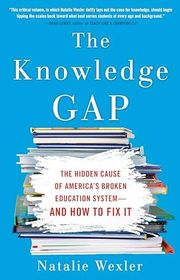
The Knowledge Gap
For educators and parents questioning how reading comprehension is taught. Its argument for building subject knowledge connects literacy with curriculum content, but the US-focused reporting advances a particular reform case rather than surveying every explanation for unequal achievement.
What it's about
Wexler investigates American elementary education and argues that an emphasis on isolated reading skills can neglect the knowledge comprehension requires. Classroom reporting and research support her case for richer curriculum content, especially for children with fewer opportunities outside school.

Visible Learning and the Science of How We Learn
For educators who want a substantial bridge between classroom learning and psychology. The range extends beyond memory to social and emotional factors, but the material is denser than a practical handbook and should not be treated as a universal teaching formula.
What it's about
John Hattie and Gregory Yates connect classroom learning with findings from cognitive and social psychology. They explore memory, cognitive load, teacher-student relationships, confidence, and self-control, offering explanations and study questions for educators seeking to understand how people learn.

Learner-Centered Leadership
A Blueprint for Transformational Change in Learning Communities
For school leaders who want to organize change around student agency and individual needs. Its district-level perspective adds a leadership angle to the classroom books here, but implementing the vision depends on local structures, staff capacity, and sustained cooperation.
What it's about
Devin Vodicka describes how school leaders can organize education around individual learners’ strengths, interests, and needs. Drawing on learning theory, organizational change, and his experience leading a district, he explores giving students greater agency in their education.
Sources
- 1
10 Books To Make You A More Effective Teacher
ctl.wustl.edu
- 2
Recommended Books
drakeinstitute.osu.edu
- 3
Education Books
goodreads.com
- 4
Ten books every teacher should read
theguardian.com
- 5
100 Best Education Books of All Time
shortform.com
- 6
The must-read classic books in education
authenticeducation.org
- 7
Favorite Books about Education
reddit.com
- 8
16 Books About Learning Every Teacher Should Read
teachthought.com
- 9
Best books on pedagogy/learning/education/etc.?
reddit.com
- 10
Resources and Books for Teachers
penguinrandomhouse.com





Edited by
Software engineer whose passion for tracking book recommendations from podcasts inspired the creation of MRB.
Lead investor at 3one4 Capital whose startup expertise and love for books helped shape MRB and its growth.
Comments
Spotted a missing book, a wrong order or a mistake? Tell us and we'll fix this page.
We're a reading guide, not the author or publisher, so we can't send books or pass on messages.