
10 Best Sleep Training Books
The best sleep training books, ranked by how many expert sources recommend each one, with notes on who each suits, from routine-focused to gradual approaches.
Our take
Sleep books differ in what they are trying to help parents understand. Some explain infant fussiness and soothing, some organize daily routines, and others present approaches to bedtime resistance or night waking. A book’s suitability depends on a child’s age and circumstances as well as how a family feels about structure, gradual change, and crying.
The Happiest Baby on the Block focuses on calming infants rather than a complete training program. Healthy Sleep Habits, Happy Child and Solve Your Child’s Sleep Problems provide broader reference material. Precious Little Sleep offers several options in a conversational style, while The No-Cry Sleep Solution emphasizes gradual changes. The Sleepeasy Solution takes a more structured route, and Sleeping Through the Night centers routines and common difficulties. Start by choosing the kind of explanation or approach you want to compare, then check the edition and discuss age, feeding, or health questions with your child’s clinician. Titles promising sleep by a particular deadline should not be read as guarantees.
10 books · 8 sources · Last updated
As an Amazon Associate, we earn from qualifying purchases (at no extra cost to you).
How to choose from this list
Skip to the full rankingIf you want a broad childhood sleep reference: Healthy Sleep Habits, Happy Child → Solve Your Child's Sleep Problems
If you're comparing several approaches: Precious Little Sleep
If you prefer gradual changes: The No-Cry Sleep Solution
If you want to examine a structured plan: The Sleepeasy Solution
If you want bedtime routines explained: Sleeping Through the Night
If you want to understand infant soothing: The Happiest Baby on the Block
The 10 books, ranked
Ranked by how many expert sources name each book. Ties go to the book more people recommend.

Healthy Sleep Habits, Happy Child
A New Step-by-Step Guide for a Good Night's Sleep
For parents who want substantial background on children’s sleep alongside practical approaches. Weissbluth gives patterns and developmental changes more space than a brief plan, but the length and multiple options can be demanding when you are exhausted.
What it's about
Marc Weissbluth explains children's sleep patterns and presents his approach to developing sleep habits from infancy onward. Discussion connects naps, bedtime, soothing, and developmental changes, with step-by-step guidance intended to help parents understand and respond to common sleep difficulties.
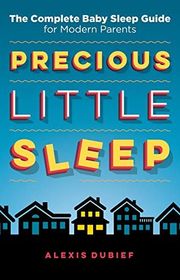
Precious Little Sleep: The Complete Baby Sleep Guide for Modern Parents
For parents who want a conversational overview and several options rather than one prescribed method. Dubief’s humor can make a demanding topic more approachable, but the many choices and informal tone may frustrate readers seeking a concise reference.
What it's about
Alexis Dubief discusses infant and toddler sleep through explanations, examples, and different approaches to settling and night waking. The guide considers sleep associations, naps, changing routines, and recurring difficulties, helping parents compare strategies rather than follow one fixed program.

For parents comparing strongly parent-directed approaches to daily feeding, wakefulness, and sleep routines. The clear organizing framework may appeal to planners, but its rigidity and feeding-related assumptions need individual discussion with a pediatric clinician.
What it's about
Gary Ezzo and Robert Bucknam present an infant care framework organized around feeding, wakefulness, and sleep. They explain their parent-directed approach to daily routines, connecting family organization with their goal of helping babies develop more predictable nighttime sleep patterns.

For parents who want observation, temperament, and daily routines discussed together. Hogg’s attention to signals gives the book a broader caregiving focus than a sleep-only manual, but the named routines can feel prescriptive and reflect older advice.
What it's about
Tracy Hogg and Melinda Blau present an approach to understanding babies’ temperaments and signals. The guide explains Hogg’s proposed routines for feeding, activity, and sleep, alongside methods for observing behavior and developing communication between parents and infants.

Sleeping Through the Night
How Infants, Toddlers, and Parents can get a Good Night's Sleep
For parents who want an accessible explanation of bedtime routines and common sleep difficulties. Mindell connects practical questions with case examples, but its general approach cannot account for every child’s developmental, feeding, or medical circumstances.
What it's about
Jodi A. Mindell explains childhood sleep and presents an approach centered on bedtime routines. Case studies, practical techniques, and answers to common questions address settling difficulties and night waking, alongside discussion of the pressures sleep problems place on the family.

Solve Your Child's Sleep Problems
For parents who want a broad reference on childhood sleep problems rather than one brief training plan. Ferber covers a wider range of issues and ages, but the detailed explanations and association with crying-based methods can deter some readers.
What it's about
Richard Ferber explains sleep development and problems from infancy through adolescence. His guide examines bedtime resistance, night waking, naps, unusual schedules, sleep terrors, and other conditions, presenting different approaches that parents can consider in relation to their child's difficulties.

The No-Cry Sleep Solution
For parents who prefer a gradual approach and want alternatives to leaving a child to cry. Logs and incremental changes make observation central, but the process can be time-consuming and the title cannot promise tear-free or rapid results.
What it's about
Pantley's baby-sleep guide offers gentle alternatives to letting a child cry alone. It helps parents understand sleep patterns, create realistic routines, and make gradual changes for calmer nights and better rest.

For parents who want to understand a short, highly structured approach to infant routines. Its concise steps are easy to review, but the fixed age-based goal is not a guaranteed outcome and needs weighing against individual feeding and developmental needs.
What it's about
Suzy Giordano and Lisa Abidin present a structured infant sleep program called the Limited-Crying Solution. Their step-by-step guide explains the approach behind its goal of longer nighttime sleep by twelve weeks, offering parents a framework for considering daily routines.

The Happiest Baby on the Block
For parents seeking explanations of infant fussiness and a repertoire of soothing ideas. Karp focuses more on calming than a formal sleep-training program, but the techniques require age-appropriate use and do not address every cause of unsettled sleep.
What it's about
Harvey Karp explains his approach to calming crying infants and helping them sleep. The book introduces the idea of a fourth trimester and describes how parents can combine soothing techniques to recreate aspects of the womb.
Also recommended by
1 person Ashton Kutcher recommended this book
Ashton Kutcher
"If you want to be a hands-on parent and also have some version of a career, this book is gold." - Ashton Kutcher
Ashton Kutcher's recommendation of this book

The Sleepeasy Solution
The Exhausted Parent's Guide to Getting Your Child to Sleep from Birth to Age 5
For parents who prefer a structured plan that also acknowledges the emotions involved. Its practical organization makes it easier to compare steps and disruptions, but its approach to crying will not match every family’s preferences or circumstances.
What it's about
Jennifer Waldburger and Jill Spivack present a structured approach to children's sleep that addresses the emotional needs of parents and children. Their guide covers sleep plans, developmental stages, crying, and disruptions such as travel or changing beds.
Also recommended by
1 person- Ashton Kutcher recommended this book
Ashton Kutcher
"I usually send [The Happiest Baby on the Block] with a copy of [this book]." - Ashton Kutcher
Ashton Kutcher's recommendation of this book
Sources
- 1
Best Baby Sleep Books: Sleep Training, Naps & Routines
babylist.com
- 2
Recommended Books and Resources
hudsonheightspediatrics.com
- 3
Recommended Books
stamfordpediatrics.com
- 4
Sleep resources
northseattlepediatrics.com
- 5
Sleep Training Books
goodreads.com
- 6
Resources on baby sleep
reddit.com
- 7
What sleep training book gave you the most success?
reddit.com
- 8
The 3 Best Sleep Training Books for Babies
happilyeverathome.com


Edited by
Software engineer whose passion for tracking book recommendations from podcasts inspired the creation of MRB.
Lead investor at 3one4 Capital whose startup expertise and love for books helped shape MRB and its growth.
Comments
Spotted a missing book, a wrong order or a mistake? Tell us and we'll fix this page.
We're a reading guide, not the author or publisher, so we can't send books or pass on messages.