
21 Best Dog Training Books
The best dog training books, ranked by how many expert sources recommend each one, with notes on who each suits, from new puppy owners to experienced handlers.
Our take
Dog training books can help with much more than sit and stay. Some explain how rewards and timing shape learning. Others focus on puppy routines, human body language, or dogs who struggle with excitement and fear. Choosing a book starts with deciding whether you need a practical sequence of exercises or a better explanation of the behavior you are seeing.
For a young puppy, The Puppy Primer and Perfect Puppy in 7 Days offer focused starting points. Training the Best Dog Ever provides a longer practice structure, while Don’t Shoot the Dog! explains the principles behind reinforcement. The Other End of the Leash turns attention toward the human side of communication. These books also differ in philosophy: traditional pack-based accounts sit alongside approaches built around rewards and learning theory. Read the individual notes before choosing, especially if a method feels uncomfortable to apply. Start with a reward-based foundation manual for everyday skills, then choose a more specialised book for the problem you need to understand.
21 books · 9 sources · Last updated
As an Amazon Associate, we earn from qualifying purchases (at no extra cost to you).
How to choose from this list
Skip to the full rankingIf you're bringing home a puppy: The Puppy Primer → Perfect Puppy in 7 Days
If you want a structured practice plan: Training the Best Dog Ever → The Power of Positive Dog Training
If you want to understand learning: Don't Shoot the Dog! → Excel-erated Learning
If you want calmer focus: Fired Up, Frantic, and Freaked Out → Control Unleashed
If you want better everyday communication: The Other End of the Leash → On Talking Terms with Dogs
The 21 books, ranked
Ranked by how many expert sources name each book. Ties go to the book more people recommend.

For readers who want to understand timing, rewards, and shaping before following exercises. Its examples make reinforcement principles transferable beyond dogs, though it is not a complete guide to raising or caring for one.
What it's about
Karen Pryor introduces behavioral training methods built around reinforcement and the gradual shaping of desired actions. Examples involving pets, children and adults show how the same learning principles can be applied to different kinds of everyday problems.
Also recommended by
2 people Tristan Harris recommended this book
Tristan Harris
"Amazing book." - Tristan Harris
Tristan Harris's recommendation of this book  Tim Ferriss recommended this book
Tim Ferriss
"There are principles in this that you can take away, even if you have no interest in training a dog, having a dog, or dogs in general." - Tim Ferriss
Tim Ferriss's recommendation of this book

For owners who want to understand how their own movements and habits affect communication. Its stories make behavioral differences memorable, though it is more reflective than a day-by-day training plan.
What it's about
Patricia McConnell examines the relationship between dogs and their human companions from both species' perspectives. She explains how human habits and signals can confuse dogs and explores ways to communicate more clearly during everyday interactions.

Culture Clash
A Revolutionary New Way of Understanding the Relationship Between Humans and Domestic Dogs
For owners ready to question human assumptions about what dogs understand. Its direct discussion of motivation and learning offers a useful conceptual reset, though the argumentative tone is sharper than a gentle beginner manual.
What it's about
Jean Donaldson explores the mismatch between human expectations and the way domestic dogs learn and behave. She uses that difference to explain common training difficulties and outline methods for understanding dogs and changing unwanted behavior.
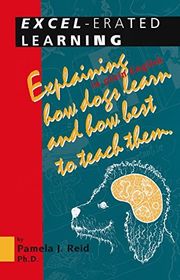
Excel-erated Learning
For trainers and committed owners who want to understand how learning works. Its explanation of conditioning helps you reason through training choices, though it is more technical and less immediately instructional than a basic manners guide.
What it's about
Pamela Reid explains the learning processes behind animal training, including classical and operant conditioning. Dog-focused examples connect behavioral principles to teaching decisions, helping readers understand why training succeeds, stalls, or produces an unintended response.
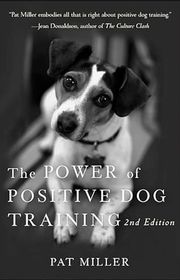
The Power of Positive Dog Training
For owners who want the reasoning behind reward-based training alongside a structured practice plan. Its combination of explanation and exercises makes a useful bridge from theory, though the approach requires patient repetition rather than quick fixes.
What it's about
Pat Miller explains positive reinforcement and turns its principles into a six-week basic training program. Exercises and practical examples help owners build everyday skills while considering how rewards, communication, and the relationship influence their dog’s learning.

For owners who want enjoyable practice beyond everyday manners. The photographs and difficulty ratings make individual tricks easy to choose, though this activity collection is less useful for understanding fear, aggression, or other complex behavior.
What it's about
Kyra Sundance presents 101 activities ranging from basic commands to more elaborate dog tricks. Photographed steps, difficulty ratings, prerequisite skills, and troubleshooting advice show owners how to practice each activity while keeping their dogs engaged.

How to Behave So Your Dog Behaves
For owners who want to connect learning theory with changes in their own behavior. The exercises make its explanations more practical than a purely conceptual book, though it asks for more study than a quick command reference.
What it's about
Sophia Yin explains how owners' behavior influences their dogs and how learning theory can guide everyday training. Illustrated exercises and quizzes develop practical skills, using positive reinforcement to address unwanted habits and teach more useful responses.

For owners who prefer a defined sequence of basic commands and troubleshooting. The practical lesson structure is easier to follow than a behavior essay, though the seven-day framing should not be read as a guaranteed result.
What it's about
Brandon McMillan builds a dog-training program around trust, attention, and seven basic commands. Step-by-step lessons address problems including barking, chewing, and house training, alongside stories from his experience working with dogs on Lucky Dog.

Zak George's Dog Training Revolution
The Complete Guide to Raising the Perfect Pet with Love
For first-time owners who want one approachable guide spanning care, training, and common problems. Its friendly breadth helps with orientation, though readers seeking a detailed explanation of learning theory will want a more focused companion.
What it's about
Zak George and Dina Roth Port explain how to raise and train a dog using affection and positive reinforcement. Covering selection, housetraining, behavior problems, health, and tricks, they emphasize adapting instruction to each dog's personality.

Canine Enrichment for the Real World
For owners who want to improve daily life as well as teach cues. Its attention to individual needs makes enrichment more thoughtful than buying more toys, though it is broader than a step-by-step obedience course.
What it's about
Allie Bender and Emily Strong examine how meeting a dog’s physical, sensory, social, and cognitive needs can support wellbeing. They explain how to assess an individual dog and make enrichment a practical part of everyday life.
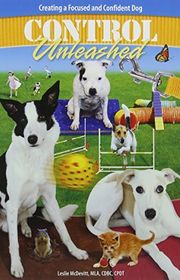
Control Unleashed
For handlers whose dog struggles to focus around distractions or stressful situations. Its games develop attention and confidence together, though readers without training experience may find the exercises easier with a class or instructor.
What it's about
Leslie McDevitt presents exercises designed to help dogs relax and focus in distracting or stressful environments. Developed around canine-sport challenges, the program uses structured games to build confidence, attention, and a more cooperative relationship with the handler.

Fired Up, Frantic, and Freaked Out
Training Crazy Dogs from Over the Top to Under Control
For owners whose dog becomes too excited or worried to learn comfortably. Its short exercises and focus on calmer responses give it a clearer niche than general manuals, though it is not a complete puppy curriculum.
What it's about
Laura VanArendonk Baugh offers training exercises for dogs overwhelmed by fear, excitement, or frustration. Short sessions help owners build calmer responses and attention, while the guide also considers when behavioral difficulties call for veterinary help.
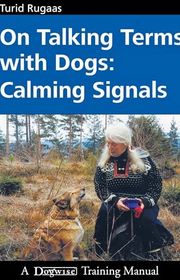
On Talking Terms with Dogs
For owners who want a short introduction to noticing subtle body language. Its illustrated observations encourage closer attention to everyday interactions, though it is a narrow guide and individual signals need interpreting in context.
What it's about
Turid Rugaas describes the gestures and movements she calls calming signals, using examples and photographs of dogs communicating. The short guide helps readers notice signs of tension and consider how their own responses affect an interaction.

For owners who want a manageable reward-based routine for everyday manners. The weekly structure provides more direction than a general behavior book, though progress still depends on consistency and the individual dog.
What it's about
Larry Kay and Dawn Sylvia-Stasiewicz offer a five-week dog-training program built on rewards and trust. Brief daily exercises cover basic cues, house and crate training, and behavior problems, with additional lessons on social comfort and safety.

Cesar's Way
The Natural, Everyday Guide to Understanding & Correcting Common Dog Problems
For readers interested in Millan’s approach and the ideas behind his television work. Its emphasis on routine and exercise is accessible, but its pack-based explanations differ substantially from the reward-based learning approach in other books here.
What it's about
Cesar Millan explains his approach to everyday dog behavior through canine instincts, pack relationships, and owners' responses. Drawing on his work with troubled dogs and his own life, he discusses discipline, communication, and common behavior problems.

Decoding Your Dog
Explaining Common Dog Behaviors and How to Prevent or Change Unwanted Ones
For owners who want veterinary perspectives on why unwanted behavior happens. It offers broader context than a command-by-command manual, though its coverage of many problems cannot provide an individual assessment of a particular dog.
What it's about
Veterinary behavior specialists explain how dogs think, learn, and communicate, then examine unwanted behaviors and their possible causes. The guide covers socialization, training, and problems such as aggression, with an emphasis on positive methods and prevention.

For readers who want a broad ownership manual alongside traditional obedience instruction. Its coverage extends to care and daily routines, though the training philosophy differs from the positive-reinforcement books and deserves comparison before you choose a method.
What it's about
The Monks of New Skete combine dog training with guidance on choosing and caring for a canine companion. Their manual addresses everyday commands, feeding, grooming, exercise, and behavior problems across different homes and stages of ownership.

For readers exploring a traditional obedience trainer’s perspective on confident handling. Its direct voice makes the approach easy to grasp, though it offers less contemporary learning-science context than the reinforcement-focused books here.
What it's about
Barbara Woodhouse argues that troublesome dogs often reflect gaps in their owners' training knowledge. She explains her approach to basic obedience and handling nervous or unruly animals, emphasizing confident instruction and the owner's attitude toward the dog.

For new puppy owners who want visual guidance they can put into practice immediately. Its photographs and early-life focus make it approachable, though the short starting plan needs continued practice well beyond the title’s week.
What it's about
Sophia Yin uses photographs and a structured starting plan to guide new puppy owners through socialization, house training, and basic life skills. Lessons on body language and communication explain how to encourage appropriate behavior from the outset.

Puppy Training for Kids
Teaching Children the Responsibilities and Joys of Puppy Care, Training, and Companionship
For families who want children to take an active, supervised role in puppy care. Its accessible explanations connect responsibility with training, though adults will still need to manage safety and the harder behavior questions.
What it's about
Colleen Pelar introduces children to the responsibilities of bringing home and raising a puppy. Illustrated guidance covers supplies, daily care, house training, socialization, body language, and clicker training, with additional advice for parents supervising the relationship.

The Puppy Primer
For puppy owners who want a compact sequence of reward-based foundation exercises. Its focused lessons are easier to work through than an extensive ownership manual, though specialist behavior problems fall outside its main purpose.
What it's about
Patricia McConnell and Brenda Scidmore outline a six-week foundation for raising a young puppy. Positive reinforcement exercises cover basic cues, house and crate training, and the transition toward adolescence, with guidance for making practice enjoyable.
Sources
- 1
19 Top Dog Training Books for Every Kind of Dog
rover.com
- 2
7 Best Books on Dog Training & Behavior
rover.com
- 3
Best Dog Psychology and Training Books
goodreads.com
- 4
Dog psychology/training books?
reddit.com
- 5
RECOMMENDED READING
academyfordogtrainers.com
- 6
The 8 Best Dog Training Books Available In Australia - gentledogtrainers.com.au
gentledogtrainers.com.au
- 7
Dog Book Recommendations?
reddit.com
- 8
10 Top Rated, Classic Dog Training Books - DogTime
dogtime.com
- 9
10 Best Dog Training Books in 2026 - Reviews & Top Picks
articles.hepper.com










Edited by
Software engineer whose passion for tracking book recommendations from podcasts inspired the creation of MRB.
Lead investor at 3one4 Capital whose startup expertise and love for books helped shape MRB and its growth.
Comments
Did we miss something? Have feedback?
Help us improve this page by sharing your thoughts