
15 Best Potty Training Books
The best potty training books, ranked by how many expert sources recommend each one, with notes on who each suits, from curious toddlers to their caregivers.
Our take
Potty-training books fall into two groups: stories to share with children and guides for the adults supporting them. A picture book can make a new routine familiar, give a child words for questions, or make bathroom talk less embarrassing. An adult guide serves a different purpose by explaining an approach and helping caregivers think about preparation, setbacks, and daily routines.
For a short, playful introduction, Potty keeps the focus on a toddler’s experience. Everyone Poops addresses the bodily function more broadly, while A Potty for Me! adds flaps and repeated attempts. Familiar characters in Daniel Goes to the Potty and Potty Time with Elmo may appeal to children who already enjoy their stories. Caregivers can compare Oh Crap! Potty Training with the more individualized framing of Stress-Free Potty Training. Start by choosing which reader needs support, then match the book’s tone and level of detail to that reader.
15 books · 7 sources · Last updated
As an Amazon Associate, we earn from qualifying purchases (at no extra cost to you).
How to choose from this list
Skip to the full rankingIf your toddler prefers a short introduction: Potty → A Potty for Me!
If you want to make poop less embarrassing: Everyone Poops
If familiar characters help your child engage: Daniel Goes to the Potty → Potty Time with Elmo
If you want to compare adult approaches: Stress-Free Potty Training → Oh Crap! Potty Training
If you want to examine an intensive format: Potty Training in 3 Days
The 15 books, ranked
Ranked by how many expert sources name each book. Ties go to the book more people recommend.

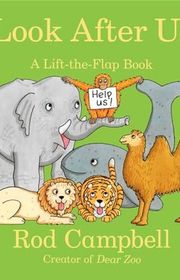
A Potty for Me!
For toddlers who like participating in a book rather than only listening. The flaps and child’s perspective make repeated attempts approachable, though the interactive format offers a story to share rather than an adult training method.
What it's about
A child receives a new potty but would rather keep playing. Told from the child's perspective, this lift-the-flap book follows repeated attempts, everyday interruptions, and a mother's reassuring response as learning a new routine takes time.

Everyone Poops
For children who feel embarrassed or puzzled by poop. Gomi treats it as an ordinary part of life through simple visual comparisons, though this reassuring picture book does not provide a complete toilet-training sequence.
What it's about
Taro Gomi uses simple text and colorful pictures to show how people and animals all poop. Contrasts between creatures and their bathroom habits make this ordinary bodily function approachable for young children learning about toileting.

Oh Crap! Potty Training
Everything Modern Parents Need to Know to Do It Once and Do It Right
For caregivers who prefer a detailed framework with troubleshooting rather than a collection of brief tips. Glowacki provides a clear organizing approach, though the direct tone and structured expectations will not suit every child or household.
What it's about
Jamie Glowacki outlines a six-stage approach to helping toddlers move from diapers to the toilet. The guide addresses readiness, accidents, resistance, daycare cooperation, regressions, and nighttime training, with troubleshooting advice for parents working through the process.

Big Girl Panties
For toddlers who are excited by the idea of choosing underwear. The short rhyme makes that transition easy to revisit, though its explicitly girl-focused framing and celebratory approach offer little explanation of the toilet routine.
What it's about
A cheerful rhyming board book celebrates the move from diapers to underwear. Colorful illustrations and an upbeat tone encourage young girls to see wearing big girl panties as an exciting part of growing up.

Potty Time with Elmo
For children who enjoy Elmo and joining in through sound buttons. The interactive format can encourage repeated reading, though its appeal depends on the character and the sounds may compete with attention to the routine.
What it's about
Elmo helps his doll, Baby David, learn to use the potty in this interactive sound book. Buttons add encouraging words and bathroom sounds, inviting young children to participate as the story introduces toilet routines.

Daniel Goes to the Potty
For Daniel Tiger fans who benefit from a familiar character and sound. The outing makes using a bathroom away from home approachable, though the sound button may distract some children from the story itself.
What it's about
While visiting a music shop with his dad, Daniel Tiger needs to use the potty. He discovers that bathrooms are available away from home, and a flushing sound button helps young readers join in with the story.

Once Upon a Potty -- Boy
For families who want a direct illustrated explanation with a boy character. Frankel makes the physical process visible and easy to discuss, though the anatomical detail and gender-specific presentation may not match every family’s preference.
What it's about
This illustrated potty-training story introduces young boys to the transition from diapers to using a potty. Simple language, bright pictures, and an anatomically accurate child character explain the process in terms a toddler can understand.

Once Upon a Potty -- Girl
For families who want a direct illustrated explanation with a girl character. Frankel gives children concrete pictures to ask questions about, though the anatomical detail and gender-specific presentation offer a different tone from playful character stories.
What it's about
This illustrated potty-training story introduces young girls to the transition from diapers to using a potty. Simple language, bright pictures, and an anatomically accurate child character explain the process in terms a toddler can understand.

For toddlers who respond to very short text, expressive pictures, and repetition. Patricelli keeps the child’s point of view central, though the simple board-book format gives caregivers little detailed guidance for planning or troubleshooting.
What it's about
Baby has reached a big toddler question: diaper, or potty? With funny inner debate and a lot of enthusiasm, this classic turns toilet training into a lively, reassuring milestone.

For caregivers who want a concentrated plan and can arrange sustained attention for its opening days. Brucks makes preparation and follow-through explicit, though the three-day format is not a reliable timetable for every child.
What it's about
Brandi Brucks presents a focused three-day plan for introducing toilet training. The guide covers readiness, preparation, communication, accidents, rewards, and follow-through, with ways to adjust the approach to a child’s personality and respond to setbacks.

Sam's Potty
For toddlers who prefer a brief story with a touch of resistance and humor. Sam’s relationship with his potty gives reluctance a recognizable form, though the minimal narrative offers less explanation of the full bathroom routine.
What it's about
Sam dislikes his potty until Doggie becomes part of the experience. In this simple illustrated toddler story, showing that the potty is meant for him helps Sam become more comfortable with using it.

Stress-Free Potty Training
A Commonsense Guide to Finding the Right Approach for Your Child
For caregivers who want to consider a child’s temperament when choosing an approach. Sara Au and Peter Stavinoha emphasize fit and readiness, though comparing possibilities requires more parental judgment than following one fixed schedule.
What it's about
Sara Au and Peter Stavinoha offer toilet-training approaches shaped around a child’s temperament and readiness. The guide explains how to introduce changes gradually, respond to fears or resistance, and handle accidents and temporary setbacks without excessive pressure.

The Potty Book for Boys
For children who enjoy following a named character through a familiar learning process. Henry’s story provides a gentle narrative to revisit, though the boy-specific version and rhyme offer less direct explanation than an illustrated process guide.
What it's about
Henry wants to see what is inside the large package his parents bring home. Discovering a potty introduces a new challenge: learning to use it and moving beyond diapers in this story about growing independence.

The Potty Book for Girls
For children who enjoy a reassuring story about learning a new routine. Hannah’s experience makes room for mistakes and growing independence, though the girl-specific version offers less flexibility than a book without gendered framing.
What it's about
Hannah and her teddy bear discover what it means to stop wearing diapers and begin using a potty. This rhyming story follows the new routine with encouragement, treating mistakes as part of learning an unfamiliar skill.

For children who already enjoy superheroes and big-kid play. The theme gives a familiar imaginative frame to trying the potty, though the boy-focused celebration provides less practical explanation than a more detailed routine book.
What it's about
A little superhero discovers that using the potty is part of getting ready for big boy pants. Playful illustrations and an encouraging story introduce toddlers to toilet training as another step toward growing up.
Sources
- 1
Potty Training Books
goodreads.com
- 2
16 Best Potty Training Books, According to Experts
goodhousekeeping.com
- 3
Kid’s books to help with potty training
reddit.com
- 4
Best Potty Training Books for Toddlers
babylist.com
- 5
Best books / resources for potty training?
reddit.com
- 6
Best Potty Training Books
thebump.com
- 7
Top 10 potty training books
theguardian.com








Edited by
Software engineer whose passion for tracking book recommendations from podcasts inspired the creation of MRB.
Lead investor at 3one4 Capital whose startup expertise and love for books helped shape MRB and its growth.
Comments
Spotted a missing book, a wrong order or a mistake? Tell us and we'll fix this page.
We're a reading guide, not the author or publisher, so we can't send books or pass on messages.