
25 Best Parenting Books
The best parenting books, ranked by how many expert sources recommend each one, with notes for choosing baby-care references, communication tools, and family perspectives.
Our take
Parenting books answer different questions at different stages. A new-baby reference helps you find information about everyday care, while a communication guide offers ways to handle recurring conflicts. Other books focus on parents' reactions, children's independence, or the wider social pressures surrounding family life. Choosing a book that matches your child's age and your immediate concern makes the reading easier to use.
How to Talk So Kids Will Listen & Listen So Kids Will Talk offers practical communication tools, while No-Drama Discipline concentrates on responding to difficult behavior. Cribsheet suits readers who like comparing research and family preferences. What to Expect the First Year provides a broad baby-care reference. For parents' own experiences, All Joy and No Fun offers reporting and reflection, while The Book You Wish Your Parents Had Read examines relationships across generations. Start with the communication guide for everyday friction, the baby reference for early care questions, or a reflective book if your own reactions are the main concern.
25 books · 8 sources · Last updated
As an Amazon Associate, we earn from qualifying purchases (at no extra cost to you).
How to choose from this list
Skip to the full rankingIf you're caring for a new baby: What to Expect the First Year
If you want everyday communication tools: How to Talk So Kids Will Listen & Listen So Kids Will Talk
If you have a toddler or preschooler: How to Talk So Little Kids Will Listen
If you want to rethink discipline: No-Drama Discipline → The Explosive Child
If you prefer comparing evidence and choices: Cribsheet
If you want to reflect on your own parenting: The Book You Wish Your Parents Had Read → All Joy and No Fun
The 25 books, ranked
Ranked by how many expert sources name each book. Ties go to the book more people recommend.

No-Drama Discipline
The Whole-Brain Way to Calm the Chaos and Nurture Your Child's Developing Mind
For parents who want discipline to include understanding and teaching. The examples connect emotional connection with setting limits, though the explanations overlap with The Whole-Brain Child and the techniques can be harder to recall during a heated moment.
What it's about
Daniel Siegel and Tina Payne Bryson connect children's emotional development with parents' responses to misbehavior. Their guide uses stories, illustrations, and practical strategies to explain discipline through connection and instruction, offering ways to address conflict and redirect difficult behavior.

The Whole-Brain Child
12 Revolutionary Strategies to Nurture Your Child's Developing Mind
For parents who want a memorable framework for understanding strong emotions. Illustrations and short strategies make the ideas easy to revisit, though the simplified brain-development language offers an introduction rather than a detailed scientific account.
What it's about
Daniel Siegel and Tina Payne Bryson present twelve parenting strategies based on their account of children's brain development. Through explanations, stories, and illustrations, they explore ways to respond to emotions, everyday conflicts, and opportunities for learning.
Also recommended by
1 person Graham Duncan recommended this book
Graham Duncan
Graham Duncan mentioned this book on "The Tim Ferriss Show" podcast.
Graham Duncan's recommendation of this book

For parents who want practical alternatives to nagging and arguing. Faber and Mazlish make communication techniques concrete through examples and exercises, though the suggested language takes practice and may need adapting to your own family.
What it's about
Adele Faber and Elaine Mazlish offer approaches to communicating with children through everyday challenges. Examples and exercises address listening, feelings, cooperation, and conflict, showing how parents can express concerns while respecting a child's perspective and developing understanding.
Also recommended by
1 person Brian Armstrong recommended this book
Brian Armstrong
"Really about how to communicate with all people. I found this book quite helpful and it changed how I communicate." - Brian Armstrong
Brian Armstrong's recommendation of this book

Cribsheet
A Data-Driven Guide to Better, More Relaxed Parenting, from Birth to Preschool
For parents who prefer weighing research and family preferences before choosing an approach. Oster makes competing options easier to compare, though her economic decision framework can feel less helpful when the main difficulty is emotional or practical.
What it's about
Emily Oster examines research on parenting from birth through preschool, including feeding, sleep, childcare, and early development. Her economic approach weighs evidence alongside family preferences, presenting a framework for decisions that often provoke conflicting advice.
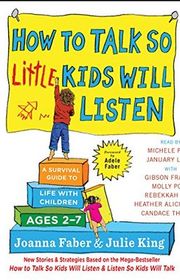
How to Talk So Little Kids Will Listen: A Survival Guide to Life with Children Ages 2-7
For caregivers of young children who want specific language and activities for everyday conflicts. Faber and King translate a communication approach into concrete situations, though the many tools work best through practice rather than one quick reading.
What it's about
Joanna Faber and Julie King adapt communication tools for everyday life with children aged two to seven. Examples and exercises address feelings, cooperation, conflict, and common frustrations, showing caregivers different ways to respond while maintaining limits and acknowledging children's perspectives.
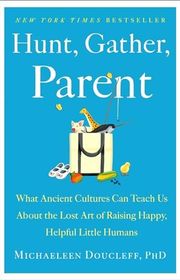
Hunt, Gather, Parent
For parents who want familiar assumptions challenged through cultural comparison. Doucleff's reporting makes alternative approaches to cooperation vivid, though observations from particular communities need context and cannot simply be transferred into every household.
What it's about
Michaeleen Doucleff reports on parenting practices in Maya, Inuit, and Hadzabe communities while reflecting on her relationship with her daughter. She explores how children participate in everyday family work and how adults encourage cooperation, independence, and emotional steadiness.

The Happiest Baby on the Block
For new parents who want a focused approach to understanding and soothing infant crying. Karp organizes the techniques into a memorable system, though the narrow emphasis on early infancy leaves many broader parenting questions outside its scope.
What it's about
Harvey Karp explains his approach to calming crying infants and helping them sleep. The book introduces the idea of a fourth trimester and describes how parents can combine soothing techniques to recreate aspects of the womb.
Also recommended by
1 person Ashton Kutcher recommended this book
Ashton Kutcher
"If you want to be a hands-on parent and also have some version of a career, this book is gold." - Ashton Kutcher
Ashton Kutcher's recommendation of this book

For parents who want their own changing lives examined with honesty. Senior combines reporting and research to explore parenthood's contradictions, though this offers recognition and perspective rather than a set of child-management techniques.
What it's about
Jennifer Senior investigates how children reshape their parents' marriages, work, friendships, habits, and identities. Following contemporary families, she examines the gap between parenthood's daily frustrations and its deeper rewards, drawing on reporting and social research.

How to Raise an Adult
Break Free of the Overparenting Trap and Prepare Your Kid for Success
For parents concerned that helping too much may limit independence. Lythcott-Haims connects everyday habits with the transition toward adulthood, though the examples often reflect families with substantial educational choices and resources.
What it's about
Julie Lythcott-Haims argues that overparenting can undermine children's independence and preparation for adulthood. Drawing on research, professional conversations, and her experience as a university dean and mother, she proposes ways to encourage responsibility and self-reliance.

Simplicity Parenting
Using the Extraordinary Power of Less to Raise Calmer, Happier, and More Secure Kids
For parents who feel family life has become cluttered or overscheduled. Payne's emphasis on environment and routine offers a clear organizing principle, though reducing commitments and possessions may require changes beyond one caregiver's control.
What it's about
Kim John Payne and Lisa M. Ross propose reducing clutter, overscheduling, and excessive stimulation in children's lives. Practical suggestions for family routines, home environments, and everyday choices explain their approach to creating a calmer, more secure childhood.
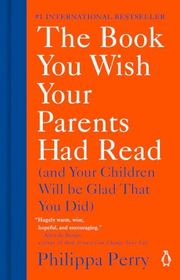
The Book You Wish Your Parents Had Read
For parents who want to understand how their own upbringing affects family relationships. Perry makes reflection and repairing misunderstandings central, though the relationship-focused approach provides fewer age-specific instructions than a practical childcare handbook.
What it's about
Philippa Perry explores how parents’ past experiences and emotional habits shape their relationships with children. The book discusses communication, acknowledging feelings, and repairing difficulties, encouraging adults to examine their own responses as well as the child’s behavior.

Parenting Beyond Pink & Blue
How to Raise Your Kids Free of Gender Stereotypes
For parents who want to notice how gender expectations shape everyday choices. Brown connects research with familiar settings such as toys and school, though the focused subject makes this a companion to broader parenting guides.
What it's about
Developmental psychologist Christia Spears Brown explains how gender stereotypes can limit children's interests and abilities. Drawing on research, she offers parents ways to encourage individual strengths and navigate expectations surrounding toys, school, sports, emotions, and social life.
Also recommended by
1 person Felicia Day recommended this book
Felicia Day
"A really funny, science-filled and accessible book about kids and gender roles we impose on them." - Felicia Day
Felicia Day's recommendation of this book

1-2-3 Magic
Gentle 3-Step Child & Toddler Discipline for Calm, Effective, and Happy Parenting
For parents who want a clearly structured response to recurring behavior problems. Phelan's organized program is easy to remember and discuss between caregivers, though the standardized techniques may feel less flexible than approaches centered on individual conflicts.
What it's about
Thomas Phelan presents a parenting program for children aged two to twelve, organized around controlling unwanted behavior, encouraging cooperation, and strengthening relationships. Practical techniques address discipline, testing limits, and recurring difficulties in everyday family life.

For parents curious about how developmental research relates to everyday choices. Medina gives the science an accessible narrative, though the broad explanations provide less detailed guidance for a specific age or recurring family problem.
What it's about
John Medina explores children's brain development from birth through age five, relating research to practical parenting questions. He discusses sleep, emotional development, learning, and family life while examining approaches to raising children who are both capable and happy.
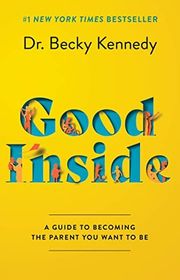
Good Inside
For parents who want to rethink difficult behavior without giving up boundaries. Kennedy connects children's struggles with parents' own reactions, though the conversational scripts and connection-centered framework take practice and may not fit every family naturally.
What it's about
Becky Kennedy presents a parenting approach that separates a child’s identity from difficult behavior. Discussions of boundaries, emotional regulation, and repairing conflict connect this framework with practical responses to common family challenges and parents’ own reactions.

For readers who want pregnancy and early motherhood examined through reporting and personal experience. Garbes questions familiar cultural assumptions, though the book offers perspective and inquiry rather than a comprehensive guide to everyday childcare.
What it's about
Angela Garbes combines personal experience and reporting to explore the science and cultural expectations surrounding pregnancy and motherhood. Discussions of miscarriage, birth, lactation, and bodily change question familiar advice and the judgments attached to maternal choices.

For parents who need help responding to conflict between siblings. The examples focus sharply on comparison, fairness, and competing feelings, though the suggested conversations need adaptation for children's ages and the particular relationships in a household.
What it's about
Adele Faber and Elaine Mazlish examine how parents can respond to conflict between siblings. Through anecdotes and practical examples, they challenge assumptions about unavoidable rivalry and discuss ways to acknowledge feelings, reduce comparisons, and encourage more cooperative relationships.

The Explosive Child
A New Approach for Understanding and Parenting Easily Frustrated, Chronically Inflexible Children
For parents whose child's repeated outbursts make ordinary discipline advice feel inadequate. Greene's collaborative problem-solving framework changes the questions parents ask, though it takes time, observation, and a willingness to work beyond quick behavioral fixes.
What it's about
Ross Greene presents an approach to children's severe outbursts centered on difficulties with flexibility, frustration tolerance, and problem solving. He explains how parents can work collaboratively with children to address the problems that trigger explosive behavior.

The Montessori Toddler
A Parent's Guide to Raising a Curious and Responsible Human Being
For parents who want Montessori ideas brought into everyday toddler life. Davies connects the home environment with observation and independence, though preparing spaces and changing adult habits may demand more time and consistency than expected.
What it's about
Simone Davies applies Montessori ideas to everyday life with a toddler. Practical suggestions for the home, activities, and parenting encourage adults to observe children's interests, respect their growing independence, and support curiosity while responding thoughtfully to challenging moments.

For parents who want infant behavior organized through a developmental-leap framework. The staged layout makes the authors' model easy to follow, though it offers a narrower perspective than a general reference on baby care and development.
What it's about
A guide organized around the authors’ model of ten developmental leaps during a baby’s first twenty months. It describes changes in behavior, periods of fussiness, emerging abilities, and activities parents can use to support their child.

For readers who want parenting placed within class structures and unequal opportunities. Lareau's detailed family observations add social context often missing from advice books, though the US-focused sociological study offers analysis rather than daily parenting techniques.
What it's about
Drawing on observations of Black and white families across social classes, Annette Lareau examines how parenting practices shape children’s opportunities. This edition also follows the original subjects into adulthood to explore the continuing effects of unequal childhood experiences.

What to Expect the First Year
For new parents who want a broad reference organized by month. The question-and-answer structure makes common concerns easy to locate, though the amount of detail can feel overwhelming when a shorter answer would be enough.
What it's about
A month-by-month guide to a baby’s first year, addressing feeding, sleep, development, safety, and everyday care. Heidi Murkoff answers common parental questions and discusses the practical adjustments that accompany life with a new baby.

How to Stop Losing Your Sh*t with Your Kids
A Practical Guide to Becoming a Calmer, Happier Parent
For parents who want to work on their own reactions during difficult moments. Naumburg's candid humor makes reflection approachable, though the strategies require repeated practice and provide less direct guidance on changing a child's behavior.
What it's about
Carla Naumburg examines why parents lose their tempers and offers strategies for recognizing triggers before reacting. Personal experience and practical exercises support an approach to managing stress, interrupting meltdowns, and responding more calmly during difficult interactions.

Positive Discipline
For parents and teachers who want firm boundaries alongside mutual respect. Nelsen gives cooperation and responsibility a consistent guiding framework, though applying the approach requires patience and more judgment than a simple rulebook provides.
What it's about
Jane Nelsen presents a discipline approach combining kindness with firm boundaries and mutual respect. Addressing parents and teachers, she explains strategies for improving communication, reducing power struggles, encouraging cooperation, and helping children develop responsibility without punitive methods.

For parents who want a substantial reference covering the first two years. The broad coverage makes it useful for browsing recurring care questions, though its attachment-oriented perspective is one parenting approach and the volume is extensive.
What it's about
A comprehensive guide to caring for babies from birth through age two. The Sears family covers feeding, sleep, development, common health concerns, and comforting techniques while encouraging parents to adapt their approach to their own child.
Sources
- 1
The Best Parenting Books for Toddlers, Kids and Beyond | Lucie's List
lucieslist.com
- 2
26 Best Parenting Books for Every Age and Stage
thecut.com
- 3
Parenting Books
goodreads.com
- 4
Best Parenting Books for Every Stage (Backed by Research)
thoughtfulparent.com
- 5
11 Best Books for New Parents in 2023
goodhousekeeping.com
- 6
Best Parenting Books for Every Stage, From Newborn to Toddler
babylist.com
- 7
What are your favorite parenting books? : r/Parenting
reddit.com
- 8
Parenting books : r/Mommit
reddit.com






Edited by
Software engineer whose passion for tracking book recommendations from podcasts inspired the creation of MRB.
Lead investor at 3one4 Capital whose startup expertise and love for books helped shape MRB and its growth.
Comments
Spotted a missing book, a wrong order or a mistake? Tell us and we'll fix this page.
We're a reading guide, not the author or publisher, so we can't send books or pass on messages.