
10 Best Baby Parenting Books
The best baby parenting books, ranked by how many expert sources recommend each one, with notes on who they suit and where new parents can start.
Our take
Baby parenting books can serve very different purposes. A broad care reference helps when a new question appears, while a focused sleep or soothing book develops one approach in greater detail. Cultural reporting and books about decision-making offer perspective rather than instructions for every situation. These choices suit new parents and caregivers who want to prepare without expecting one book to fit every baby.
For everyday questions, Baby 411 concentrates on the first year, while Caring for Your Baby and Young Child continues into the preschool years. Cribsheet explores how research and family preferences can inform choices. Bringing Up Bébé offers a personal look at parenting in France. The Happiest Baby on the Block focuses on newborn soothing, and Secrets of the Baby Whisperer emphasizes cues and routines. Start with a general reference, then choose a focused book for the question you actually have. Use current pediatric guidance alongside older approaches, especially for health and safety.
10 books · 7 sources · Last updated
As an Amazon Associate, we earn from qualifying purchases (at no extra cost to you).
How to choose from this list
Skip to the full rankingIf you want a first-year reference: Baby 411 → What to Expect the First Year
If you want guidance beyond infancy: Caring for Your Baby and Young Child → Your Baby and Child
If you want to weigh parenting evidence: Cribsheet
If you want a cultural perspective: Bringing Up Bébé
If you want to understand newborn soothing: The Happiest Baby on the Block
If you want to compare routine-focused approaches: Secrets of the Baby Whisperer → The Good Sleeper
The 10 books, ranked
Ranked by how many expert sources name each book. Ties go to the book more people recommend.

The Happiest Baby on the Block
For parents seeking a focused introduction to soothing newborns. Its memorable framework is easier to absorb than a comprehensive care reference, though it addresses only part of infancy and techniques need to follow current safety guidance.
What it's about
Harvey Karp explains his approach to calming crying infants and helping them sleep. The book introduces the idea of a fourth trimester and describes how parents can combine soothing techniques to recreate aspects of the womb.
Also recommended by
1 person Ashton Kutcher recommended this book
Ashton Kutcher
"If you want to be a hands-on parent and also have some version of a career, this book is gold." - Ashton Kutcher
Ashton Kutcher's recommendation of this book
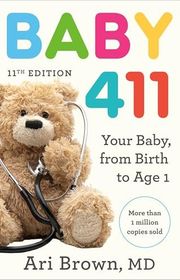
Baby 411
For parents who want direct answers they can return to during the first year. Ari Brown's eleventh edition offers a practical reference rather than a single parenting philosophy, though its scope stops earlier than guides covering the preschool years.
What it's about
Ari Brown's eleventh edition addresses common questions about newborn care and the first year, including feeding, sleep, growth, and illness. It organizes explanations and practical information for parents who need a reference as new questions arise.

Cribsheet
A Data-Driven Guide to Better, More Relaxed Parenting, from Birth to Preschool
For parents who want to weigh research and family preferences rather than follow one fixed system. Oster's decision framework distinguishes it from care manuals, though an economist's interpretation of evidence cannot replace individualized pediatric advice.
What it's about
Emily Oster examines research on parenting from birth through preschool, including feeding, sleep, childcare, and early development. Her economic approach weighs evidence alongside family preferences, presenting a framework for decisions that often provoke conflicting advice.

For parents curious about cultural alternatives to intensive American parenting. Druckerman's reporting and personal experience make it more conversational than a reference manual, though observations from France do not establish one universally better way to raise children.
What it's about
After becoming a mother in Paris, Pamela Druckerman investigates the parenting practices she observes around her. Combining personal experience with reporting, she explores differences in approaches to sleep, food, independence and the balance between children's needs and adult life.
Also recommended by
1 person Ramit Sethi recommended this book
Ramit Sethi
Ramit Sethi mentioned this book in the "What to Read Next" newsletter.
Ramit Sethi's recommendation of this book

For parents who like observing their baby's cues alongside a suggested daily structure. Hogg and Blau make routines central, though the proposed pattern is an approach to adapt rather than a schedule every infant will follow.
What it's about
Tracy Hogg and Melinda Blau present an approach to understanding babies’ temperaments and signals. The guide explains Hogg’s proposed routines for feeding, activity, and sleep, alongside methods for observing behavior and developing communication between parents and infants.

For parents who like organizing observations of changing infant behavior. Its leap framework offers prompts for noticing emerging abilities, though the authors' timetable should not be treated as a guaranteed schedule or a developmental assessment.
What it's about
A guide organized around the authors’ model of ten developmental leaps during a baby’s first twenty months. It describes changes in behavior, periods of fussiness, emerging abilities, and activities parents can use to support their child.
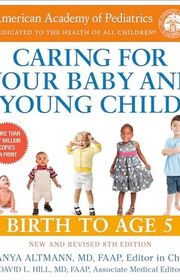
Caring for Your Baby and Young Child
For parents who want a substantial medical and developmental reference through age five. The eighth edition provides broader coverage than sleep-focused books, though its size favors looking up specific questions rather than reading straight through.
What it's about
The American Academy of Pediatrics covers child care from birth through age five, including development, feeding, common illnesses, and safety. The eighth edition updates the organization's guidance in a reference designed for parents and caregivers.

What to Expect the First Year
For first-time parents who prefer a broad reference organized around the first year. Its question-based format supports quick consultation, though the coverage is less personal than a parenting memoir and health information needs a current edition.
What it's about
A month-by-month guide to a baby’s first year, addressing feeding, sleep, development, safety, and everyday care. Heidi Murkoff answers common parental questions and discusses the practical adjustments that accompany life with a new baby.

For tired parents who want one focused account of infant sleep rather than a general baby manual. Kennedy provides a coherent approach to routines, though families who prefer comparing several methods may find its perspective too narrow.
What it's about
Kennedy introduces infant sleep and presents her approach to helping babies develop sleep routines. Written for exhausted parents, the guide discusses naps, nighttime waking, sleep training, and competing parenting approaches, considering the needs of both babies and their caregivers.

For parents who want a child-centered account that continues beyond infancy. Leach's developmental perspective gives it a longer useful horizon than first-year guides, though its breadth makes it less targeted for solving one immediate newborn question.
What it's about
Leach guides parents through the physical, psychological, and emotional development of children from birth to age five. Everyday questions about sleep, tantrums, shyness, childcare, and family changes help readers understand their children and make decisions about care.
Sources
- 1
Best Parenting Books for Babies
lucieslist.com
- 2
10 Books To Help You Survive the First Year of Parenthood
readbrightly.com
- 3
Baby Parenting Books
goodreads.com
- 4
The Best Parenting Books (From Newborn Days to Toddler Years)
babylist.com
- 5
Parenting Your Young Child: Resources to save and share
mydoctor.kaiserpermanente.org
- 6
Book Recommendations for New Parents
reddit.com
- 7
10 Baby Books Vetted by Actual Parents
thecut.com






Edited by
Software engineer whose passion for tracking book recommendations from podcasts inspired the creation of MRB.
Lead investor at 3one4 Capital whose startup expertise and love for books helped shape MRB and its growth.
Comments
Spotted a missing book, a wrong order or a mistake? Tell us and we'll fix this page.
We're a reading guide, not the author or publisher, so we can't send books or pass on messages.