
13 Best Real Estate Books
The best real estate books, ranked by how many expert sources recommend each one, with notes for new agents, experienced sellers, and property investors.
Our take
Real estate books serve several different careers and decisions. An agent needs ways to find clients, manage follow-up, negotiate, and run a business. A property investor needs to evaluate purchases and understand the work that follows ownership. General books about communication or motivation can support either path, but they offer a different kind of help from a manual about the property business.
For an agent building a business, The Millionaire Real Estate Agent provides a starting framework, while Shift addresses adapting when market conditions change. 7L and Ninja Selling concentrate on relationships, and The Conversion Code connects online interest with sales follow-up. Readers planning to own property can turn to The Millionaire Real Estate Investor for a broad model or The Book on Rental Property Investing for a rental-focused introduction. Start by deciding whether your immediate task is serving clients or managing your own investment.
13 books · 10 sources · Last updated
As an Amazon Associate, we earn from qualifying purchases (at no extra cost to you).
How to choose from this list
Skip to the full rankingIf you're building an agent business: The Millionaire Real Estate Agent → Shift
If you want stronger client relationships: Ninja Selling → 7L
If you need online leads to become appointments: The Conversion Code
If you're defining your professional brand: The Road to Recognition
If you're considering property investing: The Millionaire Real Estate Investor → The Book on Rental Property Investing
The 13 books, ranked
Ranked by how many expert sources name each book. Ties go to the book more people recommend.

The Millionaire Real Estate Agent
It's Not About the Money It's About Being the Best You Can Be
For agents who want a model for building a sales business rather than isolated selling tips. It connects lead generation, staffing, and financial planning, though its growth ambitions may exceed what an independent part-time agent wants.
What it's about
Gary Keller, Dave Jenks, and Jay Papasan outline models for building a successful real estate sales business. They cover financial planning, lead generation, and organizational structure while encouraging agents to pursue ambitious professional goals.

For established agents whose usual approach is struggling in a changing market. Its focus on expenses, prospects, and pricing conversations gives it a different purpose from a startup manual, though older market examples need context.
What it's about
Gary Keller and his coauthors present twelve strategies for adapting a real estate business to changing markets. They address expenses, lead generation, hesitant buyers, financing options, and the opportunities created by difficult conditions.

The Book on Rental Property Investing
How to Create Wealth with Intelligent Buy and Hold Real Estate Investing
For readers who want to own rentals rather than earn commissions as agents. Its coverage follows the investment process from finding properties to management, though the US setting and broad scope leave local rules and detailed analysis to other references.
What it's about
Brandon Turner outlines how to build a rental-property business using buy-and-hold investing. He explains planning, finding and evaluating properties, financing purchases, and managing rentals, drawing on his experience to discuss both opportunities and common obstacles.

The Millionaire Real Estate Investor
For readers who want a broad framework for organizing property investment goals, finances, and relationships. Investor examples distinguish it from the agent business manual, though successful case studies provide perspective rather than a reliable forecast of personal results.
What it's about
Drawing on the experiences of more than one hundred investors, Gary Keller and his coauthors explain approaches to building wealth through property. Topics include investment criteria, negotiating deals, assembling a team, and tracking finances.

How To Win Friends and Influence People
For agents who need stronger listening and relationship skills before adding another sales script. The broad interpersonal principles travel beyond property transactions, though dated examples and the absence of real estate procedures limit its use as professional training.
What it's about
Carnegie presents practical guidance for building relationships, communicating effectively, and influencing others. Stories and principles explore social confidence, leadership, and cooperation, offering approaches readers can apply to interactions in their personal lives and at work.
Also recommended by
18 people Warren Buffett recommended this book
Warren Buffett
"In my office, you will not see the degree I have from the University of Nebraska, or the master’s degree I have from Columbia University, but you’ll see the certificate I got from the Dale Carnegie course." - Warren Buffett
Warren Buffett's recommendation of this book  Scott Adams recommended this book
Scott Adams
One of the books on Scott Adams' "Persuasion Reading List."
Scott Adams's recommendation of this book  Dave Ramsey recommended this book
Dave Ramsey
Recommended on Dave Ramsey's website.
Dave Ramsey's recommendation of this book  Paul Graham recommended this book
Paul Graham
"The one book we encourage startup founders to read. [...] It's critically important for anyone in business." - Paul Graham
Paul Graham's recommendation of this book  Derek Sivers recommended this book
Derek Sivers
Derek Sivers mentioned this book on "The Tim Ferriss Show" podcast.
Derek Sivers's recommendation of this book  Dustin Moskovitz recommended this book
Dustin Moskovitz
"Seek to be understood." - Dustin Moskovitz
Dustin Moskovitz's recommendation of this book +12
More recommendations
- Ken Block
"One of the first books that really helped me achieve my management style and what’s helped me really be successful." - Ken Block
- DJ Vlad
Most Recommended Books reached out to DJ Vlad directly.
- Strauss Zelnick
"Archaic references and overweening title to the side, it’s actually a great guide to leadership and salesmanship." - Strauss Zelnick
- Daymond John
"I love all the Dale Carnegie books." - Daymond John
- Shay Carl
"A staple that I have listened to three or four times." - Shay Carl
- Tim Draper
"[One of the books] that are recommended or required at Draper University." - Tim Draper
- Sahil Lavingia
Sahil Lavingia recommended this book on Notion.
- Barbara Corcoran
"A must read for anyone in business." - Barbara Corcoran
- Alex Hormozi
Alex Hormozi recommended this book on Instagram.
- Michael Hyatt
Michael Hyatt recommended this book on his website.
- Ben Greenfield
Most Recommended Books reached out to Ben Greenfield directly.
- Patrick Bet-David
Patrick Bet-David recommended this book on his website.
- Ken Block

The Greatest Salesman in the World
For agents looking for encouragement around persistence and daily habits. Its brief, reflective approach offers a change from operational manuals, though it supplies little guidance on listings, contracts, lead generation, or the details of running a business.
What it's about
Hafid, a young camel boy in Jerusalem, longs to become a successful merchant and seeks guidance from a master salesman. Og Mandino's fable uses his journey and ten ancient scrolls to explore habits, persistence, emotions, and fulfillment.
Also recommended by
3 people Matthew McConaughey recommended this book
Matthew McConaughey
"The most instrumental piece of literature and motivation I’ve ever read for me in my life." - Matthew McConaughey
Matthew McConaughey's recommendation of this book  Grant Cardone recommended this book
Grant Cardone
"My fav self help book." - Grant Cardone
Grant Cardone's recommendation of this book  Patrick Bet-David recommended this book
Patrick Bet-David
Patrick Bet-David recommended this book on his website.
Patrick Bet-David's recommendation of this book

For agents who want to develop referrals through sustained relationships and communication. The story format makes the framework approachable, though readers seeking a direct checklist or evidence about referral results may prefer a more conventional manual.
What it's about
Struggling real estate agent Rick Masters meets a mortgage professional whose business grows through referrals. Their encounters introduce Michael Maher's approach to relationship building, generosity, and communication, presented as a business story rather than a conventional sales manual.

For agents who want short phrases to consider when preparing difficult conversations. Its compact format makes practice easy, though general influence techniques need adapting to the client and do not replace attentive listening or transaction knowledge.
What it's about
Phil Jones presents short language techniques intended to influence conversations and help people make decisions. Each chapter explains the reasoning behind a phrase and supplies examples of its use, drawing on situations in sales negotiations and everyday exchanges.
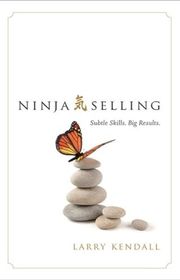
Ninja Selling: Subtle Skills. Big Results.
For agents who want a relationship-centered sales system built around questions and listening. It provides a useful alternative to phrase collections, though applying the wider routine requires sustained practice rather than a quick change of wording.
What it's about
Larry Kendall presents a sales approach focused on understanding clients, building relationships, and organizing daily work. Questions, listening practices, and routines connect personal effectiveness with the practical work of maintaining a real estate sales business.

The Conversion Code
Capture Internet Leads, Create Quality Appointments, Close More Sales
For agents trying to connect online inquiries with appointments and consistent follow-up. It bridges marketing and sales more directly than a branding book, though platform examples and digital tactics need checking against present tools and customer expectations.
What it's about
Chris Smith connects online lead generation with the work of turning inquiries into appointments and sales. His guide combines marketing templates, landing-page strategies, and sales scripts, offering a step-by-step process for managing prospects from initial interest through follow-up.

The HyperLocal HyperFast Real Estate Agent
How to Dominate Your Real Estate Market in Under a Year- I Did it and so Can You!
For agents who want to concentrate their marketing on a defined local area. The focused case study makes positioning concrete, though results from one agent and location cannot establish what another market will support.
What it's about
Daniel Lesniak describes how he built a real estate business by concentrating on specific local markets. Examples from Arlington, Virginia, explain segmentation, targeting, positioning, and communicating a value proposition to prospective clients while developing a focused market presence.

For agents who want a structured approach to personal development around a demanding schedule. Its professional setting makes the routine relatable, though morning habits offer little help with the technical or commercial details of an individual transaction.
What it's about
Overworked real estate agent Rick Masters and his wife, lender Michelle, encounter a thirty-day challenge centered on changing their mornings. Their story illustrates how daily personal development practices might reshape demanding professional lives and personal priorities.

The Road to Recognition
For agents who need to clarify what they want to be known for professionally. Its broad branding framework can organize a public presence, though it is less specific about local prospecting and sales operations than the agent-focused manuals.
What it's about
Seth Price and Barry Feldman organize personal branding into 26 alphabetical lessons. They explain how to define expertise, build an online presence, share useful content, and develop professional visibility, drawing on advice from branding and marketing practitioners.
Sources
- 1
The 25 Best Books for Real Estate Agents
theclose.com
- 2
19 Best Books on Real Estate Sales
biggerinvesting.com
- 3
20 best books for real estate agents to close more deals
followupboss.com
- 4
Real Estate Books
goodreads.com
- 5
Best books to read and learn from?
reddit.com
- 6
Do you have any suggestions for books about sales or real estate?
reddit.com
- 7
33 Best Books for Real Estate Agents in 2023
tonefleming.com
- 8
7 Best Real Estate Books to Help You Succeed as an Agent
2-10.com
- 9
Best Real Estate Books for Buying, Selling, and Investing in 2026
homelight.com
- 10
15 Best Real Estate Investing Books—and Which to Read First
therealestateinvestingclub.com




Edited by
Software engineer whose passion for tracking book recommendations from podcasts inspired the creation of MRB.
Lead investor at 3one4 Capital whose startup expertise and love for books helped shape MRB and its growth.
Comments
Did we miss something? Have feedback?
Help us improve this page by sharing your thoughts