
20 Best Real Estate Investment Books
The best real estate investment books, ranked by how many expert sources recommend each one, with notes on deal analysis, rentals, financing and management.
Our take
Real estate investment books can explain how to analyze a potential purchase, plan a renovation or run a rental after the sale closes. Some offer broad business frameworks, while others focus on financing, taxes, negotiation or the responsibilities of being a landlord. Many use US examples and legal assumptions. Their calculations and case studies are tools for understanding decisions, not promises that a property or strategy will produce the same results.
The Book on Rental Property Investing introduces buy-and-hold ownership, while The Millionaire Real Estate Investor takes a broader planning approach. For the numbers, What Every Real Estate Investor Needs to Know About Cash Flow explains common measures, and Real Estate Finance and Investments offers a more demanding professional perspective. The Book on Estimating Rehab Costs focuses on project budgets, while The Book on Managing Rental Properties addresses tenant operations. Long-Distance Real Estate Investing examines the extra coordination involved in buying elsewhere. Start with a broad introduction, then choose a specialist book for the responsibilities and assumptions you need to understand more clearly.
20 books · 8 sources · Last updated
As an Amazon Associate, we earn from qualifying purchases (at no extra cost to you).
How to choose from this list
Skip to the full rankingIf you're comparing investment approaches: Real Estate Investing QuickStart Guide → The Book on Rental Property Investing
If you want to understand deal analysis: What Every Real Estate Investor Needs to Know About Cash Flow → Real Estate Finance and Investments
If you're studying renovation for resale: The Book on Estimating Rehab Costs → The Book on Flipping Houses
If you want to understand landlord operations: Buy It, Rent It, Profit! → The Book on Managing Rental Properties
If you're considering another location: Long-Distance Real Estate Investing
If you want to study negotiation: The Book on Negotiating Real Estate
The 20 books, ranked
Ranked by how many expert sources name each book. Ties go to the book more people recommend.

What Every Real Estate Investor Needs to Know About Cash Flow
... And 36 Other Key Financial Measures
For readers who need to understand the numbers behind a property comparison. Gallinelli's worked measures make cash flow and returns more concrete, though the calculations are only as useful as the assumptions, costs and forecasts put into them.
What it's about
Gallinelli explains financial measures used to evaluate property investments, including cash flow, net operating income, capitalization rates and internal rates of return. Worked examples show how calculations can inform comparisons between prospective real estate deals.

The ABCs of Real Estate Investing
The Secrets of Finding Hidden Profits Most Investors Miss
For readers who want property selection connected with operating performance. McElroy's emphasis on research, pricing and management helps bridge general wealth ideas and rental decisions, though the author's investment approach is one framework rather than a universal model.
What it's about
McElroy explains his approach to evaluating investment properties and identifying potential profits. He discusses market research, pricing, negotiation and property management, connecting the purchase decision with the ongoing work of operating a rental investment.

The Millionaire Real Estate Investor
For readers who want a business framework for criteria, teams and financial tracking. Keller organizes lessons from multiple investors into a repeatable planning structure, though successful investors' experiences are not evidence that another reader will achieve similar returns.
What it's about
Drawing on the experiences of more than one hundred investors, Gary Keller and his coauthors explain approaches to building wealth through property. Topics include investment criteria, negotiating deals, assembling a team, and tracking finances.

Long-Distance Real Estate Investing
How to Buy, Rehab, and Manage Out-of-State Rental Properties
For readers considering rentals beyond their own area who need to understand oversight and team dependence. Greene makes remote systems central, though distance adds coordination and verification problems that a team-building framework cannot remove on its own.
What it's about
Greene describes systems for buying, renovating and managing rental properties in other states. He explains how to evaluate neighborhoods and assemble local teams of agents, lenders and contractors while overseeing projects from a distance.

For readers studying renovation for resale as a project-based business. Scott follows the process from acquisition through contractors and sale, though project costs, financing and market conditions can change substantially and require more than a book's worked examples.
What it's about
Scott walks through the process of purchasing residential properties, renovating them and selling them again. He covers choosing markets, locating deals, arranging financing, working with contractors and coordinating the stages of a house-flipping project.
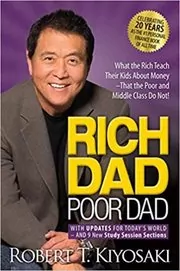
Rich Dad Poor Dad
What the Rich Teach Their Kids About Money That the Poor and Middle Class Do Not!
For readers who want an accessible discussion of ownership, cash flow and attitudes toward money. The stories can prompt useful questions, though this is a general financial mindset book rather than a detailed property-analysis or landlord-operations manual.
What it's about
Rich Dad, Poor Dad contrasts the money lessons Kiyosaki says he learned from his poor biological father and his rich mentor. Through simple stories he explains assets versus liabilities, cash flow, and why working only for a paycheck rarely leads to lasting wealth.
Also recommended by
3 people Will Smith recommended this book
Will Smith
Will Smith mentioned sharing this book with his son.
Will Smith's recommendation of this book  Anthony Pompliano recommended this book
Anthony Pompliano
"My favorite book of all time." - Anthony Pompliano
Anthony Pompliano's recommendation of this book  Patrick Bet-David recommended this book
Patrick Bet-David
Patrick Bet-David recommended this book on his website.
Patrick Bet-David's recommendation of this book
Real Estate Finance and Investments: Risks and Opportunities
For readers who want a professional-level treatment of finance and investment judgment. The textbook connects mathematical tools with real-world ambiguity, though it requires more quantitative effort than a beginner guide and does not turn a model into a guaranteed outcome.
What it's about
Peter Linneman and Bruce Kirsch explain real estate finance, investment strategy and the judgment behind property decisions. Edition 5.3 combines mathematical foundations with market examples, covering capital, pricing, cycles and investment structures while emphasizing the limits of formulaic answers.

The Book on Estimating Rehab Costs
For readers who want a systematic way to define renovation work before building a budget. Breaking projects into components supports more disciplined estimates, though local labor rates, materials and hidden defects require fresh information rather than copying example costs.
What it's about
Scott explains how investors can assess a property's renovation needs, define a scope of work and construct a budget. The guide organizes rehabilitation projects into components to support cost estimates before committing to a purchase.
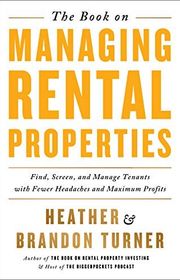
The Book on Managing Rental Properties
For landlords who need systems after the purchase rather than more acquisition ideas. The focus on screening, leases and tenant relationships fills an operational gap, though local housing law and fair-housing requirements must guide how any process is applied.
What it's about
Brandon and Heather Turner explain systems for operating rental properties, from attracting and screening tenants to leases, rent collection and ongoing management. Stories and practical examples connect the responsibilities of ownership with the everyday work of running a rental business.

The Book on Rental Property Investing
How to Create Wealth with Intelligent Buy and Hold Real Estate Investing
For beginners who want a broad view of buying and holding rental property. Turner connects finding deals with financing and management, though the US-centered examples need local adaptation and the business still involves ongoing work and financial risk.
What it's about
Brandon Turner outlines how to build a rental-property business using buy-and-hold investing. He explains planning, finding and evaluating properties, financing purchases, and managing rentals, drawing on his experience to discuss both opportunities and common obstacles.

Build a Rental Property Empire
The No-Nonsense Book on Finding Deals, Financing the Right Way, and Managing Wisely
For readers who want one investor's practical account of building and managing a rental portfolio. Ferguson connects acquisition with financing and ongoing decisions, though the approach reflects particular market experience and cannot establish what will work in another location.
What it's about
Ferguson explains his approach to building a portfolio of rental properties, from finding and evaluating deals to financing and management. Examples address market selection, investment risks and the practical decisions involved in buying or selling.

For prospective landlords who want tenant and management responsibilities alongside purchase planning. Chavis gives daily operations more attention than mindset books do, though lease practices and rental rules must be checked locally rather than assumed to apply everywhere.
What it's about
Chavis describes the work of becoming a landlord, covering property selection, financing, tenants, leases and rent collection. The guide combines investment planning with the everyday systems and technology used to operate rental properties.

For readers who want an introduction to ownership structures, liability and the role of advisers. Sutton brings legal considerations into the investment discussion, though the US-oriented concepts and changing rules make it a conversation starter rather than individualized legal guidance.
What it's about
Garrett Sutton outlines his approach to the tax and legal aspects of real estate investing. The book discusses property ownership, liability protection, investment selection, and working with professional advisers, placing these considerations alongside strategies for building income from rental properties.
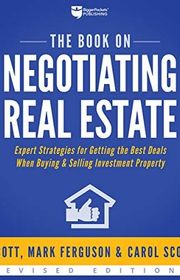
The Book on Negotiating Real Estate
For readers who want to study conversations and deal terms rather than only property calculations. Examples cover negotiations across the transaction process, though scripts and tactics need adapting to the other party, local practice and the actual contract.
What it's about
J Scott, Mark Ferguson and Carol Scott examine negotiation during property purchases and sales. Examples and sample dialogue address early conversations, objections, inspections, appraisals and renegotiation, connecting communication choices with the practical stages of an investment transaction.

The Book on Tax Strategies for the Savvy Real Estate Investor
Powerful Techniques Anyone Can Use to Deduct More, Invest Smarter, and Pay Far Less to the IRS
For US investors who want to understand tax planning and recordkeeping vocabulary before discussing their situation with an adviser. The practical focus makes organization concrete, though the rules change and the book's examples cannot determine an individual's current tax position.
What it's about
Han and Matthew MacFarland discuss tax planning for real estate investors, including recordkeeping, expenses and deductions. Their guide connects investment decisions with business organization and bookkeeping, presenting strategies to consider within an investor's broader financial planning.

For readers interested in how local market conditions can shape investment decisions. Lindahl connects market stages with research and exit planning, though recognizing a pattern in past examples does not make the next change in prices predictable.
What it's about
Lindahl outlines an investment approach based on recognizing stages in local property markets. He covers deal analysis, financing, inspections and team building, with attention to investing beyond one's home area and planning an exit.

For readers who prefer an incremental investing memoir to a comprehensive manual. Zuber connects property decisions with employment and family constraints, though one investor's journey offers experience to examine rather than a forecast of financial independence.
What it's about
Zuber recounts building a rental-property portfolio while balancing employment and family life. His account follows an incremental approach to acquiring properties and developing a second income, sharing lessons from the decisions along the way.

Timing the Real Estate Market
For readers who want a framework for thinking about the forces behind property cycles. Hall connects trends with buying, holding and selling decisions, though an older account of market patterns should not be treated as a reliable timing signal.
What it's about
Hall examines seven major trends that influence property prices and investment opportunities. He describes a framework for deciding when to buy, hold or sell, including approaches to adding value and recognizing opportunities during market downturns.

Mastering the Art of Commercial Real Estate Investing
How to Successfully Build Wealth and Grow Passive Income from Your Rental Properties
For readers moving beyond general property introductions toward commercial investing. Marshall's six-principle framework connects financing, evaluation and asset management, though the broad overview offers less technical modeling depth than a professional real estate finance textbook.
What it's about
Marshall introduces his framework for commercial-property investing through six guiding principles. He discusses evaluating purchases, arranging financing and managing rental assets, as well as preparing for a sale and navigating the business's recurring decisions.

Real Estate Investing QuickStart Guide
For beginners still comparing routes into property investing. The broad survey helps distinguish rentals, commercial property, flipping and other approaches, though that range necessarily gives individual strategies less depth than a specialist book on analysis or management.
What it's about
He introduces the major routes into property investing, including rental housing, commercial properties, land, wholesaling, flipping and real estate investment trusts. The guide explains financing, deal analysis and the steps involved in completing an investment.
Sources
- 1
Best Real Estate Investing Books of All Time
realwealth.com
- 2
15 Best Real Estate Investing Books: Which to Read First
therealestateinvestingclub.com
- 3
Best Books on Real Estate Investing
smartasset.com
- 4
30+ Books for Real Estate Investors of All Levels
sell.realtor.com
- 5
Real Estate Private Equity (REPE) | Top Book Recommendations
wallstreetprep.com
- 6
Real Estate Investing Books
goodreads.com
- 7
Big Book List
reddit.com
- 8
Real Estate and Investment Books
crenetwork.org


Edited by
Software engineer whose passion for tracking book recommendations from podcasts inspired the creation of MRB.
Lead investor at 3one4 Capital whose startup expertise and love for books helped shape MRB and its growth.
Comments
Spotted a missing book, a wrong order or a mistake? Tell us and we'll fix this page.
We're a reading guide, not the author or publisher, so we can't send books or pass on messages.