
13 Best Private Equity Books
The best private equity books, ranked by how many expert sources recommend each one, with notes to help you choose deal histories, textbooks, and critical studies.
Our take
Private equity books approach the industry from several directions: how deals are financed, how funds operate, what owners change in companies, and who benefits or bears the costs. A dramatic account of a buyout can make the incentives memorable, but it serves a different purpose from a textbook on fund structures or a study of investment performance.
Barbarians at the Gate and King of Capital provide narrative entry points. Mastering Private Equity offers a structured overview, while Venture Capital and Private Equity uses cases for closer analysis. Private Equity as an Asset Class takes the fund investor’s perspective, and Private Equity Operational Due Diligence examines processes and controls. For management practices, consider Lessons from Private Equity Any Company Can Use. Private Equity Laid Bare and Plunder raise different questions about the industry’s economics and consequences. Start with a history for context, then choose the technical or critical perspective that matches what you want to understand.
13 books · 11 sources · Last updated
As an Amazon Associate, we earn from qualifying purchases (at no extra cost to you).
How to choose from this list
Skip to the full rankingIf you're new to the industry's history: Barbarians at the Gate → King of Capital
If you want a structured technical overview: Mastering Private Equity → Venture Capital and Private Equity
If you want the fund investor's perspective: Private Equity as an Asset Class → Private Equity Operational Due Diligence
If you want company management ideas: Lessons from Private Equity Any Company Can Use → Competition Demystified
If you want to examine the industry's claims and costs: Private Equity Laid Bare → Plunder
The 13 books, ranked
Ranked by how many expert sources name each book. Ties go to the book more people recommend.
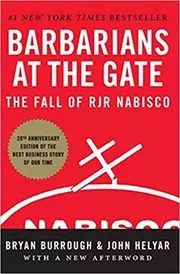
For readers who want the incentives and rivalries behind a leveraged buyout made concrete. The reported deal narrative makes negotiations memorable, though its focus on one historic transaction teaches less about routine fund operations or present-day deal structures.
What it's about
Bryan Burrough and John Helyar reconstruct the struggle to acquire RJR Nabisco in a massive leveraged buyout. Executives, bankers, and competing bidders maneuver through negotiations that expose the ambition, rivalry, and financial engineering behind the deal.
Also recommended by
4 people Chamath Palihapitiya recommended this book
Chamath Palihapitiya
"Excellent." - Chamath Palihapitiya
Chamath Palihapitiya's recommendation of this book  Jason Calacanis recommended this book
Jason Calacanis
"Next level." - Jason Calacanis
Jason Calacanis's recommendation of this book  Keith Rabois recommended this book
Keith Rabois
"Suggested reading this book this am on stage at Techweek." - Keith Rabois
Keith Rabois's recommendation of this book  Trung Phan recommended this book
Trung Phan
"About the Private Equity industry." - Trung Phan
Trung Phan's recommendation of this book
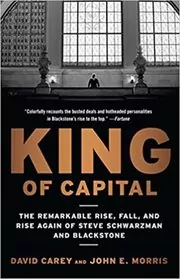
King of Capital
The Remarkable Rise, Fall, and Rise Again of Steve Schwarzman and Blackstone
For readers interested in how a major private equity firm developed over time. The history connects individual deals with organizational growth and setbacks, though its concentration on Blackstone offers less coverage of the industry’s full range of strategies.
What it's about
David Carey and John E. Morris trace Steve Schwarzman's career and the development of Blackstone. Their history follows the firm's deals, setbacks, and expansion, placing its rise within the changing business of private equity and the financial crisis.
Also recommended by
1 person Anthony Pompliano recommended this book
Anthony Pompliano
"[One of the] best books I read in 2017." - Anthony Pompliano
Anthony Pompliano's recommendation of this book
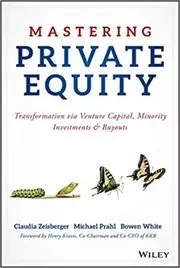
Mastering Private Equity
Transformation via Venture Capital, Minority Investments and Buyouts
For readers who want a structured overview from deal sourcing through ownership and exit. The coverage connects different investment types with value creation, though the breadth and technical vocabulary make some prior finance knowledge helpful.
What it's about
Claudia Zeisberger, Michael Prahl, and Bowen White explain private equity across venture capital, growth investments, and buyouts. They follow the investment process from sourcing deals to exits, covering operational value creation, responsible investing, and risk management.
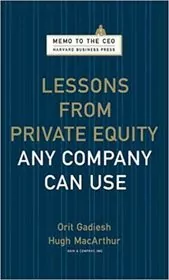
Lessons from Private Equity Any Company Can Use
For company leaders interested in applying selected private equity management practices. The concise focus on priorities, incentives, and performance makes it practical for discussion, though the recommendations offer less evidence and technical detail than a fuller operating or investment textbook.
What it's about
Orit Gadiesh and Hugh MacArthur show how companies can apply private equity management practices. Their concise guide examines investment theses, plans for change, focused performance measures, management incentives, and redeploying capital to improve business performance.
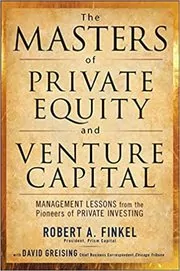
The Masters of Private Equity and Venture Capital
Management Lessons from the Pioneers of Private Investing
For readers who prefer learning from experienced investors’ decisions and reflections. The interviews offer varied perspectives on management and value creation, though the selective career stories provide less systematic analysis than a textbook or case course.
What it's about
Robert Finkel and David Greising draw on interviews with private equity and venture capital pioneers. Their stories examine selecting management teams, entering new markets, improving portfolio-company operations, and applying lessons from private investing to other organizations.
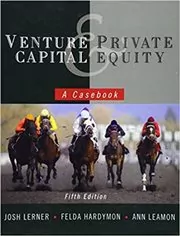
For students who want to work through decisions rather than read only general principles. The cases connect financing concepts with specific situations, though they are most useful with basic corporate-finance knowledge and time for analysis.
What it's about
Josh Lerner, Felda Hardymon, and Ann Leamon use cases and industry notes to examine venture capital and private equity. The casebook explores how firms operate, applies corporate-finance concepts, and compares approaches to valuing investments.
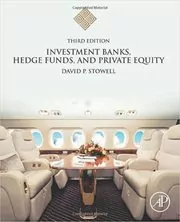
Investment Banks, Hedge Funds, and Private Equity
For readers who want to understand private equity within the wider financial system. The comparison with banks and hedge funds clarifies institutional relationships, though the divided attention gives each private equity topic less depth than a dedicated specialist text.
What it's about
David Stowell examines how investment banks, hedge funds, and private equity firms operate, compete, and collaborate. This third edition uses case studies and updated analysis to explore their evolving roles within financial markets and corporate transactions.
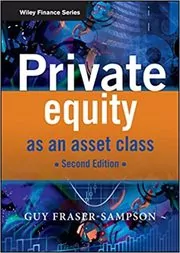
Private Equity as an Asset Class
For readers interested in evaluating private equity from the fund investor’s side. The attention to return patterns and investment programs distinguishes it from deal narratives, though the specialist focus assumes more comfort with performance analysis than a beginner’s history.
What it's about
Guy Fraser-Sampson explains private equity's distinctive investment structures and return patterns. He examines venture capital and buyout funds, performance measurement, the J-curve, due diligence, and planning a fund-investment program for investors, professionals, and business students.
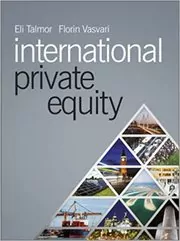
International Private Equity
For students and professionals who want private equity examined across markets. The combination of explanations and international cases gives the investment process context, though the broad coverage requires more commitment than a short introduction and cannot capture every local rule.
What it's about
Eli Talmor and Florin Vasvari examine private equity through international cases and explanatory chapters. They cover fundraising, fund structures, performance measurement, valuation, due diligence, leveraged buyouts, and investment exits, including examples from emerging markets.

Plunder: Private Equity's Plan to Pillage America
For readers who want to examine the social costs alleged against private equity ownership. The company cases connect financial incentives with consequences for workers and customers, though this is a prosecutorial argument rather than a balanced technical survey.
What it's about
Brendan Ballou argues that private equity’s ownership structures and incentives can harm companies, workers, and customers. Cases across several industries support his examination of debt, limited liability, and regulation, alongside proposals for changing how the industry operates.
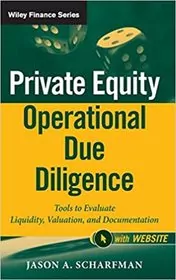
Private Equity Operational Due Diligence
Tools to Evaluate Liquidity, Valuation, and Documentation
For professionals examining the operational risks of a fund before committing capital. The attention to documentation, valuation processes, and controls complements investment analysis, though the specialist material offers little orientation for readers new to the industry.
What it's about
Jason Scharfman explains how to assess operational risks in private equity and real estate funds. The guide covers legal documents, financial statements, valuation methods, pricing records, and liquidity concerns, using case studies to examine operational fraud.
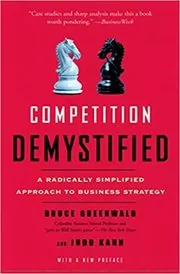
For readers who need a framework for judging a company’s competitive position. Its focus on barriers to entry supports investment analysis beyond a single transaction, though it teaches business strategy rather than private equity fund structures or deal execution.
What it's about
Bruce Greenwald and Judd Kahn offer a framework for analyzing competition and choosing business strategy. They examine industry structure, barriers to entry, competitive advantages, economies of scale, and interactions among rivals, using company examples to illustrate strategic decisions.
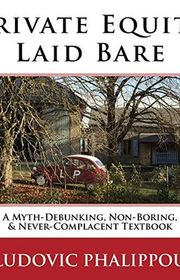
Private Equity Laid Bare
For readers who want private equity mechanics explained alongside scrutiny of fees and performance. The simplified examples make difficult financial concepts discussable, though the emphasis on evaluating industry claims still requires attention to numbers and definitions.
What it's about
Ludovic Phalippou introduces private equity terminology, structures, and financial mechanics through simplified examples and academic research. He examines how performance is measured and how fees and incentives affect the economics of investing in private equity funds.
Sources
- 1
10 Best Private Equity Books Every Investor Should Read
rings.ai
- 2
Best Private Equity Books | Street Of Walls
streetofwalls.com
- 3
The 10 Best Private Equity Books - Financial Expert™
financial-expert.co.uk
- 4
41 Best Books on Private Equity - Bigger Investing
biggerinvesting.com
- 5
100 Best Private Equity Books of All Time (Updated for 2026)
shortform.com
- 6
Private Equity Books
goodreads.com
- 7
9. What are the Best Private Equity Books to Read? - Mink Learning
minklearning.com
- 8
Best Private Equity Books of All Time: 25 Must-Reads
notveryprivateequity.com
- 9
Educate me : r/private_equity
reddit.com
- 10
Best 5 Private Equity Books (must read) | WallstreetMojo [Updated 2026]
wallstreetmojo.com
- 11
PE Literature Recommendations : r/private_equity
reddit.com



Edited by
Software engineer whose passion for tracking book recommendations from podcasts inspired the creation of MRB.
Lead investor at 3one4 Capital whose startup expertise and love for books helped shape MRB and its growth.
Comments
Spotted a missing book, a wrong order or a mistake? Tell us and we'll fix this page.
We're a reading guide, not the author or publisher, so we can't send books or pass on messages.