
11 Best Personal Branding Books
The best personal branding books, ranked by how many expert sources recommend each one, with notes on positioning, career changes, creators and visibility.
Our take
Personal branding involves deciding what you want people to understand about your work, then giving them consistent reasons to believe it. The questions differ by situation: an employee changing careers needs to establish new credibility, a consultant needs a clear offer, and a creator may want an audience or commercial partnerships. These books range from structured exercises to marketing principles and short creative prompts.
BrandingPays and Personal Branding For Dummies provide broad planning frameworks. Reinventing You is more focused on a professional transition, while Stand Out explores becoming known for a distinctive idea. Building a StoryBrand helps clarify a message, and This Is Marketing asks whom that message should serve. For public visibility, KNOWN emphasizes sustained audience development and Show Your Work! offers a lighter introduction to sharing your process. Influencer and You Are The Brand address more explicitly commercial ambitions. Start with the book that matches your immediate question: direction, message, visibility or building a business.
11 books · 6 sources · Last updated
As an Amazon Associate, we earn from qualifying purchases (at no extra cost to you).
How to choose from this list
Skip to the full rankingIf you're defining your professional position: BrandingPays → Stand Out
If you're changing career direction: Reinventing You
If you need to clarify your message: This Is Marketing → Building a StoryBrand
If you're ready to share your expertise: Show Your Work! → KNOWN
If you're building a business around yourself: You Are The Brand
If you want creator partnerships: Influencer
The 11 books, ranked
Ranked by how many expert sources name each book. Ties go to the book more people recommend.

For creatives who find conventional self-promotion uncomfortable. Kleon makes sharing process, influences and small discoveries an approachable starting point, though the short illustrated format offers encouragement and habits rather than a detailed business or career strategy.
What it's about
Austin Kleon explains how sharing the process behind creative work can help build an audience. His ten-part guide covers storytelling, teaching, regular sharing, and handling the difficulties of putting work into public view.
Also recommended by
3 people Derek Sivers recommended this book
Derek Sivers
Derek Sivers recommended this book in the "Tools of Titans" book.
Derek Sivers's recommendation of this book  Chase Jarvis recommended this book
Chase Jarvis
Chase Jarvis mentioned this book on "The Tim Ferriss Show" podcast.
Chase Jarvis's recommendation of this book  Ali Abdaal recommended this book
Ali Abdaal
"Completely changed the way I thought about sharing stuff online." - Ali Abdaal
Ali Abdaal's recommendation of this book

For professionals who struggle to explain clearly what they offer. Miller's customer-centered storytelling framework gives websites and introductions a useful structure, though it is primarily a business-messaging book and needs adaptation for an individual career.
What it's about
Donald Miller introduces a seven-part storytelling framework for clarifying a business's message. Positioning the customer as the hero and the brand as a guide, he explains how problems, plans, and calls to action shape effective marketing.
Also recommended by
1 person Dave Ramsey recommended this book
Dave Ramsey
Recommended on Dave Ramsey's website.
Dave Ramsey's recommendation of this book

For readers who want a defined process for positioning themselves and communicating their value. Kang's assessments and templates turn broad ideas into planning tasks, though the structured corporate approach can feel formal beside the more conversational creative guides.
What it's about
Karen Kang presents a five-step system for defining and communicating a personal brand. Examples, assessments, and templates help professionals clarify their positioning, develop an elevator pitch, plan a brand strategy, and build relationships that support their professional goals.
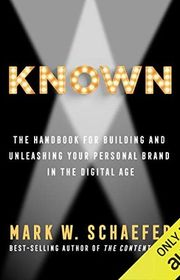
KNOWN
For readers who have expertise but little public recognition. Schaefer concentrates on finding a position, sharing useful content and developing an audience over time, though the approach requires sustained publishing and adaptation as digital channels change.
What it's about
Mark Schaefer examines how people become recognized for their work in a digital environment. Examples and a practical framework connect expertise, positioning, consistent content and audience development, encouraging readers to make their professional value visible over time.

Personal Branding For Dummies
For readers who want a broad workbook-style introduction covering professional identity across several channels. Chritton helps organize the many pieces in one place, though the breadth requires selecting relevant exercises rather than treating every activity as equally necessary.
What it's about
Susan Chritton guides readers through defining and communicating a professional identity. Exercises address strengths, target audiences, positioning, storytelling, visual presentation, networking, and online communication, with advice for maintaining a consistent reputation through career transitions.

For professionals changing direction who need others to recognize a new set of strengths. Clark connects reinvention with evidence, relationships and communication, though changing an established reputation takes sustained action beyond completing the book's exercises.
What it's about
Dorie Clark offers a practical guide to professional reinvention and personal branding. Stories, interviews, and examples help readers assess their strengths, define a new direction, communicate their value, and build a reputation that supports the next stage of their careers.
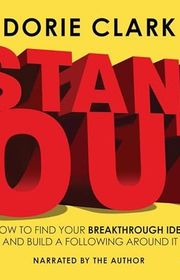
Stand Out
For professionals who want to become associated with a distinctive idea rather than simply increase visibility. Clark connects developing expertise with building an audience, though the examples of established thinkers can make the route seem more orderly than real careers.
What it's about
Dorie Clark explores how people develop distinctive ideas and build recognition around them. Interviews and examples address finding an expert niche, combining perspectives, communicating ideas and drawing on networks to create an audience for meaningful professional contributions.

For readers who specifically want to work with brands as a social-media creator. Hennessy explains the commercial side of partnerships more directly than the career guides, though platform details and industry practices can age quickly.
What it's about
Brittany Hennessy explains the business of becoming a social media influencer. Advice covers audience growth, engaging content, brand positioning, company pitches, pricing, representation, and campaign reporting, with attention to managing partnerships and maintaining a recognizable personal identity.

For readers who need to clarify whom they serve before promoting themselves. Godin's emphasis on empathy, trust and a specific audience offers a strategic foundation, though the reflective principles provide fewer concrete personal-branding exercises than the dedicated guides.
What it's about
Seth Godin presents marketing as understanding and serving a specific audience rather than pursuing attention indiscriminately. He explores empathy, positioning, trust, and storytelling, arguing that helping people solve problems creates more meaningful connections with customers.

You Are The Brand
For consultants and creators building a business around their expertise. Kim connects personal positioning with offers and partnerships, though the entrepreneurial focus is less suited to readers who mainly want recognition or progression within an existing organization.
What it's about
Mike Kim presents an eight-step approach to building a business around personal expertise, ideas, reputation, and personality. Chapters connect brand identity with market positioning, offer development, truthful marketing, and partnerships, supported by templates and sample promotional materials.

For entrepreneurs interested in connecting personal strengths with a more deliberate public identity. Bull's entertainment-industry perspective gives branding a distinctive strategic frame, though the examples of prominent figures may feel distant from ordinary workplace reputation-building.
What it's about
Laura Bull combines branding strategy and positive psychology to help individuals develop an authentic public identity. Her Brand Matrix, exercises, and examples from entertainment and politics explore how entrepreneurs and public figures can translate personal strengths into influential brands.
Sources
- 1
Read these 5 books to build a stronger personal brand
fastcompany.com
- 2
The Best Personal Branding Books to Read
therefinedimage.com
- 3
Personal Branding Books
goodreads.com
- 4
11 Best Personal Branding Books To Build Authority And Win Clients
bluelinks.agency
- 5
10 personal branding books to elevate your career
knowledgeenthusiast.com
- 6
The best personal branding books of all time (chosen by personal branding authors)
bookdna.com






Edited by
Software engineer whose passion for tracking book recommendations from podcasts inspired the creation of MRB.
Lead investor at 3one4 Capital whose startup expertise and love for books helped shape MRB and its growth.
Comments
Spotted a missing book, a wrong order or a mistake? Tell us and we'll fix this page.
We're a reading guide, not the author or publisher, so we can't send books or pass on messages.