
20 Best Illustration Books
The best illustration books, ranked by how many expert sources recommend each one, with notes on drawing skills, visual storytelling, and creative careers.
Our take
Illustration combines drawing, ideas, and communication. A useful book might teach you to construct a figure, organize a page, invent a believable scene, or understand how commissioned work happens. Those are different needs, so a beginner looking for exercises and an experienced artist preparing a portfolio may get more from entirely different books.
Picture This makes the effects of composition easy to examine, while Creative Illustration connects several foundations in a broader course. Figure Drawing for All It's Worth concentrates on people. For painting decisions, Color and Light explains observed effects, and Imaginative Realism shows how reference can support invented subjects. Framed Ink is useful when staging and storytelling matter most. The career guides, including How To Be An Illustrator and Becoming a Successful Illustrator, address portfolios and professional relationships instead of drawing technique. If regular practice is the immediate problem, 365 Days of Art offers smaller prompts. Start with the part of your work that currently feels least clear.
20 books · 9 sources · Last updated
As an Amazon Associate, we earn from qualifying purchases (at no extra cost to you).
How to choose from this list
Skip to the full rankingIf you want clearer compositions: Picture This → Framed Ink
If you're building technical foundations: Figure Drawing for All It's Worth → Creative Illustration
If you want believable painted scenes: Color and Light → Imaginative Realism
If you want professional illustration work: How To Be An Illustrator → Becoming a Successful Illustrator
If you want to illustrate for children: Illustrating Children's Books
If you need a regular creative habit: 365 Days of Art → Show Your Work!
The 20 books, ranked
Ranked by how many expert sources name each book. Ties go to the book more people recommend.

For illustrators who want to understand why lighting and color choices work. Its focused explanations bridge observation and painting more directly than the career guides, though applying them still requires experiments with your own materials.
What it's about
James Gurney connects artistic observation with explanations of color and light for realist painters. Illustrated discussions examine how illumination reveals form, how pigments behave, and how atmospheric effects influence a scene, helping artists translate visual experience into painting.

How To Be An Illustrator
For artists ready to seek paid illustration work. Its attention to portfolios, clients, and professional routines fills the gap left by drawing manuals, though older examples of fees and promotion need to be read in context.
What it's about
Darrel Rees explains the practical work of starting and sustaining an illustration career. Guidance covers portfolios, clients, contracts, studios, self-promotion, agents, time, and money, with interviews offering perspectives from both working illustrators and the art directors who commission them.
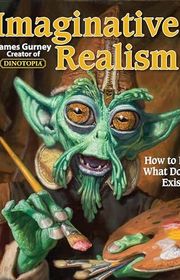
Imaginative Realism: How to Paint What Doesn't Exist
For artists who want invented subjects to feel believable. Its use of observation, reference, and physical models connects imagination with practical painting methods, though it assumes more drawing confidence than the beginner exercise books.
What it's about
James Gurney describes how he builds convincing paintings of imagined subjects through research, sketches, models, and observed light. Examples show how artists combine real references with invented creatures, architecture, and settings to develop finished illustrations.

For readers feeling blocked by the pressure to be completely original. Its compact advice makes creative habits approachable, but it offers encouragement and perspective rather than the technical instruction found in the drawing books here.
What it's about
Austin Kleon offers ten lessons for developing a creative practice, beginning with learning from influences. His illustrated guide encourages making things, pursuing side projects, sharing work, and shaping a distinctive voice through everyday habits.
Also recommended by
1 person Chase Jarvis recommended this book
Chase Jarvis
"Super small, fast read." - Chase Jarvis
Chase Jarvis's recommendation of this book

For illustrators who want images to communicate more clearly. The simple shapes make composition and emotional effects easier to see than in detailed painting examples, though it offers little instruction in rendering or professional practice.
What it's about
Molly Bang explains how pictures communicate emotion by changing the colors, shapes, and arrangements of simple visual elements. Using Little Red Riding Hood as an example, she demonstrates how composition can create drama, tension, and meaning within an image.

For artists who make regularly but hesitate to share their process. Its brief suggestions offer an accessible approach to finding an audience, though it is a general creative guide rather than an illustration marketing manual.
What it's about
Austin Kleon explains how sharing the process behind creative work can help build an audience. His ten-part guide covers storytelling, teaching, regular sharing, and handling the difficulties of putting work into public view.
Also recommended by
3 people Derek Sivers recommended this book
Derek Sivers
Derek Sivers recommended this book in the "Tools of Titans" book.
Derek Sivers's recommendation of this book - Chase Jarvis recommended this book
Chase Jarvis
Chase Jarvis mentioned this book on "The Tim Ferriss Show" podcast.
Chase Jarvis's recommendation of this book  Ali Abdaal recommended this book
Ali Abdaal
"Completely changed the way I thought about sharing stuff online." - Ali Abdaal
Ali Abdaal's recommendation of this book
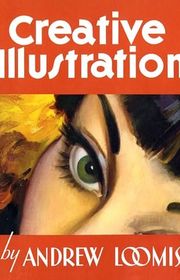
Creative Illustration
For artists ready to connect drawing skills with making a complete illustration. Its broad treatment of image construction and ideas goes further than a subject workbook, though its commercial examples and presentation reflect another era.
What it's about
Andrew Loomis examines the construction of illustrations through line, tone, color, storytelling, and idea development. His drawings and commentary connect technical decisions with visual communication, exploring how artists plan images and develop them into finished work.

Figure Drawing for All It's Worth
For illustrators who need a structured foundation for drawing people. Loomis connects construction, proportion, and pose more thoroughly than the broad inspiration books, though the period examples and sustained exercises require patience and adaptation.
What it's about
Andrew Loomis develops figure-drawing instruction from anatomy and basic forms to poses, movement, and finished rendering. Illustrated sections cover perspective, balance, rhythm, lighting, and clothing, showing how to construct convincing human figures in different positions.

The Animator's Survival Kit
For illustrators interested in movement, sequential images, or crossing into animation. Its close analysis of weight and action goes beyond still-image manuals, but much of the detailed timing instruction matters less for a single finished illustration.
What it's about
Richard Williams presents the underlying principles of animation through illustrated lessons drawn from his master classes. The manual explains how to create convincing movement across animation methods, with guidance on difficult subjects such as animal action and using live-action reference.

Thinking Visually for Illustrators
For students who want to turn ideas into a personal visual language. Its varied examples and discussion broaden the possibilities beyond drawing technique, though readers seeking a single step-by-step method may find the approach diffuse.
What it's about
Mark Wigan explores visual thinking through artwork and commentary from illustrators, students, graduates, and educators. The book examines how artists develop personal visual languages, connecting ideas, experimentation, techniques, and working processes with approaches to illustration in digital contexts.

For readers who need a small creative task to get started each day. The varied prompts make regular practice less intimidating than a formal manual, though the activities are broader than training for professional illustration.
What it's about
Lorna Scobie offers a creative activity for every day of the year in this illustrated journal. Prompts range from simple shapes and lines to observation, coloring, and painting, encouraging readers to explore art through regular practice and personal reflection.

Becoming a Successful Illustrator
For illustration students who want creative practice connected to professional work. The case studies offer more varied career perspectives than a technique manual, though some advice on promotion and finding clients reflects its publication period.
What it's about
Derek Brazell and Jo Davies connect creative illustration practice with the business skills needed to work professionally. Case studies and advice from illustrators explore finding clients, creating promotional materials, and establishing a career, supported by examples of professional artwork.

For illustrators who want stronger staging and clearer visual narratives. Its black-and-white examples isolate value and composition more directly than colorful art surveys, though the cinematic approach offers less instruction in color or finished painting.
What it's about
Marcos Mateu-Mestre explains using drawing and composition to communicate a story's mood and action. Lessons move from single images to continuous sequences, examining shot choices, settings, character expression, and the visual development of illustrated narratives.

For beginners and teachers who want drawing exercises with visible steps. Its approachable progression from shapes to finished subjects is easy to follow, though copying examples provides less help with developing an independent visual language.
What it's about
Catherine Holmes breaks drawing into simple shapes that develop into more complex illustrations. Guided exercises teach readers to recognize line, shape, and space in everyday objects, with subjects ranging from faces to holiday and tattoo designs.

For artists interested in matching images to stories for younger readers. Its publication-focused examples address a more specific goal than general drawing guides, though older industry details need checking against current submission and commissioning practices.
What it's about
Martin Salisbury explains how illustrators develop pictures for children's books, matching visual approaches to stories and different age groups. Step-by-step sketches and examples explore techniques across fantasy, fairy tales, realism, and nature, following ideas toward finished artwork.

The Addictive Sketcher
For artists who want to draw more often from observation. Its energetic examples encourage a responsive sketching practice rather than polished perfection, though readers wanting a systematic foundation may prefer a more structured drawing course.
What it's about
Adebanji Alade shares his approach to sketching through examples of drawings and finished paintings. The book explores pencils, colored pencils, charcoal, and graphite, showing how sketches can capture subjects and provide the energy and immediacy that carry into other artwork.

Fifty Years of Illustration
For readers seeking historical context and a wider range of visual influences. Its decade-by-decade survey connects illustration with cultural change, but it is a source of perspective and examples rather than practical drawing instruction.
What it's about
Lawrence Zeegen and Caroline Roberts survey contemporary illustration from the 1960s into the early twenty-first century. Essays, artist profiles, and artwork connect changing styles and techniques with the political, social, cultural, and technological conditions shaping each decade.

Fundamentals of Character Design
How to Create Engaging Characters for Illustration, Animation & Visual Development
For artists designing characters whose shapes, expressions, and costumes need to tell a story. The range of professional approaches provides useful alternatives to one fixed style, though it gives less attention to client work and business.
What it's about
This illustrated guide brings together professional approaches to designing characters for illustration, animation, and visual development. Topics include shape, proportion, exaggeration, anatomy, gesture, expression, and costume, with examples showing how narrative and relationships help give characters distinct identities.

For beginners who want a focused introduction to drawing flowers and plants. The approachable steps make one subject manageable, but the decorative emphasis offers less depth in botanical accuracy or general illustration principles.
What it's about
Alli Koch introduces floral drawing through step-by-step lessons for beginners. The guide explains tools, flower anatomy, basic shapes, and sources of inspiration, then demonstrates how to draw familiar flowers alongside succulents and cacti in a contemporary illustrative style.

For readers who want a broad visual survey of contemporary illustrators and working styles. The artist profiles provide more stylistic variety than the instructional books, though looking through examples will not replace deliberate technical practice.
What it's about
Compiled by Angus Hyland, this survey presents contemporary illustration from around the world across varied styles, techniques, and subjects. Each artist's work appears alongside a self-portrait and profile, exploring creative influences, working approaches, and the development of an illustration career.
Sources
- 1
The best illustration books for artists
creativebloq.com
- 2
Books and Tools I Recommend
howardlyon.com
- 3
Illustration Books
goodreads.com
- 4
What art books do you recommend?
reddit.com
- 5
Looking for book recommendations
reddit.com
- 6
7 essential books for illustrators
marloesdevries.com
- 7
10 Books on Illustration Every Artist Should Read
parblo.com
- 8
12 Best Illustration And Digital Art Books
zekagraphic.com
- 9
Best Design books
compassofdesign.com


Edited by
Software engineer whose passion for tracking book recommendations from podcasts inspired the creation of MRB.
Lead investor at 3one4 Capital whose startup expertise and love for books helped shape MRB and its growth.
Comments
Spotted a missing book, a wrong order or a mistake? Tell us and we'll fix this page.
We're a reading guide, not the author or publisher, so we can't send books or pass on messages.