
8 Best PCOS Books
The best PCOS books, ranked by how many expert sources recommend each one, with notes on who they suit, their approach, and where to begin reading.
Our take
PCOS books can help you understand a diagnosis, prepare questions for appointments, or find a more manageable way to organize daily routines. Some concentrate on food and insulin resistance. Others give more attention to treatment choices, body image, stress, and the experience of living with symptoms. A useful starting point depends on which of those questions you need answered first.
The PCOS Workbook combines physical and emotional concerns with activities you can work through. A Patient's Guide to PCOS offers a broader medical overview, while The PCOS Diet Plan concentrates on nutrition and activity. The books also differ in how strongly they prescribe a particular diet. Restrictive plans and promises of reversal deserve careful reading: no single diet has been established as best for everyone with PCOS. Older treatment information needs checking against current clinical advice. Start with The PCOS Workbook for a balanced set of questions and practical reflections.
8 books · 7 sources · Last updated
As an Amazon Associate, we earn from qualifying purchases (at no extra cost to you).
How to choose from this list
Skip to the full rankingIf you want a broad starting point: The PCOS Workbook → A Patient's Guide to PCOS
If you want nutrition and meal ideas: The PCOS Diet Plan → The PCOS Nutrition Center Cookbook
If you want structured self-care exercises: The PCOS Workbook → Healing PCOS
The 8 books, ranked
Ranked by how many expert sources name each book. Ties go to the book more people recommend.

The PCOS Diet Book
How you can use the Nutritional Approach to Deal with Polycystic Ovary Syndrome
For readers interested in an accessible, food-centered account informed by lived experience. It includes emotional concerns alongside nutrition, but its older dietary and supplement advice needs more scrutiny than its everyday coping suggestions.
What it's about
Colette Harris presents a nutritional approach to living with polycystic ovary syndrome. Her guide discusses food choices, hormonal health, and concerns including weight, skin, fertility, fatigue, and mood, alongside attention to the emotional experience of PCOS.

For readers who prefer exercises and reflection to a prescriptive diet. Its attention to body image, stress, and physical health offers a broader starting point, though completing the activities takes more effort than reading straight through.
What it's about
Angela Grassi and Stephanie Mattei combine explanations of PCOS with questionnaires, exercises, and step-by-step guidance. The workbook addresses eating, activity, medical treatment, stress, body image, and coping with infertility, considering both physical and emotional experiences of the condition.

A Patient's Guide to PCOS
Understanding--and Reversing--Polycystic Ovary Syndrome
For readers preparing questions about diagnosis, symptoms, and treatment options. Its broad medical overview gives more context than a diet plan, but the older treatment discussion needs checking against current guidance with your clinician.
What it's about
Walter Futterweit and George Ryan explain PCOS, its effects, and the process of seeking a diagnosis. Their guide discusses treatment options, nutrition, exercise, fertility, skin and hair concerns, and the emotional impact of living with the condition.

The PCOS Diet Plan
A Natural Approach to Health for Women with Polycystic Ovary Syndrome
For readers who want a dietitian's practical approach to food choices and activity. The meal plans and tracking tools offer structure, though its nutrition focus leaves less room for the emotional experience of PCOS.
What it's about
Hillary Wright discusses diet and exercise in relation to polycystic ovary syndrome. This updated guide includes meal plans, information on nutrition and physical activity, and tools for logging food and fitness, presenting her approach to managing the condition.
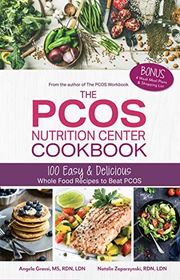
The PCOS Nutrition Center Cookbook
For readers who want recipes and shopping support rather than another lengthy explanation of PCOS. Its meal plans make it a practical kitchen companion, though it offers less help with diagnosis or medical treatment decisions.
What it's about
Angela Grassi and Natalie Zaparzynski combine an introduction to nutrition for PCOS with one hundred whole-food recipes. Four weeks of meal plans and shopping lists help readers organize meals and put the book's food ideas into practice.

The PCOS Plan
Prevent and Reverse Polycystic Ovary Syndrome through Diet and Fasting
For readers critically exploring the authors' insulin-focused approach to PCOS. Its fasting and dietary protocols are more restrictive than the workbooks here; their promises of reversal should not be treated as established treatment guidance.
What it's about
Fung and Nadia Brito Pateguana discuss polycystic ovary syndrome through their emphasis on insulin and metabolic health. They propose dietary changes and intermittent fasting, combining their explanations with recipes and meal plans intended to support their approach.

Healing PCOS
A 21-Day Plan for Reclaiming Your Health and Life with Polycystic Ovary Syndrome
For readers who want encouragement and a schedule for everyday self-care. Journaling and lifestyle exercises give it a coaching emphasis, though the twenty-one-day format should not be mistaken for a timetable to cure PCOS.
What it's about
Amy Medling presents a twenty-one-day lifestyle program for women living with PCOS. Meal plans, recipes, preparation tips, movement, and self-care exercises combine with meditation and journaling prompts in her approach to managing daily routines and symptoms.

What to Do When the Doctor Says It's PCOS
Put an End to Irregular Cycles, Infertility, Weight Gain, Acne, and Unsightly Hair Growth
For readers comparing older nutritional approaches with conventional PCOS care. It addresses a wide range of symptoms in one place, but its alternative-treatment emphasis makes it less suitable as a first or current medical reference.
What it's about
Milton Hammerly and Cheryl Kimball discuss PCOS and symptoms including irregular cycles, infertility, weight changes, acne, and hair growth. Their guide presents a diet and nutritional program intended as an alternative or supplement to conventional treatment approaches.
Sources
- 1
Pcos Books
goodreads.com
- 2
Best PCOS Books: What Each One Gets Right, and Who It Is Wrong For
pcosguides.com
- 3
PCOS Books: Top Picks to Manage Your Symptoms Effectively: What You Need to Know
app.pcosmealplanner.com
- 4
PCOS Resources for a Healthier You
youngwomenshealth.org
- 5
PCOS book recommendations?
reddit.com
- 6
Five Books To Help You Kick PCOS In The Teeth!
amreading.com
- 7
Episode 51: PCOS Nutrition with Angela Grassi
dietitianconnection.com



Edited by
Software engineer whose passion for tracking book recommendations from podcasts inspired the creation of MRB.
Lead investor at 3one4 Capital whose startup expertise and love for books helped shape MRB and its growth.
Comments
Spotted a missing book, a wrong order or a mistake? Tell us and we'll fix this page.
We're a reading guide, not the author or publisher, so we can't send books or pass on messages.