
14 Best OCD Books
The best OCD books, ranked by how many expert sources recommend each one, with notes for choosing workbooks, focused guides, memoirs, and family support.
Our take
Books about obsessive-compulsive disorder can explain intrusive thoughts and rituals, introduce therapeutic approaches, or describe what living with OCD feels like. The choices here include structured workbooks, focused guides to checking and reassurance, accounts of lived experience, and books for relatives. Their different purposes matter: a personal story offers something different from a sequence of exercises, even when both discuss similar experiences.
Getting Over OCD provides an ordered workbook format, while Freedom from Obsessive Compulsive Disorder gives more space to uncertainty and exposure-based work. Overcoming Unwanted Intrusive Thoughts and Needing to Know for Sure focus on particular patterns. Family members have their own starting points in When a Family Member Has OCD and Breaking Free of Child Anxiety and OCD. For a more personal perspective, try Is Fred in the Refrigerator?. Start with the book that matches the question you want answered, whether that is understanding an experience, following structured exercises, or supporting someone close to you.
14 books · 9 sources · Last updated
As an Amazon Associate, we earn from qualifying purchases (at no extra cost to you).
How to choose from this list
Skip to the full rankingIf you want structured exercises: Getting Over OCD → The OCD Workbook
If you want to explore uncertainty: Freedom from Obsessive Compulsive Disorder
If intrusive thoughts are your main question: Overcoming Unwanted Intrusive Thoughts → The Imp of the Mind
If checking and reassurance dominate: Needing to Know for Sure
If you want to support a relative: When a Family Member Has OCD → Breaking Free of Child Anxiety and OCD
If you prefer lived experience: Is Fred in the Refrigerator?
The 14 books, ranked
Ranked by how many expert sources name each book. Ties go to the book more people recommend.

Freedom from Obsessive Compulsive Disorder
A Personalized Recovery Program for Living with Uncertainty
For readers ready for a detailed examination of uncertainty and exposure-based work. Its individualized planning tools offer depth beyond a short overview, though the length and demanding exercises require sustained attention rather than passive reading.
What it's about
Jonathan Grayson presents a personalized approach to understanding OCD and working with uncertainty. Self-assessments, case studies, exposure-based exercises, and planning tools help readers examine their own patterns and develop strategies for addressing fears, compulsions, and obstacles during treatment.

For readers whose distress centers on unwanted thoughts and the shame surrounding them. Baer's clinical examples make a difficult subject easier to recognize and discuss, though the case-based approach is less structured than a step-by-step workbook.
What it's about
Lee Baer explores unwanted obsessive thoughts and the fear, guilt, and worry they can produce. Drawing on clinical experience and research, he examines why such thoughts become distressing, how they differ from dangerous intentions, and approaches used to address them.

The Mindfulness Workbook for OCD
A Guide to Overcoming Obsessions and Compulsions Using Mindfulness and Cognitive Behavioral Therapy
For readers who want mindfulness integrated with structured cognitive behavioral exercises. Its attention to responding differently to thoughts adds a useful perspective, though the exercises require practice and mindfulness can be misunderstood as a way to eliminate discomfort.
What it's about
Jon Hershfield and Tom Corboy combine mindfulness with cognitive behavioral techniques in a workbook for OCD. Exercises encourage awareness of the present moment and a different relationship with intrusive thoughts, while discussions address the compulsive urges and interpretations that accompany them.

For readers who like a memorable framework supported by patient stories. Its four-step vocabulary makes responses to obsessive urges easier to discuss, though the strong brain-based framing offers a different emphasis from the exposure-focused workbooks here.
What it's about
Jeffrey M. Schwartz and Beverly Beyette explain a four-step approach to obsessive-compulsive behavior through patient stories and cognitive exercises. The book examines identifying obsessive thoughts, redirecting attention, and changing habitual responses to compulsive urges.
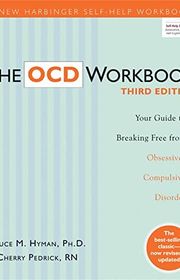
The OCD Workbook: Your Guide to Breaking Free from Obsessive-Compulsive Disorder
For readers who want a broad workbook with assessments, planning tools, and exercises in one place. Its coverage makes it a useful reference alongside more focused books, though the amount of material requires selecting and practicing relevant sections.
What it's about
Bruce M. Hyman and Cherlene Pedrick explain obsessive thoughts and compulsive behaviors through a self-directed workbook. Assessments, examples, and cognitive behavioral exercises help readers examine their patterns, plan responses, and consider how OCD affects daily life and family relationships.

Tormenting Thoughts and Secret Rituals
The Hidden Epidemic of Obsessive-Compulsive Disorder
For readers seeking a broad, human account of OCD before choosing a workbook. Osborn combines professional knowledge with lived experience, though the historical treatment context makes it more useful for understanding the condition than surveying current clinical options.
What it's about
Ian Osborn combines clinical knowledge and personal experience in an account of OCD's symptoms, diagnosis, and treatment. Case histories illustrate different obsessions and rituals, while discussions of therapy, medication, childhood signs, and family support introduce the disorder's wider effects.

For readers who prefer a clearly ordered workbook. Its ten-step structure connects assessment with practical exercises and progress planning, though using it takes repeated written work and active practice rather than simply understanding the explanations.
What it's about
Jonathan Abramowitz presents a ten-step workbook grounded in cognitive behavioral therapy for OCD. Stories, assessments, and practical exercises help readers understand their symptoms, develop a personalized plan, confront avoided situations, and work toward changing compulsive responses to intrusive thoughts.

Overcoming Unwanted Intrusive Thoughts
A CBT-Based Guide to Getting Over Frightening, Obsessive, or Disturbing Thoughts
For readers especially troubled by the meaning of frightening thoughts. Its clear focus on how reactions can maintain distress makes it approachable, though it covers a narrower problem than books addressing the full range of OCD patterns.
What it's about
Sally Winston and Martin Seif explain why unwanted intrusive thoughts become frightening and difficult to dismiss. Cognitive behavioral tools address the anxiety and shame surrounding these experiences, helping readers examine how their reactions can keep distressing thoughts feeling significant.

For parents who want to examine their own responses to a child's anxiety or OCD. The parent-focused structure gives adults a defined role, though it requires consistent changes at home and is not a workbook written for children.
What it's about
Eli Lebowitz presents the SPACE program for parents of children with anxiety and OCD. Step-by-step guidance examines accommodating behaviors and supportive responses, showing how parents can acknowledge a child's difficulties while expressing confidence in their ability to cope.

For readers who want brief practices and a less solemn companion to structured OCD work. The mix of humor, compassion, and everyday exercises feels approachable, though it offers less of a sequential treatment plan than the larger workbooks.
What it's about
Jon Hershfield and Shala Nicely introduce mindfulness, self-compassion, and humor as everyday tools for living with OCD. Meditations, exercises, and practical games accompany discussions of managing symptoms and preventing relapse while making room for enjoyment beyond the disorder.
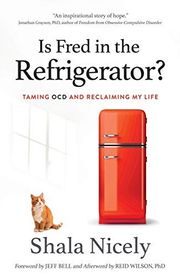
Is Fred in the Refrigerator?: Taming OCD and Reclaiming My Life
For readers who want lived experience alongside the clinical guides. Nicely's perspective as both a person with OCD and a therapist gives the memoir particular depth, though one individual's path cannot serve as a universal treatment plan.
What it's about
Shala Nicely recounts living with OCD from childhood into adulthood and her efforts to understand and address it. Her memoir explores secrecy, relationships, and treatment, connecting personal experience with the perspective she later brings to her work as a therapist.

Needing to Know for Sure
A CBT-Based Guide to Overcoming Compulsive Checking and Reassurance Seeking
For readers caught in repeated checking or requests for reassurance. Its close attention to the search for certainty gives that pattern more space than a general OCD introduction, though it is less comprehensive for other symptoms.
What it's about
Martin Seif and Sally Winston examine the cycle of compulsive checking and reassurance seeking. Cognitive behavioral strategies help readers distinguish information gathering from repeated demands for certainty, tolerate doubt, and change habits that can reinforce anxiety and undermine confidence.

Overcoming Obsessive Compulsive Disorder
A Self-help Guide Using Cognitive Behavioural Techniques
For readers who want an accessible self-help guide grounded in cognitive behavioral techniques. Its practical explanations link intrusive thoughts with ritualized responses, though working through feared situations takes more commitment than the straightforward presentation might suggest.
What it's about
David Veale and Rob Willson explain OCD through a self-help approach based on cognitive behavioral therapy. The guide examines disturbing thoughts, images, urges, and rituals, with practical strategies for facing feared situations and changing patterns of obsessive behavior.

When a Family Member Has OCD
For relatives who want to offer support without letting OCD organize every interaction. Its attention to communication and family responses fills a gap in individual workbooks, though applying the ideas requires cooperation and careful attention to each relationship.
What it's about
Jon Hershfield explains how OCD affects family relationships and household routines. Guidance on mindfulness, cognitive behavioral skills, and compassionate communication helps relatives understand symptoms and consider their responses to compulsions, obsessions, and repeated requests for reassurance.
Sources
- 1
Recommended Reading - Center for OCD and Related Disorders
mghocd.org
- 2
The Best Books on OCD - Impulse
impulsetherapy.com
- 3
15 Best OCD Books
choosingtherapy.com
- 4
OCD Books - OCD Center of Los Angeles
ocdla.com
- 5
Our Favorite Reads – OCD South Carolina
ocdsc.org
- 6
book recommendations for 'pure-o' ocd? : r/OCDRecovery
reddit.com
- 7
Any good book recommendations about ocd? : r/OCD
reddit.com
- 8
RECOMMENDED READING – OCD Louisiana
ocdlouisiana.org
- 9
OCD Books Recommended by a Psychiatrist – NowPsych | In-Person and Online Psychiatry
nowpsych.com




Edited by
Software engineer whose passion for tracking book recommendations from podcasts inspired the creation of MRB.
Lead investor at 3one4 Capital whose startup expertise and love for books helped shape MRB and its growth.
Comments
Spotted a missing book, a wrong order or a mistake? Tell us and we'll fix this page.
We're a reading guide, not the author or publisher, so we can't send books or pass on messages.