
12 Best Ocean Books
The best ocean books, ranked by how many expert sources recommend each one, with notes on who each book suits and where to begin exploring marine worlds.
Our take
Ocean books can take you into animal lives, the history of exploration, the workings of the sea, or the human systems that put pressure on it. This selection focuses on nonfiction for general readers. Some authors build a broad scientific picture; others follow one species, one place, or an investigation. Choose according to whether you want wonder, explanation, adventure, or a clearer view of environmental problems.
The Sea Around Us is a lyrical starting point for the wider ocean, while The Brilliant Abyss concentrates on life far below the surface. The Soul of an Octopus offers personal encounters with an unusual animal, and Other Minds turns toward questions about consciousness. For people and institutions, try The Outlaw Ocean or War of the Whales. The Reef supplies a regional history, and The Secret Life of Lobsters gives a smaller, lively window into science and livelihoods. Start with the scale that interests you most.
12 books · 8 sources · Last updated
As an Amazon Associate, we earn from qualifying purchases (at no extra cost to you).
How to choose from this list
Skip to the full rankingIf you want a broad natural history: The Sea Around Us → The Brilliant Abyss
If you're curious about animal minds: The Soul of an Octopus → Other Minds
If you want exploration and adventure: Deep → The Silent World
If you want ocean conservation in depth: Song for the Blue Ocean → The Unnatural History of the Sea
If you want investigative reporting: The Outlaw Ocean → War of the Whales
If you want a focused place or species: The Reef → The Secret Life of Lobsters
The 12 books, ranked
Ranked by how many expert sources name each book. Ties go to the book more people recommend.
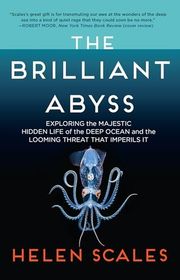
The Brilliant Abyss: Exploring the Majestic Hidden Life of the Deep Ocean, and the Looming Threat That Imperils It
For readers who want unfamiliar deep-sea life connected with its larger importance. Scales balances biological discovery with human pressures on the depths, though the growing environmental argument makes it more than a purely escapist exploration.
What it's about
Helen Scales explores the ecosystems of the deep ocean, the organisms that thrive there, and their connections with life nearer the surface. She also examines the pressures that commercial activity and environmental change place on these largely unseen habitats.

For readers who want philosophical questions grounded in encounters with marine animals. Godfrey-Smith links octopus lives with the evolution of experience, though the discussion of consciousness requires more abstraction than a straightforward natural history.
What it's about
Peter Godfrey-Smith combines observations of octopuses and other sea creatures with philosophy and evolutionary history. Exploring how nervous systems and subjective experience developed, he considers what cephalopod intelligence can reveal about minds radically different from our own.
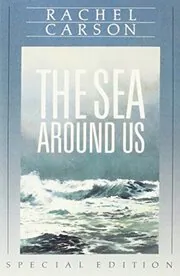
The Sea Around Us
For readers who want ocean science expressed through vivid, measured prose. Carson connects vast processes with a strong sense of wonder, though the older scientific context needs supplementing when you want the latest understanding.
What it's about
This sweeping ocean portrait moves from the birth of the seas to currents, tides, storms, and life in the deep. Carson makes big science feel intimate, strange, and full of movement.

For readers who want exploration and unusual scientific questions carried by a personal journey. Nestor makes the ocean's extremes feel immediate, though the speculative edges and adventure focus offer less systematic coverage than a general science book.
What it's about
After seeing elite freedivers plunge deep on a single breath, Nestor follows divers, scientists, and explorers into the ocean's extremes. The result is part adventure story, part science reporting, all driven by one question: what can the sea teach us about ourselves?
Also recommended by
1 person M. Sanjayan recommended this book
M. Sanjayan
"Pretty damn good. It’s about free diving, which I knew nothing about." - M. Sanjayan
M. Sanjayan's recommendation of this book

For readers who connect with animals through individual encounters. Montgomery makes octopus behavior emotionally engaging, though the personal storytelling and aquarium emphasis give it a different purpose from a detached scientific account.
What it's about
Sy Montgomery explores octopus intelligence through encounters in aquariums and the ocean. Blending personal relationships with scientific observation, she considers their distinctive personalities, problem-solving abilities, and what connections across species suggest about consciousness.
Also recommended by
1 person Barry Ritholtz recommended this book
Barry Ritholtz
"I loved this book." - Barry Ritholtz
Barry Ritholtz's recommendation of this book

For readers who want conservation questions grounded in people and places. Safina links marine life with livelihoods and political choices, though the expansive reporting and older events demand more commitment than a short ocean introduction.
What it's about
Carl Safina travels through coasts, islands, reefs, and fishing communities to examine the relationship between ocean life and human survival. His account combines personal encounters, science, and political analysis of pressures on the seas.

For readers interested in the human world beyond the shoreline. Urbina makes distant maritime systems concrete through investigative reporting, though exploitation and violence dominate the experience rather than the natural beauty of the sea.
What it's about
Ian Urbina investigates the people and activities hidden beyond shore, where weak oversight enables exploitation and crime. Reporting from international waters follows fishing crews, smugglers, activists, and other seafarers, connecting distant maritime abuses with life on land.

For readers who prefer environmental history told through encounters and changing perceptions. McCalman gives one reef cultural depth, though the regional concentration offers less general marine science than a broad ocean survey.
What it's about
Iain McCalman traces changing perceptions of the Great Barrier Reef through twelve historical encounters. Explorers, Indigenous communities, scientists, artists, and campaigners shape this account of how feared waters became a celebrated ecosystem facing exploitation and environmental threats.

The Secret Life of Lobsters
How Fishermen and Scientists Are Unraveling the Mysteries of Our Favorite Crustacean
For readers who want a lively close-up of one animal and the people who depend on it. Corson joins behavior with fishing livelihoods, though the Maine focus makes it a specialized window rather than a general ocean overview.
What it's about
Trevor Corson follows Maine fishermen and biologists studying the undersea lives of lobsters. Drawing on his experience aboard a fishing boat, he connects scientific investigations of lobster behavior with the livelihoods and conservation questions surrounding the fishery.

The Silent World
The International Bestseller by the Father of Underwater Exploration
For readers curious about the early experience of underwater exploration. Cousteau's firsthand account captures the excitement of entering an unfamiliar world, though the period equipment and attitudes make it historical reading rather than a modern diving guide.
What it's about
Jacques Cousteau recounts his early underwater explorations, experiments with diving equipment, and wartime experiences. Encounters with marine animals and sunken ships accompany his account of learning to move through deeper waters and observe a previously inaccessible world.

The Unnatural History of the Sea
For readers who want to understand how the seas changed before reliable modern records. Roberts uses historical accounts to challenge familiar baselines, though the sustained focus on depletion makes for a sobering, detail-heavy read.
What it's about
Callum Roberts reconstructs centuries of ocean exploitation using accounts from explorers, fishers, and travelers. He traces the depletion of marine life and examines how changes in fishing practices and protected areas could help restore the seas.

For readers who enjoy environmental investigation with legal and institutional conflict. Horwitz gives a specific conservation dispute narrative momentum, though the focus on sonar, scientists, and litigation leaves little room for a broad survey of whale biology.
What it's about
Joshua Horwitz investigates the conflict over military sonar and whale strandings, following scientists, environmental advocates, and attorney Joel Reynolds. Research and legal battles unfold against the competing demands of marine conservation and the US Navy's security priorities.
Sources
- 1
10 Incredible Books About the Ocean
explorethearchive.com
- 2
11 of the best Ocean books
oceangeneration.org
- 3
Looking for a nonfiction book about the ocean
reddit.com
- 4
Books about sea life
reddit.com
- 5
Ocean Books
goodreads.com
- 6
15 Books You Must Read If You Absolutely Love The Ocean
awesomeocean.com
- 7
The 19 Top Rated Nonfiction Ocean Books of the Past 50 Years
healthyoceanshealthypeople.org
- 8
The Best Books on Ocean Life
fivebooks.com








Edited by
Software engineer whose passion for tracking book recommendations from podcasts inspired the creation of MRB.
Lead investor at 3one4 Capital whose startup expertise and love for books helped shape MRB and its growth.
Comments
Spotted a missing book, a wrong order or a mistake? Tell us and we'll fix this page.
We're a reading guide, not the author or publisher, so we can't send books or pass on messages.