
13 Best Marine Biology Books
The best marine biology books, ranked by how many expert sources recommend each one, with notes on reader fit, textbooks, ocean life, and where to start.
Our take
Marine biology explores the organisms that live in the oceans and the relationships that sustain them. Understanding a reef, a deep-sea community, or an animal's behavior can involve chemistry, geology, evolution, and ecology alongside close observation. Books approach that variety in different ways. A broad textbook develops foundations, while photographs, field experiences, and focused studies can make particular creatures easier to notice and understand.
Marine Biology by Castro and Huber offers a course-level overview, while Levinton's Marine Biology connects function, biodiversity, and ecology in greater detail. Marine Biology by Mladenov provides a much shorter introduction. Visual books such as Citizens of the Sea and The World Beneath emphasize encounters with marine diversity. Other Minds takes a narrower path into cephalopod intelligence, and The Ocean of Life concentrates on human impacts and conservation. Start with a concise introduction for orientation, then choose a textbook for systematic study or a focused narrative for the organisms and questions that interest you most.
13 books · 6 sources · Last updated
As an Amazon Associate, we earn from qualifying purchases (at no extra cost to you).
How to choose from this list
Skip to the full rankingIf you want Mladenov's concise introduction: Marine Biology
If you want ocean processes alongside biology: Oceanography and Marine Biology
If you prefer illustrated encounters with animals: Citizens of the Sea → The World Beneath
If you're curious about cephalopod minds: The Soul of an Octopus → Other Minds
If you want conservation context: The Ocean of Life
If you're considering the profession: Becoming a Marine Biologist
The 13 books, ranked
Ranked by how many expert sources name each book. Ties go to the book more people recommend.

For students who want organismal biology connected with ecology and ocean processes. Its breadth supports sustained academic study, though the detailed textbook approach requires more biological background and commitment than the illustrated introductions here.
What it's about
Jeffrey Levinton connects the functions of marine organisms with biodiversity, ecology, and ocean processes. The textbook ranges from the open sea to coastal and deep-sea environments, and considers molecular biology, climate change, and human impacts on marine life.

For readers who prefer animal encounters and personal observation to a formal scientific overview. Montgomery makes individual octopuses memorable, though the aquarium-centered narrative and emotional interpretation should be distinguished from controlled evidence about consciousness.
What it's about
Sy Montgomery explores octopus intelligence through encounters in aquariums and the ocean. Blending personal relationships with scientific observation, she considers their distinctive personalities, problem-solving abilities, and what connections across species suggest about consciousness.
Also recommended by
1 person Barry Ritholtz recommended this book
Barry Ritholtz
"I loved this book." - Barry Ritholtz
Barry Ritholtz's recommendation of this book

For curious readers who enjoy short encounters with unusual organisms. Its photographs and varied examples make marine diversity easy to explore, though the browsing format provides less connected explanation than an introductory course text.
What it's about
Nancy Knowlton introduces the diversity of ocean life through photographs and short accounts informed by the Census of Marine Life. The book explores creatures' defenses, movements, relationships, and reproduction, revealing unusual adaptations across underwater habitats.

For newcomers who want a concise map of marine life and its environments. Its short format helps establish the main questions before deeper study, though individual organisms and processes receive less detail than in a full textbook.
What it's about
Philip Mladenov surveys marine life from microorganisms to large predators across coral reefs, polar seas, kelp forests, and the deep ocean. He also examines threats including overfishing, pollution, warming, and acidification, and considers the oceans' future.

Marine Biology
For students beginning a broad marine-biology course. Its integration of organisms, environments, and scientific foundations gives a structured overview, though the substantial textbook format is less inviting for casual reading or a single specialist interest.
What it's about
Peter Castro and Michael Huber introduce marine biology through examples from ecosystems around the world. This eleventh edition integrates biological fundamentals and physical science with the scientific method, helping students understand ocean organisms and their environments.

For students who want to understand the physical setting of marine life alongside its biology. Connecting chemistry, geology, and ocean processes gives ecology context, though the integrated scope makes it a substantial scientific introduction.
What it's about
David Townsend connects oceanography with marine biology, showing how physical, chemical, and geological processes underpin ocean life. Everyday examples introduce scientific principles within a broader account of marine ecology and the changing environment that organisms inhabit.

For readers interested in what cephalopods reveal about evolution and minds. Its combination of observation, biology, and philosophy develops questions a survey textbook may only touch, though consciousness remains an interpretive problem rather than a settled explanation.
What it's about
Peter Godfrey-Smith combines observations of octopuses and other sea creatures with philosophy and evolutionary history. Exploring how nervous systems and subjective experience developed, he considers what cephalopod intelligence can reveal about minds radically different from our own.
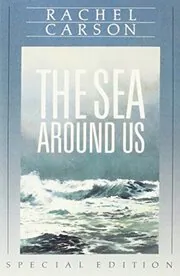
The Sea Around Us
For readers who value the history and language of ocean science. Carson connects large processes with a sense of wonder, though the original science reflects its period and benefits from the contextual material in later editions.
What it's about
This sweeping ocean portrait moves from the birth of the seas to currents, tides, storms, and life in the deep. Carson makes big science feel intimate, strange, and full of movement.

For divers and visual learners fascinated by reef inhabitants and their relationships. Smith's photographs connect small details with biological stories, though the coral-reef emphasis gives less coverage of other marine habitats and formal theory.
What it's about
Richard Smith explores coral reefs and their inhabitants through underwater photographs and accounts of marine research. From pygmy seahorses to larger ocean animals, the book examines feeding, mimicry, partnerships, and other relationships within these diverse ecosystems.

For readers who want marine science connected with human pressures and conservation choices. Its wide historical perspective gives environmental problems context, though the focus on threats makes it less suitable as a neutral introductory biology textbook.
What it's about
Callum Roberts examines humanity’s impact on the oceans through fishing, pollution, and climate change. Combining marine history with conservation science, he considers threats to sea life and measures that could help restore damaged ecosystems and fisheries.
Also recommended by
1 person Patrick Collison recommended this book
Patrick Collison
Patrick Collison labeled this book "substantially above average."
Patrick Collison's recommendation of this book

Becoming a Marine Biologist
For readers considering marine biology as a career rather than only an interest. Following one working scientist makes research life concrete, though a single career cannot represent every specialization, employer, or route into the field.
What it's about
Virginia Morell follows marine biologist Robin Baird to explore what the profession involves beyond enthusiasm for ocean animals. Fieldwork and his career story illuminate scientific research, practical obstacles, and the routes through which aspiring biologists enter the field.

For younger readers and adults who enjoy an unusual visual encounter with ocean animals. The moving images create immediate interest, though the limited selection and novelty format offer much less scientific depth than the broader references.
What it's about
Dan Kainen's moving Photicular images bring ocean creatures into apparent motion as readers turn the pages. Carol Kaufmann's accompanying text explores marine life, coral reefs, and underwater discovery, combining visual encounters with an introduction to the seas.

The Life and Love of the Sea
For readers who want to explore ocean life through photography and reflective essays. Its visual range offers an inviting browsing experience, though the emphasis on imagery and appreciation provides less systematic biology than a course text.
What it's about
Lewis Blackwell combines essays with marine and nature photography to explore humanity's relationship with the sea. Images of coastlines, reefs, islands, and ocean creatures accompany reflections on the diversity and importance of the marine world.
Sources







Edited by
Software engineer whose passion for tracking book recommendations from podcasts inspired the creation of MRB.
Lead investor at 3one4 Capital whose startup expertise and love for books helped shape MRB and its growth.
Comments
Spotted a missing book, a wrong order or a mistake? Tell us and we'll fix this page.
We're a reading guide, not the author or publisher, so we can't send books or pass on messages.