
24 Best Biohacking Books
The best biohacking books, ranked by how many expert sources recommend them, with guidance for sleep, movement, longevity research, and personal experiments.
Our take
Biohacking books connect an interest in everyday habits with attempts to measure and change physical or mental performance. The term covers a wide range, from sleep schedules and exercise to supplements and experimental longevity ideas. Those subjects do not all have the same quality of evidence, even when they appear together in one program.
Choose according to what you want to understand. The Circadian Code focuses on daily biological timing, while Becoming a Supple Leopard examines movement and mobility. Outlive takes a broad view of prevention and later-life function. More expansive books such as Boundless and Biohacker's Handbook introduce many practices, but breadth does not make every recommendation equally established.
Pay attention to the difference between human research, preliminary mechanisms, and a writer's personal experiments. A confident title cannot resolve that distinction or determine what suits an individual. Start with The Circadian Code for a focused topic, or Outlive for a wider discussion of health over time.
24 books · 9 sources · Last updated
As an Amazon Associate, we earn from qualifying purchases (at no extra cost to you).
How to choose from this list
Skip to the full rankingIf you want to understand daily biological rhythms: The Circadian Code → Why We Sleep
If you want a broad longevity discussion: Outlive → Lifespan
If you want a movement reference: Becoming a Supple Leopard → Body by Science
If you want a survey of biohacking practices: Biohacker's Handbook → Boundless
If you're curious about breathing approaches: Breath → The Oxygen Advantage
The 24 books, ranked
Ranked by how many expert sources name each book. Ties go to the book more people recommend.

For readers curious about the biological theories driving longevity research. Sinclair makes the questions engaging, though promising mechanisms and animal findings do not establish that the proposed interventions extend human lifespan.
What it's about
David Sinclair, writing with Matthew D. LaPlante, presents a theory of aging and explores research into extending healthy life. He discusses emerging technologies and lifestyle practices while arguing that aging should be understood as a potentially treatable condition.
Also recommended by
6 people Vinod Khosla recommended this book
Vinod Khosla
"Reveals incredible scientific breakthroughs about aging and ways we can slow down, or even reverse, the process." - Vinod Khosla
Vinod Khosla's recommendation of this book  Peter Diamandis recommended this book
Peter Diamandis
"Gives a host of compelling evidence to show there is no reason people born today cannot live to at least 120 in healthy condition, if not 150 and beyond." - Peter Diamandis
Peter Diamandis's recommendation of this book  Jason Fried recommended this book
Jason Fried
"Highly recommend [this book]." - Jason Fried
Jason Fried's recommendation of this book  David Friedberg recommended this book
David Friedberg
"Highlights a lot of [the author's] research and findings." - David Friedberg
David Friedberg's recommendation of this book  Blake Scholl recommended this book
Blake Scholl
"Read [this book] or check out his podcast with the same name." - Blake Scholl
Blake Scholl's recommendation of this book  Ryan Shea recommended this book
Ryan Shea
Ryan Shea recommended this book on his website.
Ryan Shea's recommendation of this book
Outlive
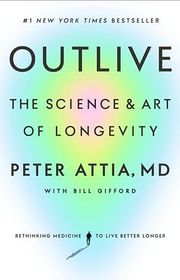
For readers who want a broader framework for thinking about prevention and later-life function. Attia connects exercise, metabolic health, and medical risk, though the individualized testing and interventions require clinical judgment rather than self-directed imitation.
What it's about
Peter Attia, writing with Bill Gifford, examines longevity through prevention, exercise, nutrition, sleep, and emotional health. He argues for addressing risks earlier and maintaining physical and cognitive function, using research and clinical experience to develop his framework.

For readers who want a wide survey of the practices associated with biohacking. Greenfield provides extensive topic coverage, though the mixture of mainstream habits, personal experiments, and speculative interventions demands careful evaluation rather than wholesale adoption.
What it's about
Ben Greenfield presents an extensive program of biohacking, nutrition, exercise, and recovery aimed at improving mind and body. Chapters discuss cognition, stress, sleep, supplementation, and aging through his proposed approach to optimizing health and performance.

The Bulletproof Diet
Lose Up to a Pound a Day, Reclaim Energy and Focus, Upgrade Your Life
For readers interested in the dietary framework that helped define Asprey's approach. The food categories make his program easy to recognize, though rapid-weight-loss claims and branded recommendations should be evaluated separately from broadly supported nutrition principles.
What it's about
Dave Asprey describes his personal biohacking experiments and the eating plan he developed from them. The book classifies foods within a dietary framework and presents his recommendations for managing weight, energy, concentration, and everyday eating habits.

For readers who want an engaging introduction to sleep research and its everyday significance. Walker connects many topics in one narrative, though some numerical claims and interpretations have been challenged and need checking rather than accepting uncritically.
What it's about
Matthew Walker examines sleep and dreaming, presenting research on their relationship with learning, emotions, and physical health. He discusses changing sleep patterns, the effects of substances such as caffeine, and the consequences of insufficient sleep.
Also recommended by
7 people Bill Gates recommended this book
Bill Gates
"Explains how neglecting sleep undercuts your creativity, problem solving, decision-making, learning, memory, heart health, brain health, mental health, emotional well-being, immune system, and even your life span." - Bill Gates
Bill Gates's recommendation of this book  Bryan Johnson recommended this book
Bryan Johnson
"Not only did I become convinced that getting high-quality sleep is the best protector and enhancer of health and cognition, but it is also the most underappreciated." - Bryan Johnson
Bryan Johnson's recommendation of this book  Keith Rabois recommended this book
Keith Rabois
Keith Rabois mentioned this book on Twitter.
Keith Rabois's recommendation of this book  Alexis Ohanian recommended this book
Alexis Ohanian
"One of the best and most important books I've read [in 2019]." - Alexis Ohanian
Alexis Ohanian's recommendation of this book - Vinod Khosla recommended this book
Vinod Khosla
"Best book on the subject [of sleep]." - Vinod Khosla
Vinod Khosla's recommendation of this book  Michael Mauboussin recommended this book
Michael Mauboussin
"[One of] my favorite science books in 2018." - Michael Mauboussin
Michael Mauboussin's recommendation of this book +1
More recommendations
- Jason Fried
"Highly recommended." - Jason Fried
- Jason Fried

For readers who prefer reported stories and personal experiments to a technical breathing manual. Nestor makes the topic accessible, though the quality of evidence varies and individual experiences should not be mistaken for broadly established health effects.
What it's about
James Nestor travels through labs, ancient texts, breathing schools, and his own experiments to ask why humans breathe so poorly. He blends history and science with practical ideas about nasal breathing, sleep, performance, and everyday health.
Also recommended by
3 people Caroline Paul recommended this book
Caroline Paul
"Pick up this fascinating book [...] you’ll feel better immediately." - Caroline Paul
Caroline Paul's recommendation of this book  Joe Rogan recommended this book
Joe Rogan
"Since using the techniques I learned in [this book] I’ve changed the nature of my daily sauna sessions from uncomfortable mind tempering to a slow, rhythmic meditation session." - Joe Rogan
Joe Rogan's recommendation of this book - Keith Rabois recommended this book
Keith Rabois
"Fascinating." - Keith Rabois
Keith Rabois's recommendation of this book

The Oxygen Advantage
For readers who want to understand one structured approach to breathing training. McKeown provides more exercises than a narrative overview, though the broad health and performance promises require separate evaluation and the practices are not suitable for everyone.
What it's about
Patrick McKeown presents his approach to breathing training for health and athletic performance. The book explains his emphasis on nasal breathing and offers exercises intended to change breathing habits and improve the body's use of oxygen.
Also recommended by
2 people Laird Hamilton recommended this book
Laird Hamilton
"[The author] realized that our issues stem from mouth breathing." - Laird Hamilton
Laird Hamilton's recommendation of this book  David Allen recommended this book
David Allen
"I had no idea how critical it is to do nasal breathing instead of mouth breathing. It is amazing stuff." - David Allen
David Allen's recommendation of this book

The 4-Hour Body
An Uncommon Guide to Rapid Fat-Loss, Incredible Sex, and Becoming Superhuman
For readers interested in the self-experimentation mindset that helped popularize biohacking. Ferriss makes tracking and questioning routines engaging, though personal results and expert anecdotes cannot establish that the varied protocols are effective or appropriate for others.
What it's about
Ferriss gathers personal experiments and advice on diet, exercise, sleep, and sexual performance. The book investigates how relatively small changes might affect physical outcomes, presenting routines and unconventional approaches drawn from athletes, specialists, and his own testing.
Also recommended by
6 people Hugh Jackman recommended this book
Hugh Jackman
"Another thing I learned from [this book] when I was getting ready for Wolverine, the cold bath. So I have a cold shower every morning." - Hugh Jackman
Hugh Jackman's recommendation of this book  Jon Favreau recommended this book
Jon Favreau
"I’ve given [this book] to people." - Jon Favreau
Jon Favreau's recommendation of this book  Mr. Money Mustache recommended this book
Mr. Money Mustache
"Has allowed me to gain or maintain muscle with only two short workouts per week." - MMM
Mr. Money Mustache's recommendation of this book  Caterina Fake recommended this book
Caterina Fake
Caterina Fake mentioned this book on "The Tim Ferriss Show" podcast.
Caterina Fake's recommendation of this book  Mark Hart recommended this book
Mark Hart
"Absolutely blew me away." - Mark Hart
Mark Hart's recommendation of this book  Mike Novogratz recommended this book
Mike Novogratz
"The testosterone chapter, and the orgasm chapter are required reading." - Mike Novogratz
Mike Novogratz's recommendation of this book

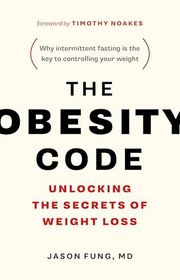
The Complete Guide to Fasting
Heal Your Body Through Intermittent, Alternate-Day, and Extended Fasting
For readers comparing the fasting schedules promoted within biohacking. Fung and Moore offer detailed practical discussion, though extended fasting and medical-condition claims require individual clinical assessment rather than treating the book as a universal plan.
What it's about
Fung and Jimmy Moore explain intermittent, alternate-day, and extended fasting through their proposed approach to nutrition and metabolic health. The guide discusses different schedules, managing hunger, common questions, and the practical challenges involved in adopting fasting routines.
Also recommended by
1 person Nassim Taleb recommended this book
Nassim Taleb
"An excellent book!" - Nassim Taleb
Nassim Taleb's recommendation of this book

For readers who want an illustrated overview spanning sleep, food, movement, and work habits. The organized format makes it useful for browsing, though extensive references do not make every suggested intervention equally well supported.
What it's about
Olli Sovijärvi, Teemu Arina, and Jaakko Halmetoja present a biohacking approach to sleep, nutrition, exercise, work, and mental well-being. Illustrations and references accompany their suggestions for experimenting with everyday habits and using technology to monitor personal performance.

Head Strong
For readers interested in Asprey's account of changing daily routines to improve focus. The organized two-week format makes his approach easy to follow, though the timetable and brain-performance claims exceed what individual anecdotes can demonstrate.
What it's about
Dave Asprey proposes a biohacking program aimed at improving mental performance through changes to daily life. He discusses brain energy, nutrition, and environmental influences, organizing his recommendations into a two-week plan for greater focus and cognitive resilience.

For readers interested in Asprey's personal approach to longevity and the culture around it. The broad survey introduces many experimental ideas, though age-reversal and extreme-longevity claims go well beyond demonstrated human outcomes.
What it's about
Dave Asprey presents his approach to aging through seven proposed sources of cellular decline. Personal experiments accompany discussions of diet, sleep, light, exercise, and other interventions that he argues could improve present performance and extend healthy life.
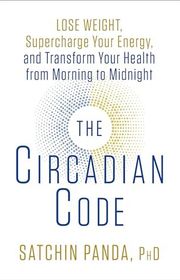
The Circadian Code
For readers who want a focused explanation of biological timing rather than a catalog of gadgets. Panda connects daily rhythms with sleep and eating patterns, though proposed health benefits vary in how strongly human evidence supports them.
What it's about
Satchin Panda explains circadian rhythms and their relationship with sleep, eating, light, and physical activity. Drawing on research into biological clocks, he discusses how the timing of everyday routines can affect the body's patterns of activity and rest.

For readers interested in how vagus nerve ideas appear in popular wellness writing. Habib supplies an accessible framework and routines, though broad claims about healing should be distinguished from established evidence for specific clinical treatments.
What it's about
Navaz Habib presents his approach to vagus nerve function and its proposed relationship with common health concerns. Explanations of the body's rest-and-digest system accompany daily and weekly routines intended to support recovery and general well-being.

Becoming a Supple Leopard
The Ultimate Guide to Resolving Pain, Preventing Injury, and Optimizing Athletic Performance
For strength-training readers who want a detailed visual reference on movement and mobility. Starrett makes body positioning concrete, though a general manual cannot diagnose pain or guarantee that its techniques prevent injury.
What it's about
Kelly Starrett presents a system for understanding movement, mobility, and physical maintenance. Illustrated guidance covers body positioning, common strength exercises, and techniques for addressing restrictions, helping readers examine movement habits that affect athletic performance.

For readers studying an unconventional combination of diet and environmental ideas. Kruse presents a distinctive personal theory, though the prescription and disease-reversal framing should not be treated as established clinical guidance.
What it's about
Jack Kruse presents his nutritional and environmental approach to metabolism, chronic illness, and aging. Drawing on his personal experience and clinical perspective, he connects Paleo ideas with epigenetics and challenges conventional explanations of obesity and related conditions.

For readers who want to explore breathwork as a personal or contemplative practice. Brulé offers a broad range of approaches, though spiritual ideas and performance claims need distinguishing from evidence about specific health conditions.
What it's about
Dan Brulé introduces conscious breathing through his Breath Mastery approach, drawing on years of teaching and practice. The guide explores using breathwork for relaxation, concentration, performance, and spiritual growth, with techniques intended for everyday situations.

Metabolic Autophagy
Practice Intermittent Fasting and Resistance Training to Build Muscle and Promote Longevity
For readers curious about theories connecting fasting, exercise, and cellular maintenance. Land brings those topics into one framework, though mechanistic explanations of autophagy do not establish that the proposed schedules improve human longevity.
What it's about
Siim Land connects intermittent fasting and resistance training within his approach to muscle development and longevity. He discusses autophagy, nutrient-sensing pathways, circadian rhythms, food choices, and supplements, proposing ways to balance periods of growth and cellular maintenance.
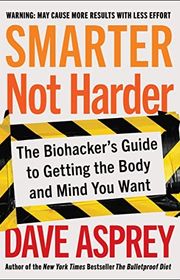
Smarter Not Harder
For readers following Asprey's approach who want a newer overview of performance-oriented experimentation. The emphasis on effort and efficiency gives it a clear organizing theme, though branded technologies and ambitious claims need independent scrutiny.
What it's about
Dave Asprey presents his approach to improving physical and mental performance while reducing unnecessary effort. The book discusses nutrition, exercise, recovery, and technology through his biohacking framework, combining personal experiences with proposed strategies for changing daily habits.

Body by Science
A Research Based Program to Get the Results You Want in 12 Minutes a Week
For readers comparing approaches to brief, high-intensity strength training. McGuff and Little explain their rationale in detail, though the minimalist schedule is a specific training philosophy rather than a universal replacement for broader physical activity.
What it's about
John Little and Doug McGuff present their approach to strength training through brief, infrequent, high-intensity workouts. Explanations of exercise physiology accompany illustrated routines and discussions of recovery, individual differences, and the authors' interpretation of research on physical conditioning.
Also recommended by
1 person- Nassim Taleb recommended this book
Nassim Taleb
"I owe a lot to this book." - Nassim Taleb
Nassim Taleb's recommendation of this book

Keto Diet
Your 30-Day Plan to Lose Weight, Balance Hormones, Boost Brain Health, and Reverse Disease
For readers comparing how popular authors organize ketogenic eating plans. Axe provides recipes and a defined schedule, though promises involving hormones, brain health, or disease reversal are broader than a general diet book can establish.
What it's about
Josh Axe presents a thirty-day ketogenic eating program with several alternative protocols for different lifestyles. Recipes, shopping lists, and exercise routines accompany his explanation of the diet and his arguments about its potential effects on health.

The Biohacker's Guide to Upgraded Energy and Focus
For readers interested in one coach's approach to energy and concentration. DiClementi connects several lifestyle domains, though the reliance on personal experimentation and individualized programs limits how confidently readers can generalize the recommendations.
What it's about
Anthony DiClementi presents his approach to improving energy and concentration through changes to the body's internal and external environment. Drawing on personal experiments and coaching experience, he discusses nutrition, exercise, supplementation, and strategies for individualized performance goals.

The Biohacking Manifesto
For readers interested in an overview of the supplements and longevity ideas promoted in biohacking. Lee brings several themes together, though the blueprint framing overstates the certainty of recommendations based partly on emerging or indirect evidence.
What it's about
James Lee combines and expands material from his earlier books on aging and the brain. He examines neurochemistry, supplements, cellular aging, and lifestyle factors, presenting his proposed framework for improving cognitive performance and supporting a longer life.

For readers examining precautionary arguments about everyday electromagnetic exposure. Pineault makes the advocacy accessible, though its implied health risks need comparing with current scientific assessments and should not be treated as settled conclusions.
What it's about
Nicolas Pineault argues for reducing exposure to electromagnetic fields from everyday technology. Combining discussions of research and policy disagreements with practical suggestions, he examines smartphones, wireless networks, and household devices while advocating changes to how people use them.
Sources
- 1
The Best Biohacking Books for 2022
quantifiedbob.com
- 2
32 Best Biohacking Books 2026: Cutting-Edge Science & Timeless Wisdom
outliyr.com
- 3
Best Biohacking Books 2026: Evidence-Based Picks
biohacking-ai.com
- 4
Biohacking Books
goodreads.com
- 5
Recommended Books
longevityninjas.com
- 6
Biohacking - the best biohacks + routine for beginners
biogena.com
- 7
The Best 10 Biohacking Books
blinkist.com
- 8
Looking for in depth books to start biohacking the right way
reddit.com
- 9
Books by Dave Asprey
daveasprey.com





Edited by
Software engineer whose passion for tracking book recommendations from podcasts inspired the creation of MRB.
Lead investor at 3one4 Capital whose startup expertise and love for books helped shape MRB and its growth.
Comments
Spotted a missing book, a wrong order or a mistake? Tell us and we'll fix this page.
We're a reading guide, not the author or publisher, so we can't send books or pass on messages.