
17 Best Addiction Books
The best addiction books, ranked by how many expert sources recommend each one, with notes on who each suits, from people in recovery to families and students.
Our take
Books about addiction serve different needs. A memoir can help readers recognize experiences that are difficult to discuss, while reporting can explain the social conditions and institutions around substance use. Other books offer exercises or a particular model of recovery. Personal stories, spiritual approaches, and clinical interpretations are different kinds of reading, and one person’s experience cannot establish what will work for everyone.
Beautiful Boy follows a father’s perspective, while Tweak offers his son’s account. Drinking and Blackout examine alcohol use concealed behind outward success. For a broader view, Dopesick investigates the opioid crisis, and Clean considers addiction and treatment through a disease-based framework. The Biology of Desire presents a different interpretation centered on learning and development. Start with the perspective closest to your question, then read a contrasting account to understand where experiences and explanations diverge.
17 books · 8 sources · Last updated
As an Amazon Associate, we earn from qualifying purchases (at no extra cost to you).
How to choose from this list
Skip to the full rankingIf you want to understand a family’s experience: Beautiful Boy → Tweak
If you want memoirs about alcohol: Drinking → Blackout
If you want to compare explanatory models: Clean → The Biology of Desire
If you want the wider social context: Dopesick → Chasing the Scream
If you want reflection on boundaries and self-worth: Codependent No More → The Gifts of Imperfection
The 17 books, ranked
Ranked by how many expert sources name each book. Ties go to the book more people recommend.

For parents and partners seeking recognition of their own uncertainty and exhaustion. Sheff gives the family perspective sustained attention, though this personal account cannot tell another family which treatment decisions will work for them.
What it's about
Sheff recounts his son Nic's descent into drug addiction and the impact on their family. His account follows warning signs, denial, desperate searches for treatment, and uncertain steps toward recovery, examining the limits and persistence of a parent's love.

For readers seeking a compassionate account connecting addiction with personal and social experience. Maté combines clinical stories with his trauma-focused interpretation, though that emphasis is one explanatory perspective rather than a complete account of every addiction.
What it's about
Gabor Maté draws on his work with people experiencing addiction in Vancouver, combining patient stories, personal reflection, and research. He explores relationships among trauma, emotional development, brain chemistry, and social conditions, arguing for compassionate responses to addictive behavior.

For readers whose efforts to help someone else have crowded out their own needs. Beattie offers accessible reflection on boundaries and control, though the broad codependency framework may not describe every relationship accurately.
What it's about
Melody Beattie explores patterns of codependency through personal stories, exercises and self-assessment. The book encourages readers to recognize efforts to control others, establish boundaries and give greater attention to their own needs and responsibilities.
Also recommended by
1 person Whitney Cummings recommended this book
Whitney Cummings
"If you want to know more about codependence I would say read [this book]." - Whitney Cummings
Whitney Cummings's recommendation of this book

For readers who want to examine an alternative to disease-based explanations. Lewis connects personal histories with learning and brain development, though the book advances a contested interpretation and should be read alongside other clinical perspectives.
What it's about
Marc Lewis challenges the disease model of addiction through neuroscience and the experiences of five people. He argues that addictive behavior develops through intensified learning and desire, exploring how changing habits and personal circumstances can contribute to recovery.
Also recommended by
1 person Esther Dyson recommended this book
Esther Dyson
"Addiction is short-term desire. Purpose is long-term desire." - Esther Dyson
Esther Dyson's recommendation of this book

For readers interested in the gap between outward confidence and private consequences of drinking. Hepola makes memory loss and sober identity central, though the candid memoir is a personal account rather than a recovery program.
What it's about
Hepola recounts the attraction of drinking and the blackouts that left gaps in her memory despite an outwardly successful career. Her memoir follows the recognition that she needed help and the difficult transition to a sober life.

For readers who want reporting on the opioid crisis beyond individual memoir. Macy connects affected communities with commercial and institutional decisions, though the US regional focus and historical reporting do not provide a present-day treatment directory.
What it's about
Macy investigates America's opioid epidemic through the experiences of affected communities and families. Her reporting connects corporate decisions, medical practice, regulatory failures, and drug dealing with the personal costs of addiction and the struggle to respond to it.

For readers who want to understand dependence concealed behind professional success. Knapp examines alcohol’s emotional role with particular attention to shame and self-deception, though the intimate reflection offers more recognition than structured recovery exercises.
What it's about
Knapp recounts a twenty-year relationship with alcohol that began in adolescence and continued through college and a successful writing career. The memoir examines concealed drinking, family narratives, destructive relationships, and the difficult process of confronting dependence and recovering.

For readers who recognize the pressure to hide substance use behind career achievement. Smith makes that contradiction especially visible in professional life, though the particular legal-career setting and personal recovery path have a limited scope.
What it's about
Smith recounts the alcoholism and drug use hidden behind her successful career in New York law. The memoir traces her formative years, professional pressures, depression, divorce, and movement toward recovery, exposing the distance between outward achievement and private addiction.

For readers who prefer guided reflection on values and daily habits. Spiegelman organizes recovery themes into accessible principles, though the holistic and spiritual framing offers less clinical detail than books focused on research or treatment systems.
What it's about
Spiegelman presents a holistic approach to addiction recovery organized around principles such as honesty, authenticity, gratitude, and self-awareness. Personal experiences, patient stories, questions, and affirmations invite readers to examine the mental, emotional, and spiritual aspects of rebuilding their lives.

Scar Tissue
For readers interested in addiction within a musician’s life. Anthony Kiedis and Larry Sloman connect substance use with relationships and rock culture, though the celebrity memoir’s explicit episodes outweigh any systematic discussion of recovery.
What it's about
Kiedis recounts his life as the Red Hot Chili Peppers' singer, including the band's changing membership and rise to fame. His memoir connects music, relationships, addiction, and excess with the personal struggles behind a career in rock.
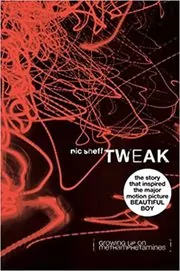
For readers who want the son’s perspective alongside Beautiful Boy. Sheff gives a direct account of relapse and attempts at recovery, though the explicit drug use and immediate voice leave less distance for analysis.
What it's about
Nic Sheff recounts his addiction to methamphetamine and heroin, repeated relapses, and attempts at recovery. His memoir describes the impact on family and relationships, revealing the distance between believing he could stop and confronting dependence.

The Gifts of Imperfection
Let Go of Who You Think You're Supposed to Be and Embrace Who You Are
For readers exploring shame, perfectionism, and self-worth alongside recovery. Brown provides a broader emotional vocabulary than the substance-focused memoirs, though this is a general personal-growth book rather than an addiction treatment guide.
What it's about
Brown invites readers into wholehearted living by letting go of who we think we should be. Through ten guideposts she shows how courage, compassion, and connection grow when we release perfectionism, comparison, and numbing and embrace our imperfect selves.
Also recommended by
1 person Melinda Gates recommended this book
Melinda Gates
Melinda Gates recommended this book on Likewise.com.
Melinda Gates's recommendation of this book

For readers seeking a mother’s perspective on a child’s methamphetamine addiction. Stoefen gives faith and changing ideas about control particular weight, though the spiritual interpretation and individual family circumstances may differ from your own.
What it's about
Stoefen recounts how her daughter's methamphetamine addiction disrupted family life in Bend, Oregon. The memoir follows her efforts to save Annie, her anger and questions about faith, and the changing understanding of love and control that emerged from the crisis.

Chasing the Scream
For readers interested in drug policy and the social setting of addiction. Hari makes institutional choices accessible through individual stories, though the broad argument should be weighed alongside other explanations rather than treated as clinical consensus.
What it's about
Johann Hari recounts a journey prompted by addiction within his own family. Through encounters and individual stories, he questions familiar explanations of addiction and investigates its causes and possible responses.

For readers who want to move from a family story toward questions about treatment systems. Sheff surveys addiction through a disease-based framework, though the US focus and publication period limit its use for current local options.
What it's about
Sheff investigates addiction through interviews with scientists, clinicians, counselors, and affected families. Arguing for a disease-based understanding, he examines prevention, treatment, accompanying mental-health conditions, and the shortcomings of existing systems, expanding on the personal questions raised in Beautiful Boy.

For readers drawn to a conversational, spiritually oriented explanation of the twelve steps. Brand brings personal experience and pointed questions, though his provocative voice and expansive definition of addiction will not suit everyone.
What it's about
Russell Brand draws on his experiences of addiction and recovery to reinterpret the twelve-step program. Personal stories and practical questions explore compulsive attachments to substances, relationships, fame, food, and other sources of temporary relief.

For readers who want spiritual autobiography and reflection on fear and self-worth. Bernstein’s personal approach may offer companionship, though its roots in A Course in Miracles distinguish it from clinical addiction education.
What it's about
Gabrielle Bernstein combines accounts of her struggles with addiction and self-doubt with lessons drawn from A Course in Miracles. She describes a spiritual practice aimed at recognizing fearful thought patterns and cultivating self-love and joy.
Sources
- 1
Best 20 Books About Addiction Recovery
brightviewhealth.com
- 2
20 Popular Recovery Books
theridgeohio.com
- 3
Best Addiction Books
goodreads.com
- 4
Books on Drug Addiction
reddit.com
- 5
14 Best Addiction Books to Read This Year
selfrecovery.org
- 6
Any good book recommendations about recovery/abuse/addiction?
reddit.com
- 7
Best Books on Addiction To Break Down Stigma and Open Your Mind
workithealth.com
- 8
5 Best Books on Addiction and Recovery
futuresrecoveryhealthcare.com


Edited by
Software engineer whose passion for tracking book recommendations from podcasts inspired the creation of MRB.
Lead investor at 3one4 Capital whose startup expertise and love for books helped shape MRB and its growth.
Comments
Did we miss something? Have feedback?
Help us improve this page by sharing your thoughts