
10 Best Neurology Books
The best neurology books, ranked by how many expert sources recommend each, with notes for medical students, residents, and readers choosing a first text.
Our take
Clinical neurology brings anatomy, examination, and disease together. Students need to learn where a problem is located before deciding what might explain it; residents also need resources for a much wider range of presentations. The right book depends on whether you are building that foundation, preparing for an examination, or looking up a difficult clinical question.
Lange Clinical Neurology and Neuroanatomy makes localization the organizing idea, while Neuroanatomy Through Clinical Cases asks you to apply anatomy to patient problems. Clinical Neuroanatomy Made Ridiculously Simple offers a shorter first pass. For rotation review, Blueprints Neurology is more manageable than the broad references Bradley's Neurology in Clinical Practice and Adams and Victor's Principles of Neurology. Pocket Neurology serves a different purpose again, compressing information for quick consultation. Start with a foundation text, then add a review guide or reference that fits your stage of training.
10 books · 8 sources · Last updated
As an Amazon Associate, we earn from qualifying purchases (at no extra cost to you).
How to choose from this list
Skip to the full rankingIf you're beginning clinical localization: Lange Clinical Neurology and Neuroanatomy → Neuroanatomy Through Clinical Cases
If you need an anatomy refresher: Clinical Neuroanatomy Made Ridiculously Simple
If you're preparing for a clerkship exam: Blueprints Neurology → Case Files Neurology
If you need a broad clinical reference: Merritt's Neurology → Bradley's Neurology in Clinical Practice
If you want a compact ward companion: Pocket Neurology
If you're preparing for neurology boards: Comprehensive Review in Clinical Neurology
The 10 books, ranked
Ranked by how many expert sources name each book. Ties go to the book more people recommend.

Blueprints Neurology
For medical students preparing for a neurology rotation or shelf examination. Its concise chapters and review questions make a manageable survey, though residents seeking detailed subspecialty coverage will soon need a broader reference.
What it's about
Frank Drislane and fellow authors provide a concise review of key neurological topics for clinical rotations and examinations. Patient vignettes accompany diagnostic and treatment discussions, while board-style questions and detailed answer explanations allow students to assess their understanding.

Adams and Victor's Principles of Neurology
For trainees ready for sustained reading about neurological signs and disease. Its detailed explanations support clinical reasoning beyond quick recall, though the lengthy prose asks for more concentration than a pocket handbook or concise revision guide.
What it's about
This neurology textbook connects clinical examination and diagnostic testing with the symptoms and categories of nervous-system disease. Discussions of movement, sensation, consciousness, cognition, and aging lead into neurological disorders and conditions affecting the spinal cord, peripheral nerves, and muscles.

Bradley's Neurology in Clinical Practice
For residents and clinicians who need a substantial reference across neurological disorders. Its breadth supports looking up complex cases, though the scale makes selective reading more practical than a first attempt to learn the subject from cover to cover.
What it's about
Robert Daroff and fellow editors bring together a clinical reference on neurological disease and its management. Coverage connects neuroscience with conditions including stroke, trauma, tumors, infections, and movement disorders, alongside principles of intensive care, pain management, and rehabilitation.
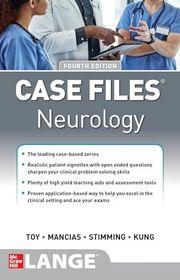
Case Files Neurology
For medical students who want to practice applying knowledge to patient presentations. Cases, discussions, and questions provide a more guided exercise than a reference chapter, though the format offers less systematic coverage than a conventional textbook.
What it's about
Clinical cases introduce common neurological presentations, followed by explanations of diagnosis, relevant mechanisms, and management. Review questions and clinical points help medical students connect their knowledge with decisions encountered during a neurology clerkship and examination preparation.

For medical students who want to connect neurological symptoms with the structures responsible. The localization framework gives anatomy a clinical purpose, though readers seeking exhaustive disease coverage will need a larger reference alongside this more focused introduction.
What it's about
Aaron Berkowitz links neuroanatomical structure and function with clinical neurology through localization. Anatomical explanations provide a framework for evaluating symptoms and forming differential diagnoses, followed by discussions of the clinical features, diagnosis, and management of neurological diseases.
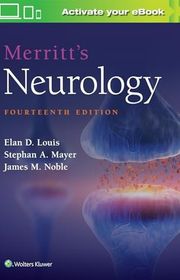
Merritt's Neurology
For trainees who want a broad clinical textbook alongside more focused anatomy and review books. Its single-volume format makes a useful general reference, though comprehensive coverage still demands more time than a short clerkship guide.
What it's about
This clinical reference surveys neurological symptoms, examination, diagnostic methods, and diseases of the nervous system. Chapters connect clinical findings with diagnosis and management across major areas of neurology, supporting study and consultation during medical training and practice.

Neuroanatomy Through Clinical Cases
For students who learn anatomy more easily through patient problems and imaging. Its cases require you to apply structural knowledge, though working through them takes more time than reviewing a short outline before an examination.
What it's about
Hal Blumenfeld teaches neuroanatomy through real clinical cases and radiological images. Explanations of major neural systems connect anatomical structures with examination findings and patient presentations, encouraging students to reason through the location and consequences of nervous-system problems.

Pocket Neurology
For residents who need a compact companion for hospital and clinic work. Tables and outlines make focused lookups easier than in a full textbook, though the compression assumes background knowledge and leaves less room for explanation.
What it's about
This pocket reference organizes neurological signs and symptoms into differential diagnosis, workup, and management. Outlines, tables, and algorithms cover hospital and clinic presentations alongside subspecialty topics, giving trainees a compact resource for consulting clinical concepts.

Clinical Neuroanatomy Made Ridiculously Simple
For students who need a first pass through clinical neuroanatomy without a large textbook. Mnemonics and humor make key relationships easier to revisit, though the compressed presentation cannot replace detailed anatomical study or extended clinical cases.
What it's about
Stephen Goldberg introduces clinically relevant neuroanatomy with mnemonics, humor, and case presentations. Explanations connect nervous-system structures with the effects of injury, supporting introductory study and examination review while helping readers understand the reasoning behind neurological localization.

Comprehensive Review in Clinical Neurology
A Multiple Choice Book for the Wards and Boards
For residents who want to test clinical knowledge through questions and explanations. Its active recall format suits identifying weak areas before boards, though it works better beside a teaching text than as a first introduction to neurology.
What it's about
Esteban Cheng-Ching and fellow authors review clinical neurology through multiple-choice questions, many based on patient cases. Explanations, anatomical diagrams, and radiographic and pathological images connect neurological concepts with clinical reasoning, supporting study for ward work and board examinations.
Sources
- 1
School of Medicine Clerkships: Neurology
guides.library.uab.edu
- 2
Test Prep: Neurology
iu.libguides.com
- 3
Best Neurology Textbooks for a Soon-To-Be PGY2
reddit.com
- 4
Top Recommended Neurology Books
stevengangloff.com
- 5
Best books for the Neurology shelf and rotation 2024
medschooladvice.com
- 6
Which is the reference neurology book that you used in the neurology residence?
reddit.com
- 7
Neurology Subject Guide
va.gov
- 8
Books | UH Neurological Institute
uhhospitals.org



Edited by
Software engineer whose passion for tracking book recommendations from podcasts inspired the creation of MRB.
Lead investor at 3one4 Capital whose startup expertise and love for books helped shape MRB and its growth.
Comments
Spotted a missing book, a wrong order or a mistake? Tell us and we'll fix this page.
We're a reading guide, not the author or publisher, so we can't send books or pass on messages.