
8 Best Neuroanatomy Books
The best neuroanatomy books, ranked by expert source recommendations, with notes to help you choose visual introductions, clinical textbooks, atlases, and review aids.
Our take
Neuroanatomy connects the structures of the nervous system with the functions they support. Learning it involves several different tasks: understanding a pathway, recognizing a structure in a section, and relating an anatomical location to a clinical finding. A textbook, an atlas, and a revision aid can support different parts of that work, so one book rarely does everything equally well.
General readers can begin with The Human Brain Book, while medical students may prefer the concise explanations in Crossman’s Neuroanatomy before tackling a fuller course. Neuroanatomy Through Clinical Cases emphasizes reasoning from patient presentations. Haines’s Neuroanatomy Atlas in Clinical Context helps with sections and imaging, and Martin’s Neuroanatomy combines explanatory text with atlas material. Clinical Neuroanatomy Made Ridiculously Simple and Netter's Neuroscience Coloring Book are better treated as companions for orientation and review. Start with the book that matches your course’s level, then add an atlas when you need to recognize structures.
8 books · 8 sources · Last updated
As an Amazon Associate, we earn from qualifying purchases (at no extra cost to you).
How to choose from this list
Skip to the full rankingIf you want a general-interest overview: The Human Brain Book
If you want Crossman’s concise course: Neuroanatomy
If you want clinical reasoning: Neuroanatomy Through Clinical Cases → Lange Clinical Neurology and Neuroanatomy
If you need sections and imaging: Neuroanatomy Atlas in Clinical Context
If you want Martin’s combined text and atlas: Neuroanatomy
If you want active review alongside a course: Clinical Neuroanatomy Made Ridiculously Simple → Netter's Neuroscience Coloring Book
The 8 books, ranked
Ranked by how many expert sources name each book. Ties go to the book more people recommend.
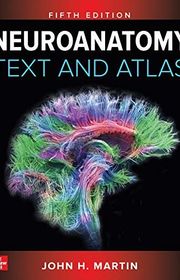
Neuroanatomy: Text and Atlas
For students who want an explanatory course and anatomical atlas in one volume. Its regional and functional organization connects pathways with clinical examples, though the substantial detail makes it slower to work through than a concise introductory text.
What it's about
John Martin explains the regional and functional organization of the human nervous system alongside anatomical illustrations and atlas sections. Clinical examples connect neural structures and pathways with their consequences, supporting study of both normal function and neurological dysfunction.

Neuroanatomy Atlas in Clinical Context
Structures, Sections, Systems, and Syndromes
For students learning to recognize structures in sections and clinical images. The atlas connects anatomical views with pathways and syndromes, though it works better beside an explanatory textbook than as a first course on its own.
What it's about
Duane Haines combines anatomical sections, pathway drawings, and clinical imaging to explain the central nervous system. The atlas links structures and connections with neurological syndromes, helping students relate neuroanatomy to the findings encountered in clinical practice.

Neuroanatomy Through Clinical Cases
For medical students who want to connect anatomy with examination findings and localization. The case-based organization encourages reasoning rather than isolated memorization, though working through the substantial explanations takes more time than reviewing an atlas.
What it's about
Hal Blumenfeld teaches neuroanatomy through real clinical cases and radiological images. Explanations of major neural systems connect anatomical structures with examination findings and patient presentations, encouraging students to reason through the location and consequences of nervous-system problems.
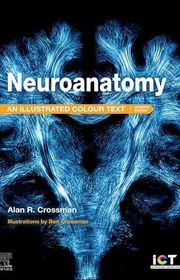
Neuroanatomy: Illustrated Colour Text
For medical students who want a concise course before a larger clinical reference. Illustrated explanations and summary boxes help organize the essentials, though the compact treatment provides less depth than a full textbook and dedicated atlas together.
What it's about
Alan Crossman introduces the structure and function of the nervous system through illustrated explanations, clinical examples, and topic summaries. The text connects normal anatomy with dysfunction, providing a compact foundation for students beginning to relate neuroanatomy to clinical study.

For students moving from anatomical knowledge toward clinical neurology. Its localization-based framework links structures with the organization of clinical problems, though the broader disease coverage makes it less focused than a dedicated anatomy atlas.
What it's about
Aaron Berkowitz links neuroanatomical structure and function with clinical neurology through localization. Anatomical explanations provide a framework for evaluating symptoms and forming differential diagnoses, followed by discussions of the clinical features, diagnosis, and management of neurological diseases.

Clinical Neuroanatomy Made Ridiculously Simple
For students who need a compact first orientation or a reminder before deeper study. Mnemonics and humor make key relationships easier to recall, though the compression leaves gaps that a full textbook or atlas must fill.
What it's about
Stephen Goldberg introduces clinically relevant neuroanatomy with mnemonics, humor, and case presentations. Explanations connect nervous-system structures with the effects of injury, supporting introductory study and examination review while helping readers understand the reasoning behind neurological localization.

Netter's Neuroscience Coloring Book
For visual learners who want an active way to rehearse structures and pathways. Coloring slows down observation and encourages repeated review, though it should accompany explanation and self-testing rather than become the whole study method.
What it's about
Coloring exercises based on Netter illustrations introduce the brain, spinal cord, and peripheral nerves. Readers trace neural pathways while reviewing anatomical relationships, functions, and clinical concepts, with explanatory notes connecting the drawings to neuroscience and nervous system disorders.

For curious general readers who want a visual overview of brain structure and function. The accessible illustrations connect anatomy with everyday mental activity, though this is not a substitute for the detail expected in a medical neuroanatomy course.
What it's about
Rita Carter offers an illustrated reference to brain anatomy and function, using diagrams and imaging to explain how the nervous system works. Sections explore thought, emotion, senses, sleep, and disorders affecting the brain and its connections with the body.
Sources
- 1
Neuroanatomy
library.cumc.columbia.edu
- 2
Brain Atlases - Neuroscience Library Guide
libguides.tulane.edu
- 3
Best Neuroanatomy Textbook
reddit.com
- 4
Neuroanatomy Books
goodreads.com
- 5
Anatomy Resources
guides.utmb.edu
- 6
Neuron, Brain, and Behavior I - Resources for M2 Self-Directed Learning
libguides.rutgers.edu
- 7
Neuroscience & Behavior - Phase 1 (Years 1 & 2) Library Resources
iu.libguides.com
- 8
NMB Unit - MRC Year 1 Recommended Resources
libguides.siumed.edu






Edited by
Software engineer whose passion for tracking book recommendations from podcasts inspired the creation of MRB.
Lead investor at 3one4 Capital whose startup expertise and love for books helped shape MRB and its growth.
Comments
Spotted a missing book, a wrong order or a mistake? Tell us and we'll fix this page.
We're a reading guide, not the author or publisher, so we can't send books or pass on messages.