
15 Best Schizophrenia Books
The best schizophrenia books, ranked by how many expert sources recommend each one, with notes for readers choosing memoirs, family guides, and history.
Our take
Books about schizophrenia serve different purposes. A firsthand account can make an unfamiliar experience more understandable, while a family guide addresses questions about communication, support, and daily life. Histories and critical studies examine the institutions and assumptions surrounding diagnosis and care. These approaches can complement one another, but a memoir's individual experience and a historical argument answer different questions from a practical reference.
The Center Cannot Hold offers a sustained personal narrative, and The Collected Schizophrenias uses essays to explore identity and psychiatric labels. Hidden Valley Road follows the consequences across a large family. For practical family concerns, consider Surviving Schizophrenia or The Complete Family Guide to Schizophrenia. The Protest Psychosis focuses on race and diagnostic history, while The Gene provides broader scientific context. Older books reflect the care and ideas of their time. Start with a memoir to understand a person's perspective, or a family guide if you need help organizing everyday questions.
15 books · 8 sources · Last updated
As an Amazon Associate, we earn from qualifying purchases (at no extra cost to you).
How to choose from this list
Skip to the full rankingIf you want a firsthand introduction: The Center Cannot Hold → The Collected Schizophrenias
If you're supporting a family member: Surviving Schizophrenia → The Complete Family Guide to Schizophrenia
If conversations about help become arguments: I Am Not Sick, I Don't Need Help!
If you want a reported family history: Hidden Valley Road → No One Cares About Crazy People
If you're studying diagnosis and society: The Protest Psychosis → The Best Minds
The 15 books, ranked
Ranked by how many expert sources name each book. Ties go to the book more people recommend.

For readers who want a detailed firsthand account of living with schizophrenia alongside education, work, and relationships. Its sustained personal perspective offers more emotional understanding than a manual, though one person's path cannot represent everyone's experience.
What it's about
Elyn R. Saks recounts living with schizophrenia while pursuing education, relationships, and a legal career. Her memoir describes frightening episodes, hospitalizations, and the obstacles she encountered in building an independent life and becoming a respected professional.

For families who need a broad reference after a diagnosis. Its organized discussion of symptoms, services, and daily concerns is easier to consult than a memoir, though the clinical emphasis and edition date shape its perspective.
What it's about
E. Fuller Torrey explains schizophrenia for families navigating diagnosis, treatment, and daily life. The handbook covers symptoms and possible causes alongside practical concerns about support, services, and the challenges that arise when someone does not recognize their illness.
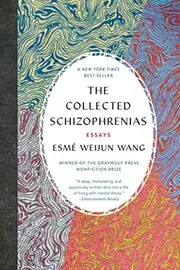
The Collected Schizophrenias
For readers who want essays on diagnosis, identity, stigma, and everyday life with schizoaffective disorder. Its thematic structure reaches questions a chronological memoir may miss, though the fragments offer a personal perspective rather than a continuous clinical history.
What it's about
In these essays, Wang combines her experience of schizoaffective disorder with research into diagnosis, stigma, psychiatric care, and chronic illness. She asks what it means to live inside conditions that medicine and culture often flatten into a single frightening label.

For readers interested in how severe mental illness changes an entire family over decades. Its combination of reporting and research history offers a wider view than one memoir, though the family's traumatic experiences make it a demanding read.
What it's about
This nonfiction account follows the Galvin family of Colorado, whose twelve children included six sons diagnosed with schizophrenia. Their experiences intertwine with the history of psychiatric treatment and researchers' efforts to understand the illness's genetic roots.
Also recommended by
1 person Oprah Winfrey recommended this book
Oprah Winfrey
"A riveting true story of an American family that reads like a medical detective journey." - Oprah Winfrey
Oprah Winfrey's recommendation of this book
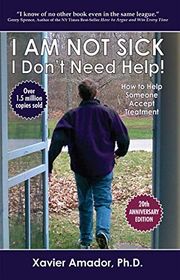
I Am Not Sick, I Don't Need Help!
For relatives whose conversations about illness or treatment repeatedly become arguments. Its listening and partnership framework offers a focused communication approach, though it covers serious mental illness more broadly and cannot guarantee agreement or replace professional support.
What it's about
Xavier Amador discusses lack of awareness of mental illness and the conflicts it can create around help and treatment. He presents the LEAP communication approach, emphasizing listening, empathy, agreement, and partnership in conversations with a loved one.
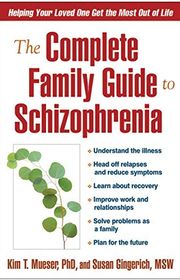
The Complete Family Guide to Schizophrenia
For relatives seeking concrete ways to communicate, solve problems, and support everyday goals. Its practical family exercises go beyond the memoirs, though the substantial length and older treatment information mean sections need to be read selectively and in context.
What it's about
Kim T. Mueser and Susan Gingerich explain schizophrenia and the challenges families may encounter. Their guide covers communication, problem solving, crisis planning, daily living, relationships, and long-term goals, with practical material aimed at supporting a loved one's quality of life.

For readers who want a personal account supplemented by family and clinical perspectives. The different voices show how illness affects relationships as well as the individual, though the distressing episodes and historical setting can make reading difficult.
What it's about
Lori Schiller describes the voices, hospitalizations, relapses, and isolation that accompanied her schizophrenia. Her memoir combines personal recollections with accounts from family members and doctors, showing how the illness reshaped her life and the lives around her.
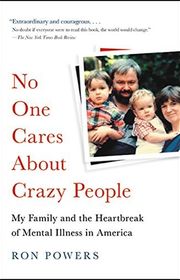
No One Cares About Crazy People
For readers who want a family's experience connected to the failures of mental health systems. Its combination of personal loss and historical argument gives policy an immediate human context, though the American focus and grief can feel overwhelming.
What it's about
Ron Powers draws on his sons' experiences of schizophrenia while examining the history and condition of mental health care in the United States. His account connects family life, loss, public policy, institutional failures, and the challenge of securing support.

For readers interested in how race, politics, and institutions can influence diagnostic practices. Its archival case study adds historical context absent from personal memoirs, though the concentrated American setting is not a comprehensive account of schizophrenia.
What it's about
Jonathan Metzl investigates how schizophrenia became associated with Black men amid the politics of the 1960s and 1970s. Drawing on records from Michigan's Ionia State Hospital and cultural documents, he examines racial assumptions embedded in psychiatric diagnosis.

For readers who want to consider both lived experience and the strain on close family relationships. The alternating twin perspectives offer an unusual comparison, though the sisters' intense history is personal rather than a general guide to care.
What it's about
Twin sisters Pamela Spiro Wagner and Carolyn Spiro tell alternating accounts of lives shaped by schizophrenia. Pamela describes her illness from within, while Carolyn, a psychiatrist, explores the sisters' differing paths and the strains on their relationship.

I Never Promised You a Rose Garden
For readers who prefer fiction that explores distress, trust, and a therapeutic relationship. Its imagined inner world can support reflection, though the historical portrayal of diagnosis and psychiatric care should not be treated as a current clinical account.
What it's about
Sixteen-year-old Deborah retreats into an elaborate inner kingdom as schizophrenia separates her from everyday life. During years in a psychiatric hospital, her work with a gifted psychiatrist becomes a struggle to face a world she finds frightening.

Mad in America
Bad Science, Bad Medicine, and the Enduring Mistreatment of the Mentally Ill
For readers examining the history of psychiatric institutions and criticisms of treatment. Its forceful argument brings attention to power and harm, though it is an advocacy-driven interpretation rather than a balanced guide to current care choices.
What it's about
Robert Whitaker traces the treatment of schizophrenia in America and argues that successive psychiatric interventions have often harmed patients. The history examines medical practices, research, and pharmaceutical influence while questioning society's obligations to people with mental illness.

Me, Myself, and Them
A Firsthand Account of One Young Person's Experience with Schizophrenia
For young adults and families who want an accessible account of symptoms emerging over time. Its personal focus helps make changes in thinking understandable, though it cannot describe the full range of experiences or substitute for individualized assessment.
What it's about
Kurt Snyder recounts the emergence of schizophrenia during his young adulthood, from grandiose ideas about a mathematical discovery to increasingly frightening suspicions. His firsthand narrative traces changes in his thoughts and the difficulty of recognizing his illness.
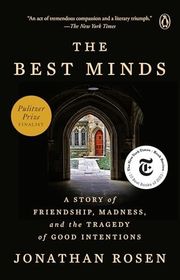
The Best Minds
For readers interested in friendship, institutions, and the assumptions surrounding achievement and serious mental illness. Its reflective reporting raises questions about responsibility and care, though the long narrative and tragic case make it unsuitable as a practical introduction.
What it's about
Jonathan Rosen examines his friendship with Michael Laudor, whose promising academic and professional path was disrupted by severe mental illness. The account places personal history alongside changing ideas about psychiatric care, community support, and institutional responsibility.

For readers interested in the history and ethics of heredity behind questions about mental illness. Its scientific storytelling gives a wider context than the memoirs, though schizophrenia is one thread within a much broader genetics book.
What it's about
Siddhartha Mukherjee traces the history of genetics while weaving in his family’s experiences of mental illness. The account examines discoveries about heredity, the misuse of genetic ideas, and ethical questions raised by growing power to understand and alter genes.
Also recommended by
4 people Bill Gates recommended this book
Bill Gates
"Mukherjee once again shows his gift for making hard science easily accessible." - Bill Gates
Bill Gates's recommendation of this book  John Legend recommended this book
John Legend
"So interesting and well written." - John Legend
John Legend's recommendation of this book  Bryan Johnson recommended this book
Bryan Johnson
"A great book." - Bryan Johnson
Bryan Johnson's recommendation of this book  Reid Hoffman recommended this book
Reid Hoffman
Reid Hoffman told McKinsey he was reading this book.
Reid Hoffman's recommendation of this book
Sources
- 1
BCSS Book Suggestions
bcss.org
- 2
Schizophrenia
bibliotherapy.ca
- 3
Schizophrenia Books
goodreads.com
- 4
Best Books on Schizophrenia & Psychosis (Curated List)
pandhealth.com
- 5
A Look Inside the Mind of Schizophrenia
psychcentral.com
- 6
100 Best Schizophrenia Books of All Time
shortform.com
- 7
Book recommendations on schizophrenia???
reddit.com
- 8
Books on psychosis
reddit.com










Edited by
Software engineer whose passion for tracking book recommendations from podcasts inspired the creation of MRB.
Lead investor at 3one4 Capital whose startup expertise and love for books helped shape MRB and its growth.
Comments
Spotted a missing book, a wrong order or a mistake? Tell us and we'll fix this page.
We're a reading guide, not the author or publisher, so we can't send books or pass on messages.