
17 Best Cell Biology Books
The best cell biology books, ranked by how many expert sources recommend each one, with notes for beginners, biology students, and medical course review.
Our take
Cell biology examines how cells are built, how their components work together, and how they respond to information and their surroundings. Books on the subject range from accessible overviews to detailed university references. Medical texts put more weight on tissues and disease, while histories and reported narratives explore the people and decisions behind laboratory discoveries.
Essential Cell Biology is a manageable starting point for students building a molecular foundation. Molecular Biology of the Cell and Molecular Cell Biology offer more extensive study, while Molecular Biology of the Gene narrows the focus to genetic mechanisms. Becker’s World of the Cell and Karp’s Cell and Molecular Biology connect concepts with experiments. For medical study, Histology and Cell Biology links normal structures with pathology, and BRS Cell Biology and Histology supports revision. The Immortal Life of Henrietta Lacks adds a human and ethical perspective. Start with an introductory text, then choose a deeper reference or review book to match your course.
17 books · 7 sources · Last updated
As an Amazon Associate, we earn from qualifying purchases (at no extra cost to you).
How to choose from this list
Skip to the full rankingIf you are beginning the subject: Molecular & Cell Biology For Dummies → Essential Cell Biology
If you need a detailed course reference: Essential Cell Biology → Molecular Biology of the Cell
If you want experimental context: Becker's World of the Cell → Karp's Cell and Molecular Biology
If you want genetic mechanisms: Molecular Biology of the Gene
If you are studying medicine: Histology and Cell Biology → BRS Cell Biology and Histology
If you want the human history: The Immortal Life of Henrietta Lacks → The Double Helix
The 17 books, ranked
Ranked by how many expert sources name each book. Ties go to the book more people recommend.

Essential Cell Biology
For students beginning cell biology who want a coherent molecular foundation. Its illustrations and more selective scope make it more approachable than the larger references, though advanced coursework will eventually require greater experimental detail.
What it's about
Bruce Alberts and his coauthors introduce the molecular processes that make cells function. Clear explanations and illustrations cover cellular structures, proteins, genetic information, and energy, providing an introductory foundation for understanding life at the cellular level.
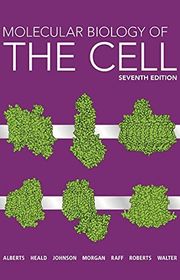
Molecular Biology of the Cell
For students who need a broad, detailed reference after an introductory course. Its extensive explanations and illustrations connect cellular systems across scales, though the size makes it more demanding than Essential Cell Biology.
What it's about
Bruce Alberts and his coauthors explain cellular structures and molecular mechanisms, including membranes, gene expression, signaling, division, and interactions between cells. The textbook connects established concepts with experimental reasoning and illustrations of how cellular systems function.

Molecular Cell Biology
For students seeking a detailed molecular account with experimental and biomedical context. Its research orientation makes it useful beyond an introductory survey, though the density and assumed scientific background demand sustained study.
What it's about
Harvey Lodish and his coauthors introduce molecular cell biology through research findings and experimental techniques. Medical examples connect cellular processes with human health and disease, emphasizing how scientific methods generate knowledge for biomedical research and related careers.

For undergraduates who want a molecular framework with examples from several biological systems. Its course sized treatment balances mechanisms and applications, though readers seeking an extensive specialist reference may outgrow its more selective coverage.
What it's about
Geoffrey Cooper and Robert Hausman introduce cell biology through a molecular framework, balancing fundamental concepts with experimental detail. Examples from plant biology, development, immunity and neuroscience illustrate broader principles, alongside research and medical applications.

The Immortal Life of Henrietta Lacks
For readers who want the human consequences of cell research alongside its scientific importance. Its reporting makes consent and inequality concrete, though it introduces research history rather than teaching cellular mechanisms systematically.
What it's about
Rebecca Skloot investigates the life of Henrietta Lacks, whose cells were taken without her knowledge and became important tools in medical research. Her reporting connects scientific advances with the experiences of Lacks's family and questions of consent, race, and justice.
Also recommended by
1 person A.J. Jacobs recommended this book
A.J. Jacobs
"Great writer." - A.J. Jacobs
A.J. Jacobs's recommendation of this book

For students whose syllabus combines cell biology with genetics, evolution, and ecology. Its broad coverage keeps several subjects together, though it offers less focused depth than a text devoted entirely to cellular mechanisms.
What it's about
P. S. Verma and V. K. Agarwal survey cell biology, genetics, molecular biology, evolution, and ecology in separate sections. The textbook connects cellular structures and inheritance with broader biological processes, using explanations and review material for students studying these subjects.

Molecular & Cell Biology For Dummies
For readers who need an accessible overview before tackling a university textbook. Its informal explanations help organize unfamiliar terminology, though the compressed coverage cannot replace a detailed course text or experimental training.
What it's about
René Fester Kratz introduces cell structures, molecular processes, DNA, and gene regulation in an accessible overview. The guide also discusses genetic testing, microarray techniques, research applications, and study strategies for readers learning molecular and cell biology.

For readers interested in how a scientific discovery was experienced by one participant. Its personal voice gives the history immediacy, though it is a partial account of collaboration and competition rather than a neutral textbook.
What it's about
James Watson recounts his collaboration with Francis Crick in discovering DNA’s structure. This personal account describes scientific competition, ambitious researchers, and the working relationships behind the discovery, presenting events through Watson’s own perspective and recollections.
Also recommended by
3 people Peter Attia recommended this book
Peter Attia
"[One of the] biographies of people who have 'built skyscrapers' (my term)." - Peter Attia
Peter Attia's recommendation of this book  Paul Graham recommended this book
Paul Graham
"The most impressive feature of [this book] is how much [the author] admits he didn't know. He's constantly talking about papers he couldn't understand and important concepts he didn't grasp." - Paul Graham
Paul Graham's recommendation of this book  Matt Ridley recommended this book
Matt Ridley
"An astonishing literary achievement, and it was about the greatest scientific discovery of the 20th century." - Matt Ridley
Matt Ridley's recommendation of this book

Becker's World of the Cell
For undergraduates who want cellular processes connected with the experiments used to study them. Its integration of biochemical and genetic foundations suits a full course, though readers need time to work through the scientific vocabulary.
What it's about
Jeff Hardin and Gregory Bertoni introduce cell biology through biochemical foundations, molecular genetics, and illustrated explanations of cellular processes. Chapters connect membranes, metabolism, gene expression, signaling, and cell division with the experimental techniques used to investigate them.
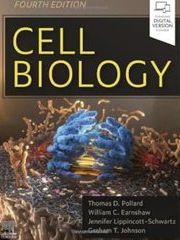
Cell Biology
For students entering biomedical research or health professions who value detailed visual explanations. Its organized account links molecular processes to cell behavior, though it requires more background and concentration than the introductory overviews.
What it's about
Thomas Pollard and his coauthors introduce cell structure and function through molecular explanations and extensive illustrations. Topics connect cellular components, movement, signaling, division, and interactions, with attention to how experimental findings explain biological processes.

Karp's Cell and Molecular Biology
For students who want biological concepts explained alongside the research behind them. Its experimental emphasis helps connect facts with scientific reasoning, though the detail is better suited to sustained coursework than a quick introduction.
What it's about
Gerald Karp, Janet Iwasa and Wallace Marshall introduce cellular and molecular biology through concepts and the experiments behind them. The textbook connects biological mechanisms with research, including applications involving plant biology and bioengineering.

Mitochondria and the Future of Medicine
The Key to Understanding Disease, Chronic Illness, Aging, and Life Itself
For readers interested in a broad argument about mitochondria, health, and aging. Its focus offers a different perspective from the course texts, though the author’s proposed health applications should be distinguished from established cellular mechanisms.
What it's about
Lee Know examines mitochondria and cellular energy production, exploring their proposed connections with aging and chronic illness. He surveys research and presents his views on nutrition, lifestyle, and approaches intended to support mitochondrial function.

The Epigenetics Revolution
How Modern Biology Is Rewriting Our Understanding of Genetics, Disease, and Inheritance
For general readers who want to understand gene regulation beyond the DNA sequence. Its narrative approach makes research questions approachable, though it is an introduction to a developing field rather than a current technical reference.
What it's about
Nessa Carey introduces epigenetics and explains why DNA sequences alone cannot account for an organism's development and behavior. She traces the field's history and examines gene regulation, inheritance, aging, disease, and the interaction between genes and environment.

For medical students reviewing material they have already studied. Its outlines, images, and questions support targeted revision, though the compressed format is less helpful for building a first understanding of unfamiliar cellular processes.
What it's about
Leslie Gartner and Lisa Lee organize cell biology and histology into concise outlines for course and board examination review. Illustrations, tissue images, clinical examples, and practice questions connect basic concepts with their medical applications and provide opportunities for self-assessment.

For medical students who want to connect normal cells and tissues with disease. Its visual and clinical framing bridges histology and pathology, though it is less suitable for readers seeking a general research oriented cell biology course.
What it's about
Abraham Kierszenbaum and Laura Tres connect histology and cell biology with pathological abnormalities. Illustrations, diagrams, micrographs, and clinical examples explain normal structures and disease, linking foundational science with concepts encountered in medical study and practice.

Principles of Cell Biology
For undergraduates who prefer a course organized around recurring principles rather than a catalog of cellular parts. Its conceptual structure encourages connections across topics, though readers may still need a larger reference for detailed mechanisms.
What it's about
George Plopper organizes cell biology around ten underlying principles, each explored in its own chapter. The undergraduate text connects how cells function with how researchers study them, emphasizing an integrated understanding of cellular activity.

Molecular Biology of the Gene
For students who want the mechanisms of genetic information in greater depth than a general cell survey. Its sustained focus clarifies replication and gene expression, though membranes, organelles, and tissue organization receive less attention.
What it's about
This textbook explains how genetic information is stored, maintained, expressed, and regulated. Its coverage connects DNA, RNA, and protein structure with replication, repair, transcription, translation, molecular research techniques, and gene regulation in development and evolution.
Also recommended by
1 person Alan Kay recommended this book
Alan Kay
"A lovely book to read." - Alan Kay
Alan Kay's recommendation of this book
Sources
- 1
Top 11 Cell Biology Textbooks of All Times
bioexplorer.net
- 2
100 Best Cell Biology Books of All Time
shortform.com
- 3
Biochemistry and cell biology textbooks
openwetware.org
- 4
Cell Biology Books
goodreads.com
- 5
Books about cell biology ?
reddit.com
- 6
Health Sciences Textbooks: Biochemistry / Molecular Biology
libraryguides.missouri.edu
- 7
Looking for a Detailed Book on Parts of the Cell and Cell Theory
reddit.com








Edited by
Software engineer whose passion for tracking book recommendations from podcasts inspired the creation of MRB.
Lead investor at 3one4 Capital whose startup expertise and love for books helped shape MRB and its growth.
Comments
Did we miss something? Have feedback?
Help us improve this page by sharing your thoughts