
18 Best Memory Books
The best memory books, ranked by expert source recommendations, with notes to help you choose practical techniques, learning strategies, science, and history.
Our take
Memory books answer several different questions. Some teach ways to remember names, numbers, or study material. Others explain the research, trace mnemonic traditions, or explore how recollection shapes identity and the experience of time. Deciding whether you want a practice guide, a scientific account, or a reflective reading experience helps narrow the choice.
Moonwalking with Einstein offers an approachable narrative introduction to memory training, while The Memory Book and How to Remember Anything give more direct instruction. Memory Craft encourages experimentation with a range of methods. Students may prefer Make It Stick or A Mind for Numbers, which connect retention with broader learning habits. For research, consider Memory or Searching For Memory; for intellectual history, The Art Of Memory takes a different route. Proust’s In Search of Lost Time and Sebald’s Austerlitz explore memory through fiction. Start with a book that fits your purpose, then put a small technique into practice or follow the questions that interest you further.
18 books · 9 sources · Last updated
As an Amazon Associate, we earn from qualifying purchases (at no extra cost to you).
How to choose from this list
Skip to the full rankingIf you want an approachable narrative introduction: Moonwalking with Einstein
If you want practical mnemonic instruction: The Memory Book → How to Remember Anything
If you want to explore different memory techniques: Memory Craft
If you want stronger learning habits: Make It Stick → A Mind for Numbers
If you want science and historical context: Searching For Memory → Memory → The Art Of Memory
If you want literary explorations: Austerlitz → In Search of Lost Time
The 18 books, ranked
Ranked by how many expert sources name each book. Ties go to the book more people recommend.
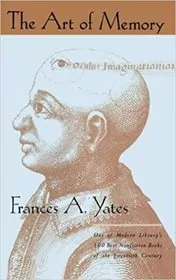
For readers interested in how mnemonic practices shaped European intellectual history. Its connections among images, architecture, and ideas give memory techniques cultural depth, though it is a historical study rather than a practical beginner’s course.
What it's about
Frances Yates traces the art of memory from ancient Greece through later European culture. She examines systems that associate images with imagined places, showing how mnemonic techniques intersected with architecture, philosophy, religion, and the demands of learning before printing.
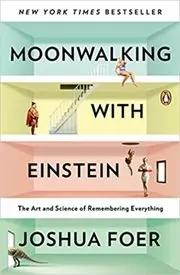
For general readers who want an engaging introduction to memory athletes and mnemonic traditions. The personal journey makes the subject approachable, though it is reported narrative rather than a systematic exercise manual for building the same skills.
What it's about
Joshua Foer recounts training for competitive memory events while investigating the history and science of remembering. His journey among memory athletes explores techniques, practice, and the relationship between exceptional feats of recall and the ordinary workings of human memory.
Also recommended by
3 people Bill Gates recommended this book
Bill Gates
"I never thought much about whether I could improve my memory across a wider set of domains, but now I think I could, after reading [this book]." - Bill Gates
 Chelsea Handler recommended this book
Chelsea Handler
"It has changed my life and made me embarrass myself much less when meeting someone twice." - Chelsea Handler
 Sahil Lavingia recommended this book
Sahil Lavingia
Sahil Lavingia recommended this book on Notion.
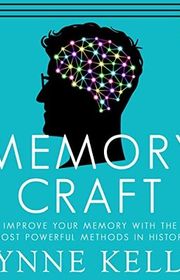
For readers who want many ways to experiment with mnemonic practice. Kelly combines personal trials with discussion of historical traditions, though the variety is less streamlined than following one narrowly defined memory system.
What it's about
Lynne Kelly explores mnemonic practices from historical and oral traditions alongside techniques used by contemporary memory competitors. Her personal experiments show ways to organize information through places, images, and other structured associations, inviting readers to test different approaches.
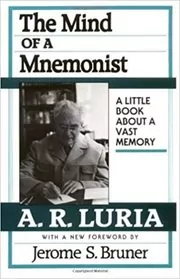
For readers curious about exceptional recall and its complications for everyday life. The detailed portrait makes a remarkable mind tangible, though a single historical case study cannot provide a general account of memory or a training method.
What it's about
Alexander Luria examines the life and mental processes of a man with an extraordinary memory. This case study connects his remarkable recall with synesthesia while exploring how his abilities shaped his personality, everyday experience, and difficulties.
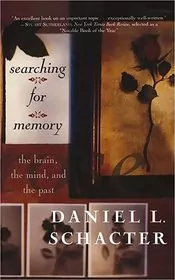
For readers who want memory research connected with individual experiences and clinical cases. The scientific perspective is broader than mnemonic training, though the age of the research means it should be read alongside newer accounts.
What it's about
Daniel Schacter explores scientific discoveries about memory through research and accounts of patients with unusual difficulties recalling their experiences. He examines amnesia, false and recovered memories, and how brain injury or psychological trauma can affect the past we remember.
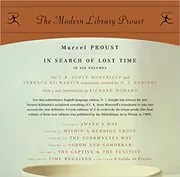
For literary readers interested in memory as lived experience rather than a skill to optimize. The depth of reflection on time and perception is distinctive here, though the long sentences and multivolume scale require substantial patience.
What it's about
Proust’s narrator revisits childhood, love, jealousy, and fashionable French society through the workings of memory. Across the novel’s interconnected volumes, relationships and social encounters become material for an exploration of time, perception, and artistic creation.
Also recommended by
3 people Alain de Botton recommended this book
Alain de Botton
"About a search for how you can stop wasting your life and start to appreciate life and live fully." - Alain de Botton
 Christopher Hitchens recommended this book
Christopher Hitchens
"[Appears] not to be written by [a human being]." - Christopher Hitchens
 Frank Blake recommended this book
Frank Blake
"I wanted to read Proust, but I didn’t know French so I started with [this book] and start learning French." - Frank Blake
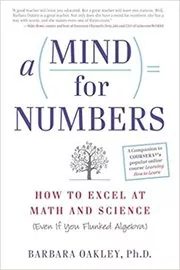
For students who want memory connected with solving difficult learning problems. The accessible study strategies address more than isolated recall, though readers seeking a detailed memory-palace system will need a more specialized book.
What it's about
Barbara Oakley explains learning strategies for difficult mathematics and science subjects, drawing on her own academic struggles. The guide offers ways to approach intimidating material and develop effective learning habits applicable beyond technical disciplines.
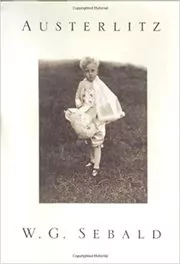
For literary readers interested in the relationship between memory, displacement, and historical loss. The unusual narrative form makes recollection part of the reading experience, though the slow pace and Holocaust context create a demanding emotional commitment.
What it's about
Jacques Austerlitz, brought to Britain as a refugee child, seeks the origins hidden from him during his Welsh upbringing. Through conversations with an unnamed narrator, W. G. Sebald explores memory, displacement, identity, and the lasting shadows of European history.
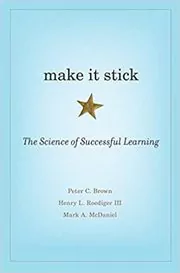
For students and teachers who want durable learning habits rather than impressive feats of isolated recall. The research-based discussion explains why effective practice can feel difficult, though the narrative examples are less convenient than a compact study checklist.
What it's about
Brown, Roediger, and McDaniel examine how people retain knowledge and skills, challenging familiar habits such as rereading and cramming. Research and examples explain retrieval practice, spacing, and varied practice as approaches to learning that lasts.
For readers who prefer a scheduled introduction to practicing mnemonic skills. The daily structure can make training easier to start, though the thirty-day framing should not be treated as a guarantee of equivalent results for everyone.
What it's about
Ron White presents a thirty-day approach to practicing memory skills. He introduces mnemonic methods and a mental filing system for recalling names, faces, numbers, speeches, and study material, with guidance on applying the techniques to everyday tasks.
For readers who want a traditional practical system for names, numbers, and everyday details. The concrete examples make mnemonic principles easy to try, though some scenarios feel dated and the techniques require deliberate rehearsal.
What it's about
Harry Lorayne and Jerry Lucas explain a memory system for use at work, school, and home. Their techniques address remembering names, numbers, appointments, and foreign vocabulary, alongside reading comprehension and recalling useful details in social situations.
Unlimited Memory
How to Use Advanced Learning Strategies to Learn Faster, Remember More and be More Productive
For readers who want a concise introduction to deliberate memory practice. The approachable presentation makes techniques easy to begin testing, though the broad productivity framing is less useful than matching specific methods to information you actually need.
What it's about
Kevin Horsley presents techniques for learning and retaining information through deliberate memory training. The guide covers concentration, remembering names, recalling study material, and using memory systems to reduce repeated learning and apply information more effectively.
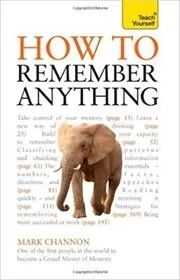
For readers who want practical exercises for recalling everyday information. The emphasis on applying techniques offers a more direct training route than historical accounts, though progress depends on repeated practice rather than simply learning the explanations.
What it's about
Mark Channon introduces techniques for remembering names, dates, numbers, and other information. The guide explains how to process and apply what you learn, with exercises and examples aimed at putting memory skills to work in daily life.
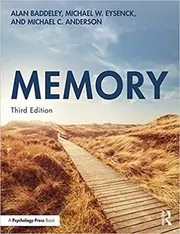
For students who want an organized introduction to the research and theories of human memory. The textbook breadth supports systematic study, though it requires more sustained attention than a popular account or a short practical guide.
What it's about
Alan Baddeley, Michael Eysenck, and Michael Anderson introduce the study of human memory. This textbook connects research and theory with practical applications, providing an overview for students and other readers interested in how memory works.
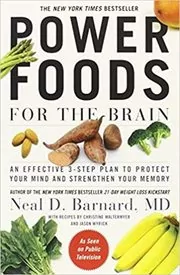
For readers specifically interested in one author’s dietary approach to brain health. The menus make the argument concrete, though its health claims need critical evaluation and it offers little direct instruction in memorization techniques.
What it's about
Neal Barnard proposes a three-step approach to brain health involving food choices, exercise, and supplements. He discusses nutrition research and possible risks to memory, accompanying his recommendations with menus, recipes, and practical advice for preparing meals.
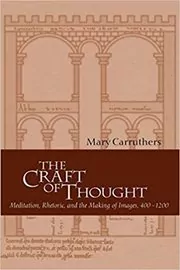
For readers studying medieval culture who want to understand memory as a tool for composition and contemplation. Its close analysis of images and texts offers historical depth, though the scholarly approach is far removed from modern memory training.
What it's about
Mary Carruthers studies medieval monastic meditation as a method of creating thoughts and compositions. Drawing on late antique and medieval sources, she explores how words, mental images, imagination, and emotion shaped literature, art, and architecture.
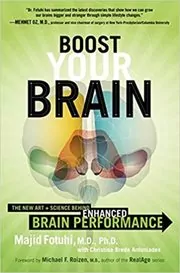
For readers interested in an organized lifestyle approach to cognitive performance. The proposed program offers more structure than a general science account, though its promised improvements should be evaluated critically and it provides less focused mnemonic instruction.
What it's about
Majid Fotuhi presents a three-month program intended to strengthen memory, concentration, and other mental abilities. Combining discussion of brain research with practical activities, he explores his approach to improving brain performance and maintaining cognitive abilities with age.
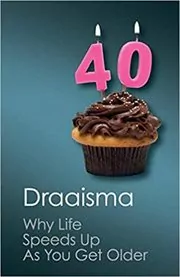
For readers curious about why personal memories and the passage of time feel uneven. The essays connect research with recognizable experiences, though the reflective approach offers explanations and questions rather than a program for improving recall.
What it's about
Douwe Draaisma explores autobiographical memory and the changing experience of time as people age. He examines vivid childhood recollections, déjà vu, unusual memory feats, and trauma to investigate how remembered experiences shape our understanding of the past.
Sources
- 1
The best books on Memory
fivebooks.com
- 2
Books on Memory Improvement and Memory Palaces
artofmemory.com
- 3
15 Best Memory Palace Books: Expert Guide by Anthony Metivier
magneticmemorymethod.com
- 4
24 Best Memory Improvement Books [For a Sharper Mind]
upjourney.com
- 5
Top 10 books on memory
theguardian.com
- 6
100 Best Memory Improvement Books of All Time
shortform.com
- 7
Memory Books
goodreads.com
- 8
What books on mnemotechnics would you recommend?
reddit.com
- 9
Moonwalking with Einstein...
reddit.com
Edited by
Software engineer whose passion for tracking book recommendations from podcasts inspired the creation of MRB.
Lead investor at 3one4 Capital whose startup expertise and love for books helped shape MRB and its growth.
Comments
Spotted a missing book, a wrong order or a mistake? Tell us and we'll fix this page.
We're a reading guide, not the author or publisher, so we can't send books or pass on messages.