
8 Best Market Research Books
Find the best market research books, ranked by expert sources and readers, covering research design, qualitative methods, consumer behavior, and reporting.
Our take
Market research books serve several different needs. Some teach you to define a question, choose a method, collect evidence, and interpret the results. Others offer explanations of consumer behavior or help you communicate findings. Knowing which task you face makes it easier to choose a useful starting point.
For an overview of how research supports a business decision, begin with The Market Research Toolbox or Market Research in Practice. The former emphasizes selecting useful tools; the latter follows the wider project process. Marketing Research: An Applied Orientation supplies a more substantial textbook reference, while Just Enough Research is especially relevant to product and design teams making decisions under practical constraints.
Use the psychology titles to broaden your interpretation rather than replace method training. Invisible Influence highlights social context, and Marketing to Mindstates offers a particular behavior-design framework. When evidence needs to reach an audience, Storytelling with Data addresses its presentation. Start with a methods book, then choose the supplement that matches the work you need to do.
8 books · 7 sources · Last updated
As an Amazon Associate, we earn from qualifying purchases (at no extra cost to you).
How to choose from this list
Skip to the full rankingIf you need to choose a research method: The Market Research Toolbox → Market Research in Practice
If you want a comprehensive textbook: Marketing Research
If you work in product or design: Just Enough Research
If you want to interpret consumer behavior: Invisible Influence → Marketing to Mindstates
If you need to present findings clearly: Storytelling with Data
The 8 books, ranked
Ranked by how many expert sources name each book. Ties go to the book more people recommend.
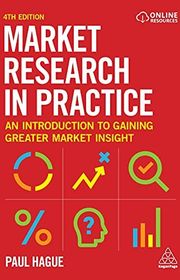
Market Research in Practice
For beginners and business users who want to follow a research project from brief to findings. Hague balances qualitative and quantitative work with practical examples, though advanced analysis needs a more specialized statistical reference.
What it's about
Paul Hague introduces the market research process, from defining objectives and choosing methods to gathering data, interpreting results, and presenting findings. Examples and practical guidance cover qualitative approaches, surveys, and the use of evidence in business decisions.
Marketing Research: An Applied Orientation
For students and analysts seeking a substantial reference across the research process. Malhotra provides structured coverage of design, data collection, and analysis, though the textbook scale makes it slower to use than a concise introductory guide.
What it's about
Naresh Malhotra presents marketing research as a systematic process for supporting decisions. The textbook covers problem definition, research design, qualitative and quantitative methods, sampling, measurement, data preparation, statistical analysis, and reporting through explanations and applied examples.

Just Enough Research
For product and design teams who need research to inform decisions under everyday constraints. Hall makes questioning assumptions and qualitative inquiry approachable, though the compact guide is not a substitute for advanced quantitative training.
What it's about
Erika Hall explains how teams can use research to question assumptions and make better design decisions. The guide connects planning, interviews, observation, and analysis with practical constraints, emphasizing useful inquiry throughout the development of products and services.
Marketing to Mindstates
The Practical Guide to Applying Behavior Design to Research and Marketing
For marketers who want a structured way to connect consumer context with creative decisions. Leach’s mindstate framework offers a practical lens for interpretation, though it is a particular behavior-design approach rather than a complete research methodology.
What it's about
Will Leach explains his approach to marketing through the temporary psychological states that shape consumer decisions. Drawing on behavioral research, he shows how identifying these mindstates can inform messages, emotional appeals, and the design of customer experiences.
Storytelling with Data
A Data Visualization Guide for Business Professionals
For researchers whose findings lose impact in crowded charts and presentations. Knaflic shows how visual choices can clarify a specific message, though this improves communication rather than teaching how to collect or validate the underlying data.
What it's about
Cole Nussbaumer Knaflic explains how to turn business data into clear visual communication. Examples guide readers through choosing charts, applying design principles, directing attention with color and annotations, and connecting individual graphs with a coherent story.
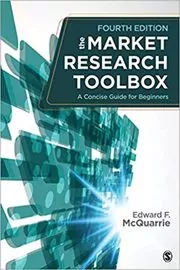
For managers and newcomers who need to choose research methods around an actual business decision. McQuarrie connects tools with information gaps and constraints, though specialist statistical work will require more detailed guidance.
What it's about
Edward McQuarrie explains how to select and use market research techniques for business decisions. The guide connects research planning with information gaps, available resources, secondary data, and the practical challenges of studying technology and business markets.
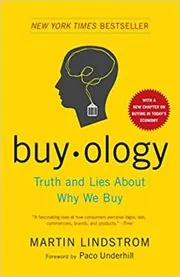
For readers curious about unconscious influences and the appeal of neuromarketing explanations. Lindstrom presents provocative consumer examples, though this is an argument about buying behavior rather than a guide to designing or validating research.
What it's about
Martin Lindstrom investigates the largely unconscious influences behind consumer choices, drawing on neuromarketing research and examples from advertising. He examines how brands, messages, and associations affect purchasing behavior, questioning common explanations of why people choose particular products.
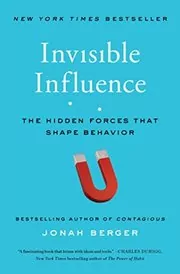
For researchers who want to notice social influence when interpreting consumer choices. Berger’s accessible examples broaden the questions you might ask, though the book does not supply sampling, interviewing, or survey-analysis procedures.
What it's about
Jonah Berger explores how other people subtly shape choices, preferences, and behavior. Research and everyday examples reveal the pull of imitation and the desire to stand apart, examining influences that often operate without people recognizing them.
Sources
- 1
Primary Market Research
guides.loc.gov
- 2
A CX Research Reading List
tlfresearch.com
- 3
Market Research Books
goodreads.com
- 4
Best Market Research Books to Read in 2026
questionpro.com
- 5
What is best book you read on market research?
reddit.com
- 6
5 must-read market research books
qualtrics.com
- 7
Top 5 Books You Must Read if You Work in Market Research
driveresearch.com
Edited by
Software engineer whose passion for tracking book recommendations from podcasts inspired the creation of MRB.
Lead investor at 3one4 Capital whose startup expertise and love for books helped shape MRB and its growth.
Comments
Spotted a missing book, a wrong order or a mistake? Tell us and we'll fix this page.
We're a reading guide, not the author or publisher, so we can't send books or pass on messages.