
16 Best Margaret Atwood Books
The best Margaret Atwood books, ranked by how many expert sources recommend each one, with notes on who each suits, from new readers to fans exploring her range.
Our take
Margaret Atwood writes about the stories people tell to survive, justify power, and understand themselves. Her dystopias make those pressures visible through invented societies, but her historical and realistic novels can be just as unsettling. Memory, rivalry, work, relationships, and the limits of a narrator’s knowledge recur across very different settings. Her humor can be sharp even when the subject is painful.
The Handmaid's Tale is a direct route into her political imagination, followed by The Testaments. For speculative fiction on a larger scale, read Oryx and Crake, The Year of the Flood, and MaddAddam in that order. Cat's Eye and The Robber Bride concentrate on relationships and competing memories, while Alias Grace makes historical testimony uncertain. For a shorter introduction, try the stories in Bluebeard's Egg or the mythic retelling The Penelopiad. Start with the setting you prefer, then expect Atwood to complicate who gets to tell the story.
16 books · 6 sources · Last updated
As an Amazon Associate, we earn from qualifying purchases (at no extra cost to you).
Reading Margaret Atwood in order? See all Margaret Atwood books in order
How to choose from this list
Skip to the full rankingIf you want the Gilead novels: The Handmaid's Tale → The Testaments
If you want the MaddAddam trilogy: Oryx and Crake → The Year of the Flood → MaddAddam
If you want relationships and memory: Cat's Eye → The Robber Bride
If you enjoy layered historical fiction: Alias Grace → The Blind Assassin
If you prefer a short introduction: Bluebeard's Egg → The Penelopiad
If you enjoy literary retellings: The Penelopiad → Hag-Seed
The 16 books, ranked
Ranked by how many expert sources name each book. Ties go to the book more people recommend.
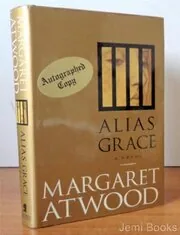
For readers who enjoy historical fiction built around uncertain testimony. Atwood makes the act of interpreting a woman’s story part of the suspense, though the shifting evidence resists the clear solution expected from a conventional mystery.
What it's about
Based on a real Canadian murder case, this novel follows Grace Marks, a young servant accused of killing her employer and his housekeeper. As a doctor interviews her, the story probes memory, class, and the slippery line between truth and performance.
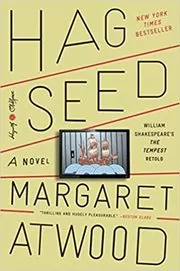
For readers who enjoy theatre and literary retellings with a contemporary setting. Atwood uses rehearsal and performance to examine revenge and release, though familiarity with The Tempest adds resonance that newcomers may miss.
What it's about
Felix, a theatre director pushed out of his job, plots a careful revenge by staging The Tempest inside a prison. As rehearsals blur art and life, the novel asks what it means to forgive, and what it means to let go.
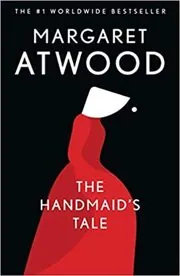
For readers who want a concentrated introduction to Atwood’s political imagination and narrative ambiguity. Offred’s restricted perspective gives the oppression an intimate scale, though the sexual coercion and deliberately incomplete information make this an unsettling beginning.
What it's about
In the theocratic Republic of Gilead, Offred is forced into servitude as a Handmaid, valued only for her fertility. Under constant surveillance, she clings to memories of her old life and tests the limits of quiet resistance.
Also recommended by
3 people Emma Watson recommended this book
Emma Watson
On the "books read" section of Emma Watson's GoodReads profile.
Emma Watson's recommendation of this book  Daniel Pink recommended this book
Daniel Pink
"I loved [this book]." - Daniel Pink
Daniel Pink's recommendation of this book  Jenn Im recommended this book
Jenn Im
"I'll like you five times more if you have read this book." - Jenn Im
Jenn Im's recommendation of this book
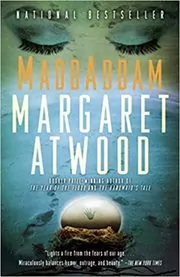
For readers ready to complete the trilogy after Oryx and Crake and The Year of the Flood. Atwood brings the surviving communities into closer relation, though the accumulated characters and backstory make this unsuitable as a starting point.
What it's about
After the plague, a small band of survivors and the bioengineered Crakers struggle to build a workable community. Old experiments still stalk the landscape, and every choice, about trust, science, and story, can reshape what comes next.
Also recommended by
1 person Anna Akana recommended this book
Anna Akana
Anna Akana recommended this book on Twitter.
Anna Akana's recommendation of this book
For readers returning to Gilead after The Handmaid’s Tale. Multiple voices expand the view of the regime and its mechanisms, though the more explicit plotting and explanations create a different experience from the first novel’s uncertainty.
What it's about
Set years after The Handmaid's Tale, this sequel uses multiple narrators, including Aunt Lydia and two young women shaped by Gilead in different ways. Secrets surface as cracks spread through the regime and its propaganda.
Also recommended by
1 person Jia Tolentino recommended this book
Jia Tolentino
"May surprise readers who wondered, when the sequel was announced, whether [the author] was making a mistake in returning to her earlier work." - Jia Tolentino
Jia Tolentino's recommendation of this book
For readers who want Atwood’s attention to relationships in shorter pieces. The collection makes room for wit, unease, and self-deception without a long novel’s commitment, though the separate stories provide less cumulative immersion.
What it's about
Stories about modern relationships, self-deception, and the gaps between how people act and what they mean. Atwood mixes realism with fairy-tale shadows, letting ordinary marriages and friendships turn unsettling.
Cat's Eye
For readers interested in the lasting effects of childhood friendship and cruelty. Atwood connects memory with an artist’s self-understanding, though the emotional intensity comes through reflection rather than a rapidly advancing plot.
What it's about
Artist Elaine Risley returns to Toronto for a retrospective and is flooded with memories of childhood. As she revisits a friendship that turned into cruelty, the novel traces how bullying, art, and identity echo across decades.
For readers who want Atwood’s satire directed at biotechnology and commercial power. The movement between a ruined world and remembered life builds unease, though it opens the MaddAddam trilogy and leaves a wider story to explore.
What it's about
After a engineered plague, Snowman lives among the ruins, caring for the gentle Crakers and haunted by the past. His memories of Crake and Oryx reveal how love, science, and greed helped end the world.
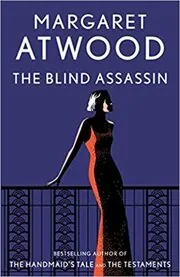
For readers who enjoy layered narratives and gradually revised family histories. Atwood makes the embedded story do substantial interpretive work, though the length and movement between different narrative levels require sustained attention.
What it's about
Iris Chase tells the story of her wealthy family and the sister she could never save, while a scandalous pulp novel unfolds inside her memoir. Layered narratives, love, and betrayal converge into a portrait of power and regret.
The Robber Bride
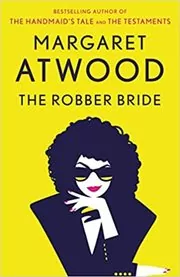
For readers who enjoy friendship stories complicated by rivalry and unreliable personal accounts. Atwood makes contrasting women’s perspectives central to the fascination, though the sprawling histories and heightened antagonist require tolerance for theatricality.
What it's about
Three women, each with her own history, are repeatedly haunted by Zenia, a brilliant, unreliable presence who steals men and reshapes narratives. This novel is a darkly funny study of friendship, rivalry, and the stories people need.
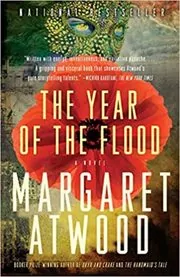
For readers continuing the MaddAddam world who want perspectives beyond Oryx and Crake. Atwood broadens the social and religious texture through different survivors, though the overlapping chronology and invented ecological community make prior familiarity helpful.
What it's about
In the same broken world as Oryx and Crake, Toby and Ren try to outlast a devastating pandemic. Linked to the eco-minded God's Gardeners, they navigate violence, scarcity, and the hard work of staying human as society collapses.
Bodily Harm
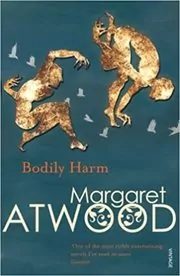
For readers who want personal vulnerability drawn into a political thriller. Atwood links the protagonist’s attempted escape with questions of responsibility, though the fragmented recollections and unrest make this more uneasy than a conventional holiday-gone-wrong story.
What it's about
Rennie, a journalist recovering from illness, travels to a Caribbean island hoping for distance and clarity. Instead she is pulled into local unrest and danger, forcing her to confront fear, complicity, and what courage costs.
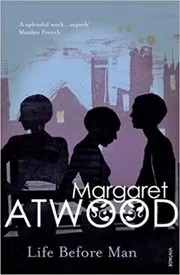
Life Before Man
For readers who prefer close examination of adult relationships to speculative worlds. Atwood lets competing perspectives unsettle easy judgments, though the emotionally distant characters and focus on dissatisfied lives may limit immediate sympathy.
What it's about
Set in Toronto, this novel follows three adults caught in shifting relationships, grief, and self-invention. Against a backdrop of museums and city routines, Atwood dissects how people narrate their lives to survive betrayal and loss.
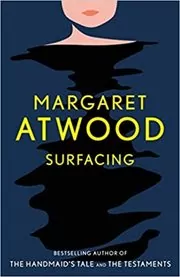
Surfacing
For readers who want a short, psychologically unsettled novel about memory and belonging. Atwood makes landscape and perception integral to the experience, though the fragmented inner life and ambiguity resist a tidy explanation.
What it's about
When her father disappears, a young woman returns to an isolated Quebec island with friends and a lover. The search pulls her into memory and hallucination, and the wilderness forces a brutal reckoning with identity and guilt.
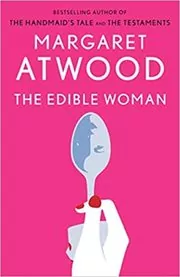
The Edible Woman
For readers curious about Atwood’s early satire of gender and consumer expectations. The bodily metaphor gives social pressures a distinctive shape, though the surreal elements and period setting differ from a straightforward realistic relationship novel.
What it's about
Marian MacAlpin seems to be doing everything right until her engagement sparks a strange revolt: she can no longer eat. As her body says no, the novel turns consumer culture and gender expectations into a dark, funny satire.

The Penelopiad
For readers who want a brief, irreverent retelling that questions whose account becomes the accepted story. Atwood gives Penelope and the maids competing space, though familiarity with the Odyssey enriches the allusions and the compressed form limits development.
What it's about
Penelope, long stuck as a footnote in the Odyssey, finally tells her version of the story. With a chorus of the hanged maids, this witty retelling questions heroism, marriage, and what gets erased when legends are made.
Sources









Edited by
Software engineer whose passion for tracking book recommendations from podcasts inspired the creation of MRB.
Lead investor at 3one4 Capital whose startup expertise and love for books helped shape MRB and its growth.
Comments
Did we miss something? Have feedback?
Help us improve this page by sharing your thoughts