
24 Best Cybersecurity Books
The best cybersecurity books, ranked by expert source recommendation counts, with notes to help readers choose technical guides, security design, and histories.
Our take
Cybersecurity books range from accessible accounts of investigations to demanding references on software, malware, and system design. Some explain why attacks happen, others help readers investigate suspicious behavior, and others examine how to make better design decisions. The most useful starting point depends on your technical background and whether you want context, practical study, or a broader engineering perspective.
For accessible history, The Cuckoo's Egg follows an investigation, while Sandworm examines destructive attacks and their wider consequences. The Code Book approaches security through the history of cryptography. Technical readers can turn to Hacking for a systems perspective or Practical Malware Analysis for a more specialized investigative path. Both require attention to the age of their examples and environments.
For designing systems, Threat Modeling offers a focused process, while Security Engineering connects technical controls with human and organizational factors. Start with a narrative if the field is unfamiliar, or choose the reference that matches the work you need to understand.
24 books · 13 sources · Last updated
As an Amazon Associate, we earn from qualifying purchases (at no extra cost to you).
How to choose from this list
Skip to the full rankingIf you're new to security investigations: The Cuckoo's Egg → Sandworm
If you want cryptography in historical context: The Code Book
If you want to study software weaknesses: Hacking
If you want to investigate malicious software: Practical Malware Analysis
If you want to design more secure systems: Threat Modeling → Security Engineering
If you want to examine human deception: Social Engineering
The 24 books, ranked
Ranked by how many expert sources name each book. Ties go to the book more people recommend.

For readers with some programming experience who want to connect security weaknesses with how software operates. Erickson’s detailed systems perspective rewards close study, though the older environment and technical prerequisites make it a demanding introduction for complete beginners.
What it's about
Jon Erickson introduces computer exploitation through the fundamentals of C programming and the behavior of software. Technical explanations and examples connect programming mistakes, memory, networks, and security weaknesses, showing how a detailed understanding of systems supports creative problem solving.

For analysts ready to examine suspicious software in detail rather than only read about attacks. Sikorski and Honig connect explanations with structured labs, though the older tools and Windows focus require technical foundations and attention to changed environments.
What it's about
Michael Sikorski and Andrew Honig explain how analysts investigate malicious software. Hands-on labs and detailed dissections of malware samples give readers practice examining programs, interpreting their behavior, and combining investigative techniques to understand what a suspicious file does.

For security professionals who want to understand the human interactions behind deception and access failures. Hadnagy brings behavioral techniques into focus, though the practitioner perspective gives less systematic coverage of organizational safeguards than a broader security design text.
What it's about
Christopher Hadnagy examines how attackers exploit human behavior to gain access to information and protected spaces. Past examples illustrate techniques for influencing people and bypassing technical defenses, with discussion aimed at helping security professionals recognize and address the human side of attacks.
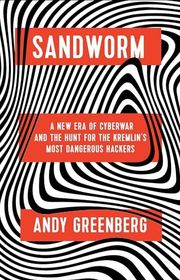
Sandworm
For readers who want investigative reporting on cyberattacks and their wider political consequences. Greenberg connects technical incidents with institutions and people, though the narrative follows a particular threat history rather than teaching a comprehensive set of defensive skills.
What it's about
Andy Greenberg investigates the Russian hacking group known as Sandworm and its role in destructive cyber operations. Reporting follows attacks on Ukrainian infrastructure and the global spread of NotPetya, connecting technical investigations with the growing stakes of cyberwarfare.
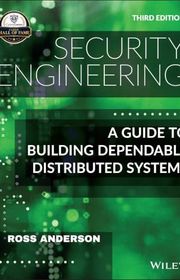
Security Engineering
For engineers who want to understand security as a property of whole systems, organizations, and incentives. Anderson connects technical mechanisms with wider design choices, though the breadth and substantial detail make it more demanding than an introductory overview.
What it's about
Ross Anderson examines the design of dependable systems through technical principles and real-world failures. Topics include authentication, access control, cryptography, hardware, economics, and organizational incentives, showing how security depends on interactions between technology, people, and institutions.
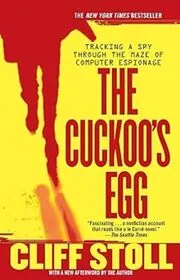
For readers who enjoy investigative nonfiction and want to understand the patient work behind incident response. Stoll makes close observation compelling, though its early-network setting provides enduring habits rather than modern tooling instructions.
What it's about
A small accounting discrepancy leads astronomer and systems manager Cliff Stoll to discover an intruder in his laboratory’s computers. His firsthand account follows the investigation through military networks, international espionage, and the pursuit of a hacker connected to the KGB.

For developers and security practitioners who want to consider threats while designing systems. Shostack provides a structured way to examine assumptions and prioritize problems, though applying the approach requires understanding the particular system and its working context.
What it's about
Adam Shostack explains how to identify and address security threats while designing software and systems. He compares modeling approaches and tools such as STRIDE and attack trees, then covers mitigation, validation, privacy, and incorporating threat modeling into organizational practice.

For readers who want an engaging personal route into hacker culture and social engineering. Mitnick's pursuit gives the memoir momentum, though it presents his perspective and should not be mistaken for a balanced history or current technical manual.
What it's about
Kevin Mitnick recounts his computer and telephone exploits, life under false identities, and attempts to evade the authorities. Written with William L. Simon, the memoir follows the escalating pursuit that ended his years as a fugitive hacker.
Also recommended by
1 person Thomas Frank recommended this book
Thomas Frank
"I love stuff at the intersection of crime and computers." - Thomas Frank
Thomas Frank's recommendation of this book

For readers who want a detailed account of investigating a consequential cyber operation. Zetter connects technical discovery with geopolitical stakes, though the specific historical case is not a general introduction to every type of modern attack.
What it's about
Kim Zetter traces the discovery and investigation of Stuxnet, the malware used to sabotage Iran’s nuclear program. Following researchers who unraveled its workings, she examines its origins, physical effects, and implications for infrastructure security and cyberwarfare.

The Art of Invisibility
The World's Most Famous Hacker Teaches You How to Be Safe in the Age of Big Brother and Big Data
For readers curious about the information trails left by everyday technology use. Mitnick makes privacy concerns concrete through stories and practical discussion, though changing services and devices mean older recommendations need checking before being relied on.
What it's about
Kevin Mitnick uses stories of surveillance and security failures to explain how everyday activity can expose personal information. His guide ranges from passwords and wireless networks to more advanced privacy techniques, examining the traces people leave online and in daily life.

For readers who want an accessible history of secrecy before approaching technical security texts. Singh connects mathematical ideas with the people and conflicts behind them, though the historical emphasis provides neither a current cryptography standard nor an implementation guide.
What it's about
Simon Singh tells the history of encryption and codebreaking through the people who developed and defeated secret messages. Mathematical explanations accompany stories of political intrigue, wartime intelligence, and the development of cryptography for electronic communication.
For readers who enjoy an investigation built from small anomalies, persistence, and careful observation. Stoll makes the human side of early network defense accessible, though the historical systems and institutions differ substantially from today’s security environments.
What it's about
A small accounting discrepancy leads astronomer and systems manager Cliff Stoll to discover an intruder in his laboratory’s computers. His firsthand account follows the investigation through military networks, international espionage, and the pursuit of a hacker connected to the KGB.
Also recommended by
1 person- Thomas Frank recommended this book
Thomas Frank
"One of my favorite books." - Thomas Frank
Thomas Frank's recommendation of this book

For readers curious about how hacker communities influenced professional security and public debate. Menn connects personalities with ethical and political questions, though the group history offers context rather than a step-by-step path into technical practice.
What it's about
Joseph Menn chronicles the Cult of the Dead Cow hacking group, tracing its unconventional members from the early internet into influential security roles. Their story explores ethical hacking, activism, privacy, and efforts to resist the misuse of technology.

For technically prepared readers studying a structured penetration-testing workflow. The framework examples connect concepts with practice, though the older commands and software behavior need current documentation and a controlled environment for authorized exercises.
What it's about
David Kennedy and his coauthors introduce the Metasploit Framework through a structured penetration testing methodology. The guide shows how simulated attacks can expose network vulnerabilities, combining explanations of the tools with practical examples for security professionals.

For readers who want to connect cybersecurity with physical safety, public policy, and accountability. Schneier makes the societal implications clear, though the argument is more useful for strategic perspective than detailed defensive implementation.
What it's about
Bruce Schneier examines how connected devices bring cybersecurity risks into the physical world, from vehicles to home systems. He argues for changes in technology design and government oversight, outlining policies intended to make an increasingly interconnected society more resilient.

For readers wanting a broad map of attack methods and corresponding defenses. The paired structure connects vulnerabilities with countermeasures, though this older edition's tools and platform details need substantial updating for current systems.
What it's about
Stuart McClure, Joel Scambray, and George Kurtz examine network attack methods and corresponding defenses. The seventh edition covers reconnaissance, Windows and UNIX systems, remote access, wireless and embedded devices, and web applications, with a map of countermeasures.

How to Measure Anything in Cybersecurity Risk
For security leaders who need to compare uncertain risks and explain decisions quantitatively. Hubbard and Seiersen offer a more analytical alternative to simple risk scores, though the methods require careful assumptions and comfort working with numbers.
What it's about
Douglas W. Hubbard and Richard Seiersen challenge common approaches to cybersecurity risk assessment and introduce quantitative alternatives. They explain measurement, calibrated estimates, and Bayesian methods for reducing uncertainty and informing security decisions across an organization.

For programmers who want a substantial introduction to modern cryptographic building blocks. Aumasson connects concepts with implementation concerns, though the technical material assumes some computing background and the linked edition should be checked against later revisions.
What it's about
Jean-Philippe Aumasson explains modern encryption through its mathematical foundations and practical operation. Topics include authenticated encryption, randomness, hash functions, block ciphers, RSA, and elliptic curves, with attention to security concepts and the ways systems can fail.

For readers who want cyber operations explained as part of international competition. Buchanan connects attacks with political objectives and strategic constraints, though the geopolitical perspective offers less technical depth than an investigation focused on one operation.
What it's about
Ben Buchanan examines how governments use cyber operations for espionage, sabotage, theft, and political interference. Interviews, declassified material, and investigations inform his account of attacks and counterattacks that have reshaped geopolitical competition and national security.

For readers considering a penetration-testing career who need a map of prerequisite skills and professional development. Wylie and Crawley organize the route clearly, though certification options, hiring expectations, and training resources need checking against current conditions.
What it's about
Phillip Wylie and Kim Crawley outline a path into penetration testing, from prerequisite computing skills to training, certifications, and employment. They discuss assessing existing knowledge, practicing in labs and competitions, gaining experience, and building professional connections.

Cybersecurity Essentials
For beginners who want a structured textbook with scenarios and review questions. The coverage provides a broad starting vocabulary, though the older edition needs current material alongside it and should not be assumed to match today's certification objectives.
What it's about
This introductory cybersecurity text covers protecting infrastructure, devices, local networks, and network perimeters. Realistic scenarios, review questions, and practical exercises explain vulnerabilities and defenses while providing foundations for readers beginning security study or preparing for entry-level certifications.

The CERT Guide to Insider Threats
How to Prevent, Detect, and Respond to Information Technology Crimes
For security managers dealing with risks involving trusted employees or contractors. The case-based approach connects organizational behavior with technical controls, though the older examples and policy guidance require adaptation to current workplaces and legal obligations.
What it's about
Drawing on CERT’s analysis of insider cybercrime, the authors examine sabotage, intellectual property theft, and fraud by trusted individuals. Case profiles identify motivations, warning signs, and organizational weaknesses, followed by technical and management measures for prevention, detection, and response.

The Cyber Effect
For readers interested in behavior, development, and social questions around online life. Aiken provides a wider psychological perspective than technical security manuals, though the case-driven discussion should not be treated as a complete account of everyone’s digital experience.
What it's about
Mary Aiken explores how online environments influence behavior, relationships, and social norms. Drawing on cyberpsychology research and case studies, she examines children’s development, compulsive internet use, privacy, and safety, raising questions about the effects of digital life.

For business readers who want security failures explained through recognizable organizational cases. Arthur makes consequences and management choices central, though the selected incidents provide historical lessons rather than a comprehensive account of today's threat environment.
What it's about
Charles Arthur investigates major cyberattacks involving organizations such as Sony, TalkTalk, and TK Maxx, alongside phishing and internet-connected device attacks. He explains how breaches unfolded, their consequences, and the security failures from which businesses can learn.
Sources
- 1
Top 25+ Cyber Security Books to read in 2026
mygreatlearning.com
- 2
Top 11 Cyber Security Books You Should Read In 2026
softwaretestinghelp.com
- 3
Cybersecurity Books: Stay Safe With Our Best Picks | CyberGhost
cyberghostvpn.com
- 4
Best Cybersecurity Books
jobroadmaps.com
- 5
Cybersecurity Books
goodreads.com
- 6
23 Best Cybersecurity Books to Read in 2026 — Curated Reading List
cybershelf.org
- 7
Cybersecurity Reading List: Best Books & Resources
cybersecurityguide.org
- 8
The 25 Best Cyber Security Books — Recommendations from the Experts
thesslstore.com
- 9
15 Best Cyber Security Books for Beginners and Pros (2026)
cyberdefence.org.in
- 10
5 Best Cybersecurity Books for Beginners | HackerNoon
hackernoon.com
- 11
Best Kali Linux and Pentesting Books for 2026 | ComputingForGeeks
computingforgeeks.com
- 12
Cybersecurity books that actually changed how you think about security? : r/cybersecurity
reddit.com
- 13
The best books for studying cyber security
bcs.org



Edited by
Software engineer whose passion for tracking book recommendations from podcasts inspired the creation of MRB.
Lead investor at 3one4 Capital whose startup expertise and love for books helped shape MRB and its growth.
Comments
Spotted a missing book, a wrong order or a mistake? Tell us and we'll fix this page.
We're a reading guide, not the author or publisher, so we can't send books or pass on messages.